Skip to content
Residential and Commercial Chain-Link Fencing in Kansas City

Residential and Commercial Chain-Link Fencing in Kansas City

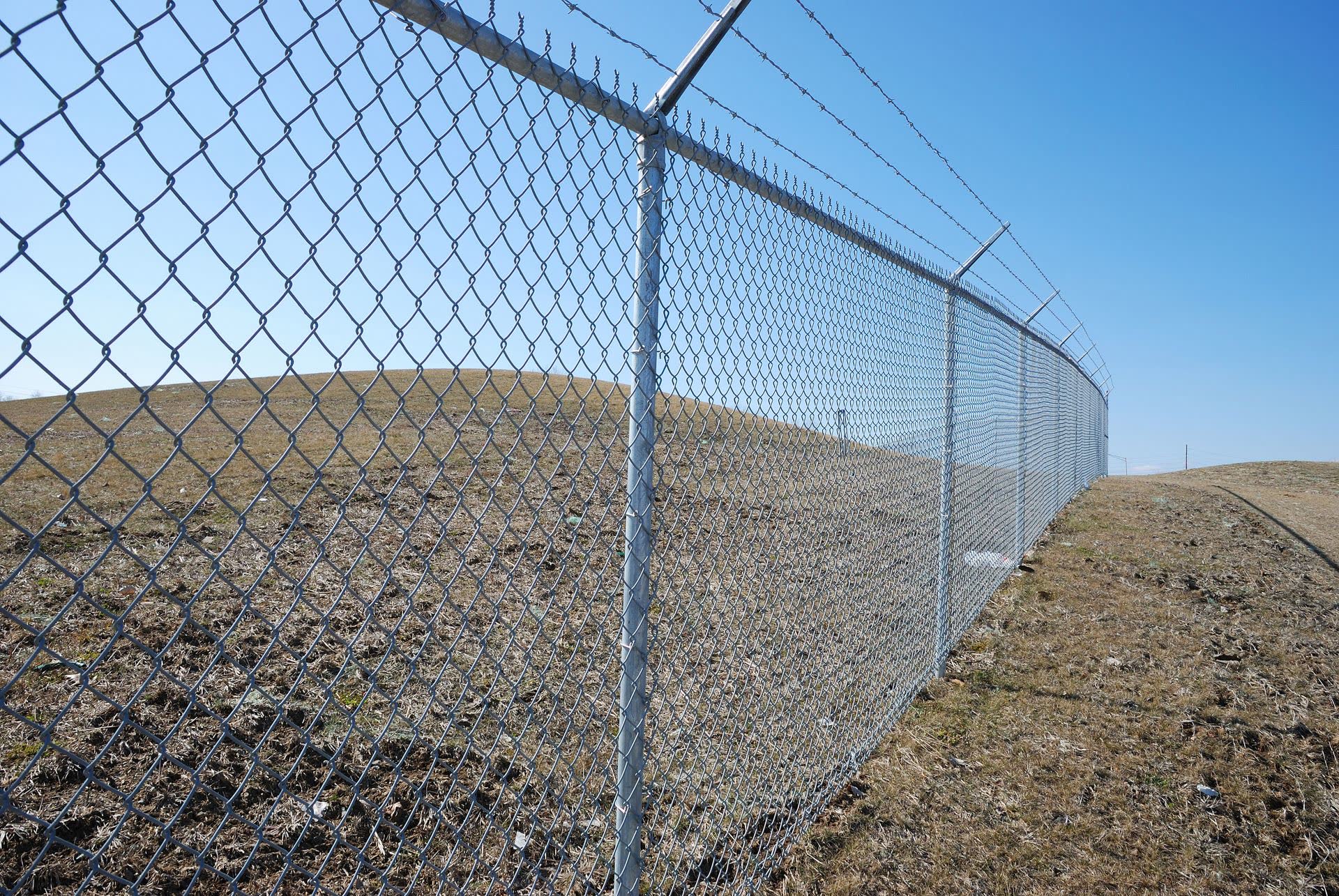
Chain link is the cheapest durable fence you can put on a property, and it fails or lasts on how it is built, not what it is made of. RKC installs galvanized framework and black vinyl-coated mesh, in the right gauge for a dog run, a security perimeter, or a commercial line — 9-gauge residential, 6-gauge commercial — with terminal post bracing and a truss rod at every corner, and every post sunk a full yard into concrete so the fabric holds its tension for decades.

★★★★★
4.9
from 85 reviews
Licensed
& Insured · KS + MO
400+
fences installed
A+ BBB Rated Every Terminal Trussed Residential + Commercial Free On-Site Estimates
Browse chain-link options in our catalog ↓

The short answer

Chain link is the affordable, durable fence for dogs, security, and big yards — and two choices decide whether it is right: the gauge and the colour. Nine-gauge for a dog or a security run, 11.5 for a light boundary; galvanized where looks do not matter, black vinyl-coated where they do. Built with braced terminals and posts 36 inches deep, it stays tight for decades in the KC clay.

RKC installs and repairs every type of fence — wood, vinyl, chain link, ornamental iron, aluminum, and commercial security — plus in-house staining. Commercial perimeters run on commercial fencing, and slack fabric or a leaning post is a repair, not a rebuild.

The part that decides it

The Chain-Link Gauge Guide — Wire Thickness, Coating, and What It Means for Your Yard

Chain link is quoted as one product and is really several — the gauge, the coating, the height, and the terminal spec all move with what the fence is for. Here is the whole decision translated from the question you ask into the trade detail and the reason behind it.

What you askIn plain EnglishThe build detailWhy it matters
What gauge do I need?How thick the wire is — lower number, thicker wire11.5-gauge for light residential; 9-gauge is the durable residential standard; 6-gauge is commercialA dog that leans and jumps, or a security run, wants 9-gauge; 11.5 is fine for a light boundary and costs less
Galvanized or black?Bare silver steel vs. a black vinyl coating over itGalvanized is the raw workhorse; black vinyl-coated adds a colour layer and a second corrosion barrierBlack recedes against a treeline or garden and lasts a touch longer; galvanized is cheaper and purely utilitarian
How tall for my dog?Tall enough it can’t jump it4 ft contains most dogs; 5–6 ft for a jumper, with bottom tension wire against diggingMost escapes are under the fence, not over — the bottom wire matters as much as the height for a determined dog
What holds the mesh tight?The terminals and the tension partsBraced terminal posts, a truss rod with turnbuckle, top rail, and bottom tension wireFabric under constant tension pulls the corners inward — the terminal bracing is what keeps a run tight in year fifteen
How long will it last?Decades, if it’s built rightGalvanized ~15–20 years, black vinyl-coated ~20–25, on posts set to depthChain link fails at slack terminals and shallow posts long before the mesh wears out — both are within the installer’s control

The specification that carries every row is the terminals. Fabric under tension pulls corner and end posts inward relentlessly, and a run without a proper brace rail and truss rod goes slack no matter how good the mesh was. If the property is a business rather than a house, the whole spec changes — see commercial fencing.

The look-and-life choice

Galvanized or Black Vinyl-Coated?

Same fence, two finishes — one is cheaper and utilitarian, the other recedes visually and lasts a little longer. Where the fence sits usually settles it.

Galvanized — the raw workhorse

Bare zinc-coated steel, the cheapest chain link and the most common on utility and commercial runs. It does its job for 15–20 years and asks nothing. Where the fence is purely functional and appearance is not a factor, this is the honest pick.

Black vinyl-coated — the one that disappears

A black polymer coating over the galvanized wire. The eye reads through black mesh to the yard beyond rather than stopping at the fence, so it recedes against a treeline or garden. The coating is also a second corrosion barrier, adding a few years — roughly 20–25 total.

Where black is worth it

Any run you actually look at — a back yard against green space, a front boundary, a home where the fence is part of the view. The small premium buys a fence that reads as intentional rather than industrial.

Where galvanized wins

A dog run behind the garage, a storage-yard perimeter, a ball field, a temporary line — anywhere the job is containment or security and nobody is judging it from the patio. Spend the difference on gauge or height instead.

The number-one reason people call

Fencing the Yard for the Dog

Chain link is one of the best dog fences there is — durable, see-through, and cheap enough to enclose a whole lot. Getting it right for a dog is about the bottom as much as the top.

1

Height to the dog, not the average

Four feet contains most dogs; five to six for a jumper who has worked out it can clear a low line. It is worth being honest at the estimate about what your dog actually does — the cost difference is small, the outcome is total.

2

Stop the digging, not just the jumping

Most escapes happen under the fence, not over it. A bottom tension wire helps; a buried mesh apron turned outward along the base stops a determined digger properly. We spec it where the dog is a digger and skip it where it is not.

3

The right mesh aperture

Standard diamond mesh holds a medium dog comfortably. A small dog or a puppy needs a tighter aperture at the base — cheaper to specify at install than to retrofit with a second run of smaller mesh later.

4

A gate that survives the dog

The gate takes the most use and the most abuse. Welded frame, a latch the dog can't nose open, and a hinge post set deeper than the line — the gate is where a dog fence fails first if it is built light.

Beyond the back yard

Where Chain Link Earns Its Keep — Commercial and Security Runs

Chain link is the default for a reason wherever a boundary has to be tough, tall, and affordable over a long perimeter. This is the material's home turf, and the spec steps up hard from a residential dog run.

Heavier fabric, taller runs

Six-gauge commercial mesh, taller than a residential line, on heavier framework with wider post spacing tolerance. A storage yard, a contractor lot, or a utility site is a different product entirely from the fabric on a back yard — thicker wire, deeper footings, and a top rail that carries real load.

Anti-climb and top treatments

Where a perimeter is genuinely tested, a tighter mesh aperture removes the foot-holds that make standard diamond fabric climbable, and top treatments raise the effort to get over it. We spec these to the actual security concern rather than by default. For a full secured perimeter, see commercial fencing.

Vehicle and cantilever gates

A commercial chain-link run usually needs a gate a truck drives through — a double-swing or a cantilever slide sized to the opening and the vehicle, not a walk gate scaled up. The gate throat is the spec most often under-sized and the one that cannot be fixed after the posts are set.

Documentation with the proposal

Commercial work travels with a certificate of insurance, a W-9, and a written scope — delivered with the bid, not chased after the award. Ball fields, school perimeters, and equipment yards all run on that paperwork, and we hand it over up front.

Chain-link catalog

Chain-Link Options We Install in the KC Metro

Galvanized and black vinyl-coated, residential and commercial gauge — every post set to 36 inches. Use the catalog to weigh heights, coatings, and specs before you commit.

Select a style above to see colors and details

See the full catalog — every material and style →

Recent chain-link installs

Chain-Link Fences We’ve Built Across the KC Metro

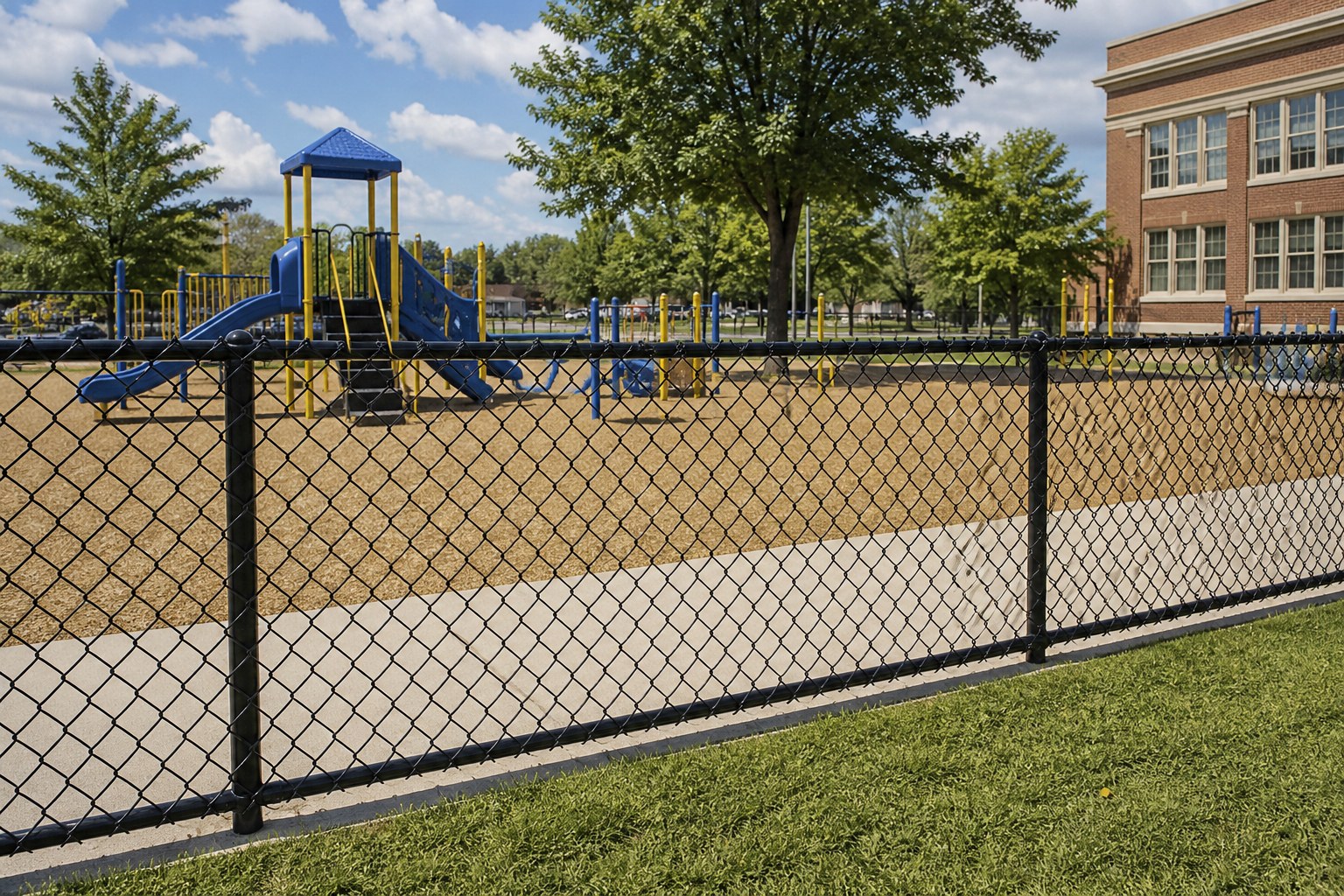
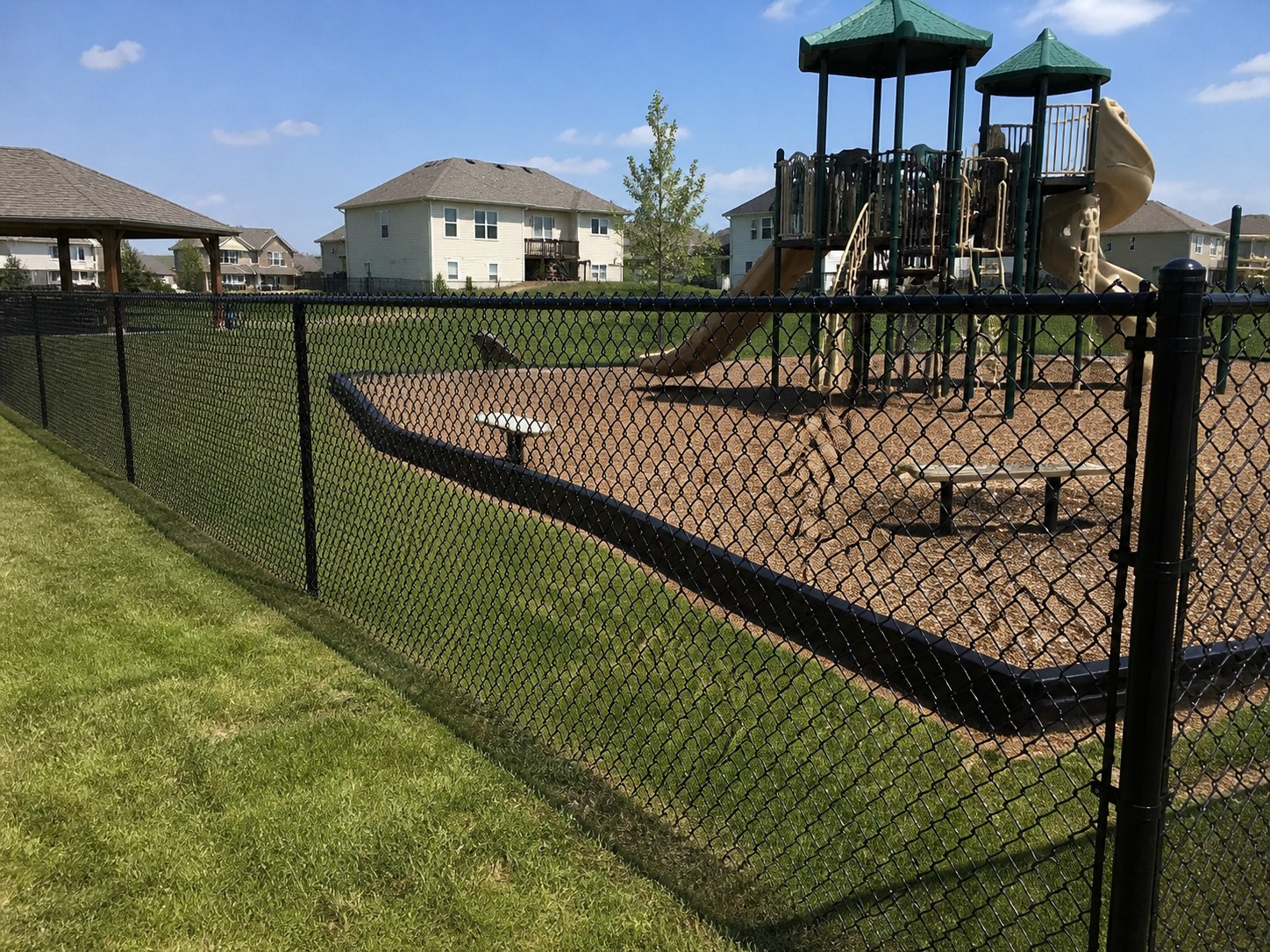
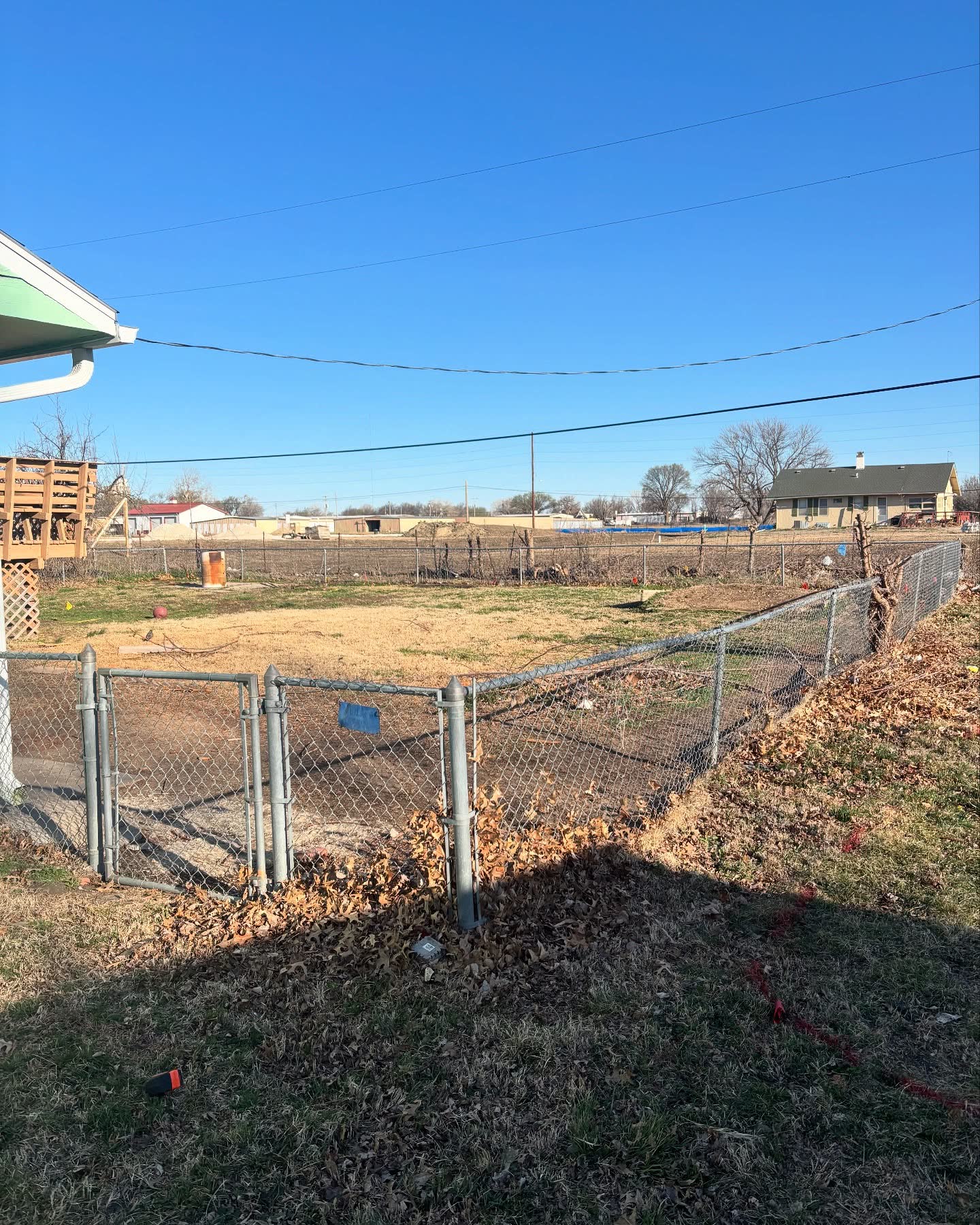
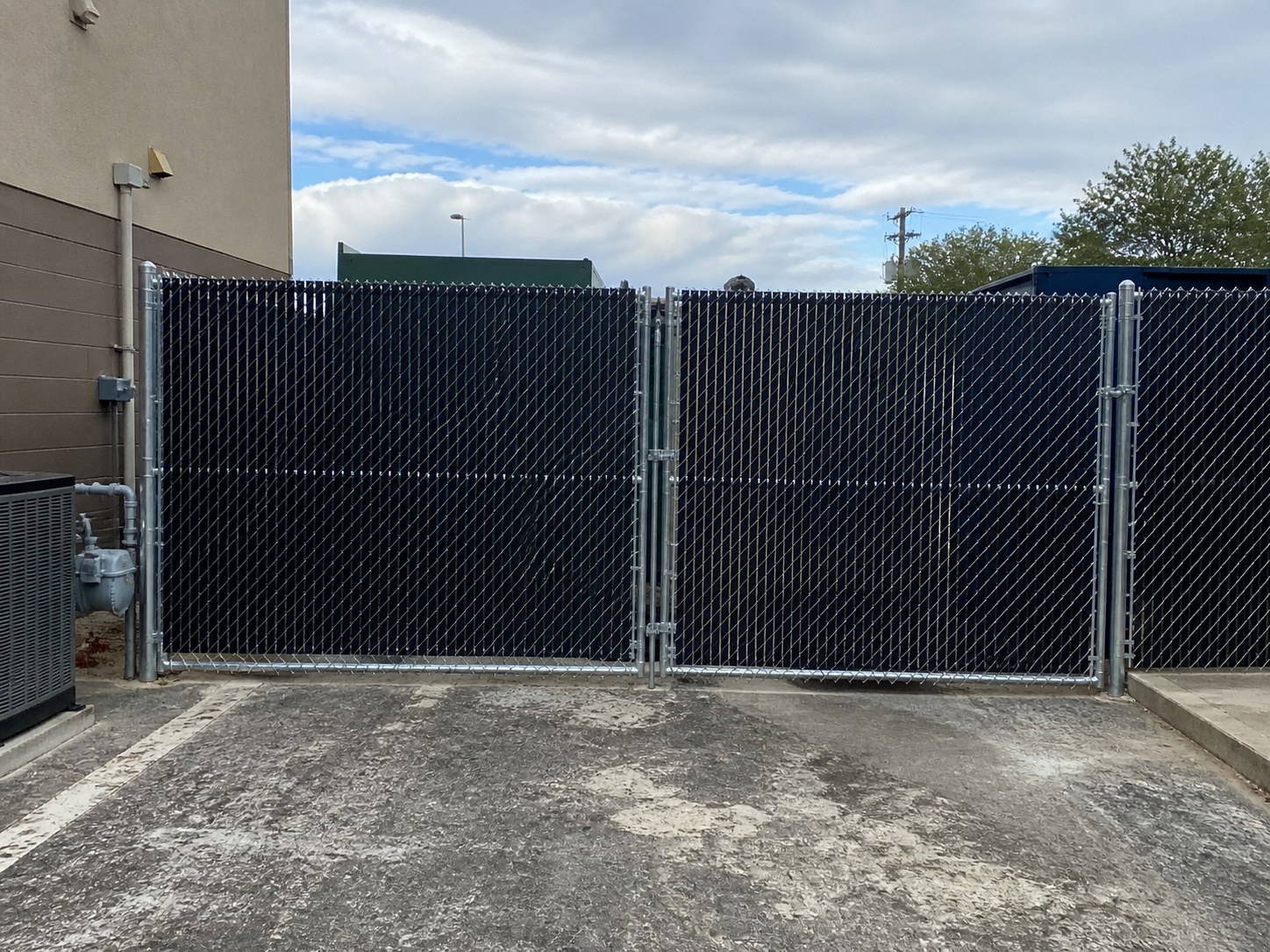
Every shot is an actual RKC chain-link fence. Black residential, galvanized commercial, and dog-run installs across the metro.

REVIEWS

What Kansas City Homeowners Say About RKC

4.9 ★ · 85 Google reviews

Every review is on our Google Business Profile — read them there, unedited.

Read all 85 reviews on Google

Kansas City chain-link questions

What KC Homeowners Ask About Chain-Link Fences

What comes up most on a chain-link estimate here. Don’t see yours? Get Josh on the line at (913) 286-1091.

How much does chain link fence cost per foot installed?
Galvanized chain link runs about $10–$18 a foot installed around the metro — the cheapest durable fence you can put on a property. Black vinyl-coated runs a few dollars more per foot for the colour and the extra corrosion layer. Commercial-grade 6-gauge and taller runs price above that. A big yard is where chain link earns its place: it is often the difference between fencing the whole property and running out of budget halfway. Free estimate, itemized to the part.
Can you add privacy slats to a chain link fence?
Yes — vinyl or aluminum slats weave vertically through the mesh and add partial screening plus a little wind load. They are a genuine improvement for a dog run you would rather not look through, but they do not turn chain link into a privacy fence: you get roughly 75–90% screening depending on the slat, they fade at a different rate than the coating, and they can work loose over time. If real privacy is the goal, a privacy fence is the better spend.
Is chain link fence good for dogs?
It is one of the best dog fences there is — durable, see-through so you can watch the yard, and affordable enough to enclose a big lot. Two details make or break it for a dog: height and the bottom. Four feet contains most dogs, five to six for a jumper. And because most escapes happen under the fence rather than over it, a bottom tension wire — or a buried mesh apron for a determined digger — matters as much as the height. We spec both to the dog.
Black or galvanized chain link — which should I pick?
Galvanized is bare silver steel: the cheapest, purely utilitarian option, right where appearance is not a factor. Black vinyl-coated adds a colour layer that recedes visually — the eye reads through it to the yard rather than stopping at the fence — and the coating is a second corrosion barrier that adds a few years of life. Against a treeline, a garden, or a home you care how it looks, black is worth the small premium. On a utility or commercial run, galvanized is the honest pick.
How long does chain link fence last in KC?
Galvanized chain link lasts about 15–20 years in Kansas City, and black vinyl-coated about 20–25, when it is set on posts to proper depth with braced terminals. Chain link almost never fails because the mesh wore out — it fails because the terminal posts were not trussed and the fabric pulled them inward, or because the posts were set too shallow and heaved. Both of those are the installer's call, which is why how it is built matters more than the material.
Can chain link be installed on a sloped lot?
Yes, and chain link handles a slope better than almost any other fence. The flexible mesh follows the ground continuously, so across a mild slope the fabric just follows the ground, no gaps and nothing to step. On a steeper fall we may step the top rail while keeping the fabric to the ground. It is one reason chain link is common on the larger, uneven lots across the metro — the material does not fight the terrain.
How deep do chain link fence posts need to be in Kansas City?
Thirty-six inches in poured concrete, the same standard as any fence here. Chain link posts are light, which tempts a shallower hole — but a shallow terminal post under constant fabric tension leans before anything else on the fence does, and the KC frost line runs 30–36 inches, so anything shallower heaves. We sink every post — corners, ends, and gates especially — a full 36 inches with a real footing. Mesh is only as straight as what holds it.
Do you repair chain link fence in Kansas City?
Yes. Re-tensioning slack fabric, replacing a bent or leaning terminal post, swapping damaged mesh, and re-hanging a gate are all common chain-link repairs — and often far cheaper than a replacement if the framework is sound. When the whole run is rusted through or leaning badly, converting it to wood or vinyl is worth pricing against the repair. See fence repair for how we assess it.

For a business perimeter, see commercial fencing; to re-tension or re-post an existing run, see fence repair.

Ready when you are

Get a free estimate — we usually respond the same day.

Call (913) 286-1091