Skip to content
Fence Installation in Olathe, KS — Where Cedar Creek’s Generation of Cedar Is Hitting End-of-Life, Rebuilt 36 Inches Deep in JoCo Clay

Fence Installation in Olathe, KS — Where Cedar Creek’s Generation of Cedar Is Hitting End-of-Life, Rebuilt 36 Inches Deep in JoCo Clay

Olathe is our home base, and it is cedar country — the 1990s and 2000s subdivisions that made it are all hitting fence-replacement age together, while the new builds west of K-7 need a first fence. RKC handles both: board-on-board and shadowbox cedar, every post augered a full 36 inches into the dense JoCo clay and kickboarded against the ground-line rot that ends most Olathe fences. 4.9★ from 85 Google reviews.

★★★★★
4.9
from 85 reviews
Licensed
& Insured · KS + MO
400+
fences installed
A+ BBB Rated Our Home Base Licensed KS + MO Owner Walks Every Install
See every style we install ↓

The short answer

Olathe is our home base, and its fence market is two things at once. The cedar that went up across Cedar Creek and the other 1990s–2000s subdivisions is reaching end-of-life all together, while the new builds pushing west toward K-7 need their first fence. Both go up in cedar, set 36 inches deep in the dense clay and finished side-out so the run looks right from both yards.

RKC installs and repairs every type of fence — wood, vinyl, chain link, ornamental iron, aluminum, and commercial security — plus custom gates and in-house staining. This is the Olathe hub. For how we work the rest of the region, see our Kansas City fence contractor overview.

The replacement wave

Why Olathe’s 1990–2010 Cedar Is All Reaching the End of Its Life at Once

Olathe grew explosively between 1990 and 2010, and it fenced itself in cedar as it went. A well-built cedar fence lasts 15–25 years, so that entire generation of fences is now hitting replacement age in the same handful of seasons — which is why cedar tear-out-and-rebuild is the most common job we run in this city.

A generation of fences, one timeline

When a whole subdivision goes up in three or four years, its fences age on the same clock. Twenty years later they fail on the same clock too, which is why a Cedar Creek street can go from “fine” to “everyone’s replacing” in a couple of seasons.
Re-skin, if the posts allow it

If the original posts were set deep and are still sound, we can pull the old boards and rebuild on the existing frame — meaningfully cheaper than a full replacement. Whether that is possible comes down to what the posts look like at the ground line.

The clay decides

Poor drainage in the heavy Olathe clay rots posts at the ground line, and that is what usually forces a full replacement rather than a re-skin. We probe every post before quoting so the decision is based on what is actually there.

New builds, first fences

The other half of Olathe is the western expansion, where new construction needs an initial fence for pets and kids. Those lots are larger and often sloped, so the run gets racked or stepped down the grade rather than forced flat.

Clay and wind

What Dense Olathe Clay and the Wind Off the Plains Do to a Fence

Two local forces shorten more Olathe fences than anything else: the clay under them and the wind across them. The heavy clay holds water against a post base and rots it from below; the Olathe Wind coming off the open plains loads a long privacy run and drops the gates first. Both are beaten the same way — depth and the right hardware.

1

36 inches, augered through the clay

Dense clay makes hand-digging brutal, which tempts a shallower hole. We auger to the full 36 inches — below the 30-to-36-inch frost line — every time, with a bell-bottom footing and drainage gravel so water is not sitting against the post.

2

Post rot solved at the base

Ground-line rot in poorly draining clay is the number-one reason an Olathe post fails. A kickboard, proper drainage at the footing, and a full-depth set keep water off the wood that matters. It is why our replacements outlast the fences they replace.

3

Gates built for the Olathe Wind

A long run is a sail, and the gate is where the load concentrates. Welded steel frames, a diagonal cross-brace on every swing, and hinge posts set deeper than the line posts — that is what stops the sag that plagues long Stonebridge and Cedar Creek runs.

4

Stain against the graying

Olathe’s quality-conscious market wants cedar that stays looking new. We put the first coat on at 30 days and log the 2–3 year re-coat — toned warm or weathered gray, your call, and done by the same crew that built the fence.

The replacement map

Where Olathe’s Cedar Sits on the Clock, and the Build Call It Points To

Olathe fences by generation, so the replacement question follows the build era of the subdivision. Here is where the cedar stands across the neighborhoods we work most — and the specific build call each one tends to lead to.

AreaBuild eraWhere the cedar standsThe build call
Cedar Creek1990s–2000s master-plannedOriginal cedar at or past the 15-to-25-year markFull tear-out and rebuild — or a re-skin on the frame where the posts still probe sound
Blackbob Park1990s buildoutFirst-generation cedar deep into the replacement waveProbe every post: re-skin the sound runs, replace the ground-line rot
HavencroftOlder establishedSecond-generation cedar replacements already routineStraight replacement, new posts set deeper than the originals and kickboarded
Stonebridge Park2000sMid-life cedar on long runs catching the Olathe WindRe-hang the sagging gates on welded frames, hinge posts sunk past the line
Persimmon Hill & Nottingham St. AndrewsEstablished JoCoShadowbox stock kept ahead of the grayingStain-and-maintain cycle with spot board swaps — not a full rebuild yet
SW quadrant toward K-7 / 175thActive new constructionBare third-acre lots, no fence up yetFirst install for pets and kids, racked or stepped down the slope

Whatever the era, the rebuild goes in at 36 inches with a kickboarded, drainage-gravel footing, because that is what the clay demands. The re-stain lives on our calendar via in-house staining, and the material choices open up on the Olathe cedar page.

Olathe neighborhoods

From the Cedar Creek Replacements to the K-7 New Builds

Olathe runs from 1970s split-levels near the center to brand-new two-stories on the western edge, and the fence job changes with the era. Below are the pockets we work most. Yours may not be listed and that is fine; these are simply the ones with quirks worth naming early.

Cedar Creek

The master-planned flagship, and its 1990s–2000s cedar is reaching replacement age street by street. We probe the old posts first, then re-skin the frames that are still sound and tear out the ones the clay has rotted at the base.

Stonebridge Park

Mid-life cedar on long backyard runs that catch the Olathe Wind coming off the plains. Gate sag is the top call here; we re-hang on welded frames with hinge posts set deeper than the line posts.

Havencroft

Older established Olathe where second-generation cedar replacements are routine. The lots drain slowly, so we sink the new posts deeper and kickboard the base to keep standing water off the wood that matters.

Persimmon Hill

Quality-conscious established JoCo stock where shadowbox with top caps is the expectation. Pre-stained cedar keeps a run ahead of the graying that the dense-clay drainage accelerates.

Western expansion (K-7 corridor)

New construction on sloped 3,000-plus-square-foot lots pushing toward 175th Street. First fences for pets and kids, racked or stepped down the grade rather than forced flat.

Landmarks near our regular Olathe routes: Ernie Miller Park & Nature Center, the Olathe Community Center, Garmin Headquarters, the Kansas City Automotive Museum, and Lake Olathe Park. Roads we cross daily: I-35, K-10, K-7, 119th Street, and Santa Fe Street. Commercial work clusters around the Great Mall redevelopment area, the New Century AirCenter, and the self-storage corridor along I-35.

What we install in Olathe

What We Build Across Olathe

From cedar privacy to ornamental iron, a single owner-operated crew handles the build and the finish. Each link opens a dedicated Olathe page with pricing and neighborhood context. Repair, staining, and gates are handled in-house too.

Wood Fence Installation in Olathe, KS by RKC Wood Care Pros

Wood Fence Installation

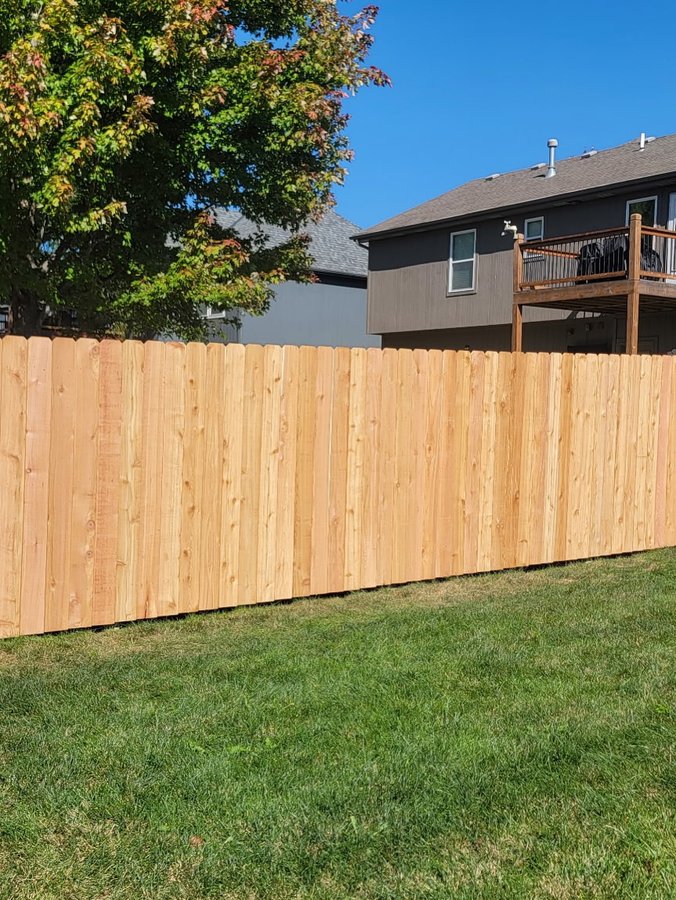
Western Red Cedar is the gold standard for the JoCo look, and Olathe is cedar country. Board-on-board and shadowbox, milled and set to outlast the twenty-year fences it replaces.

Olathe details
Ornamental Iron Fencing in Olathe, KS by RKC Wood Care Pros

Ornamental Iron Fencing

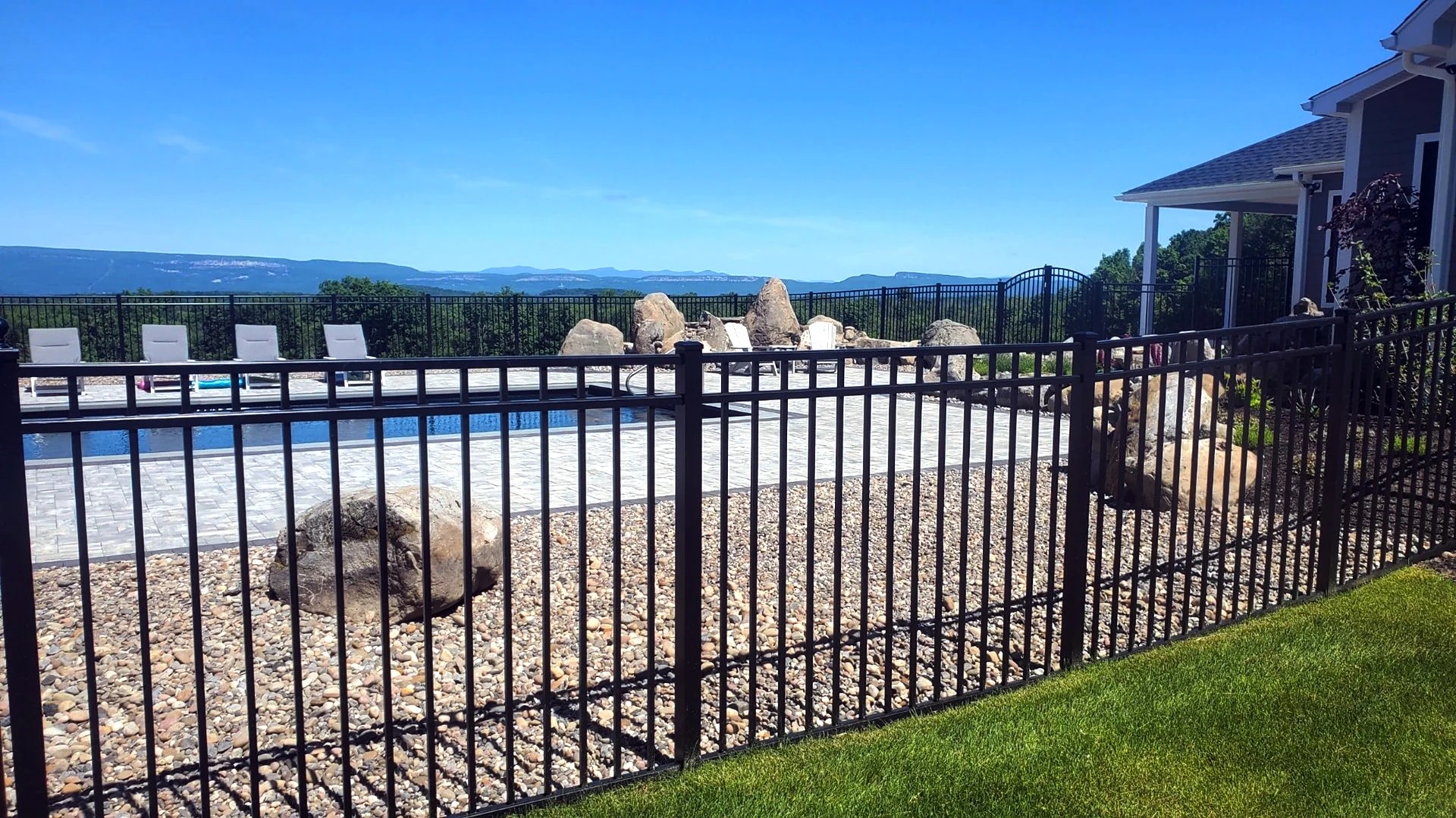
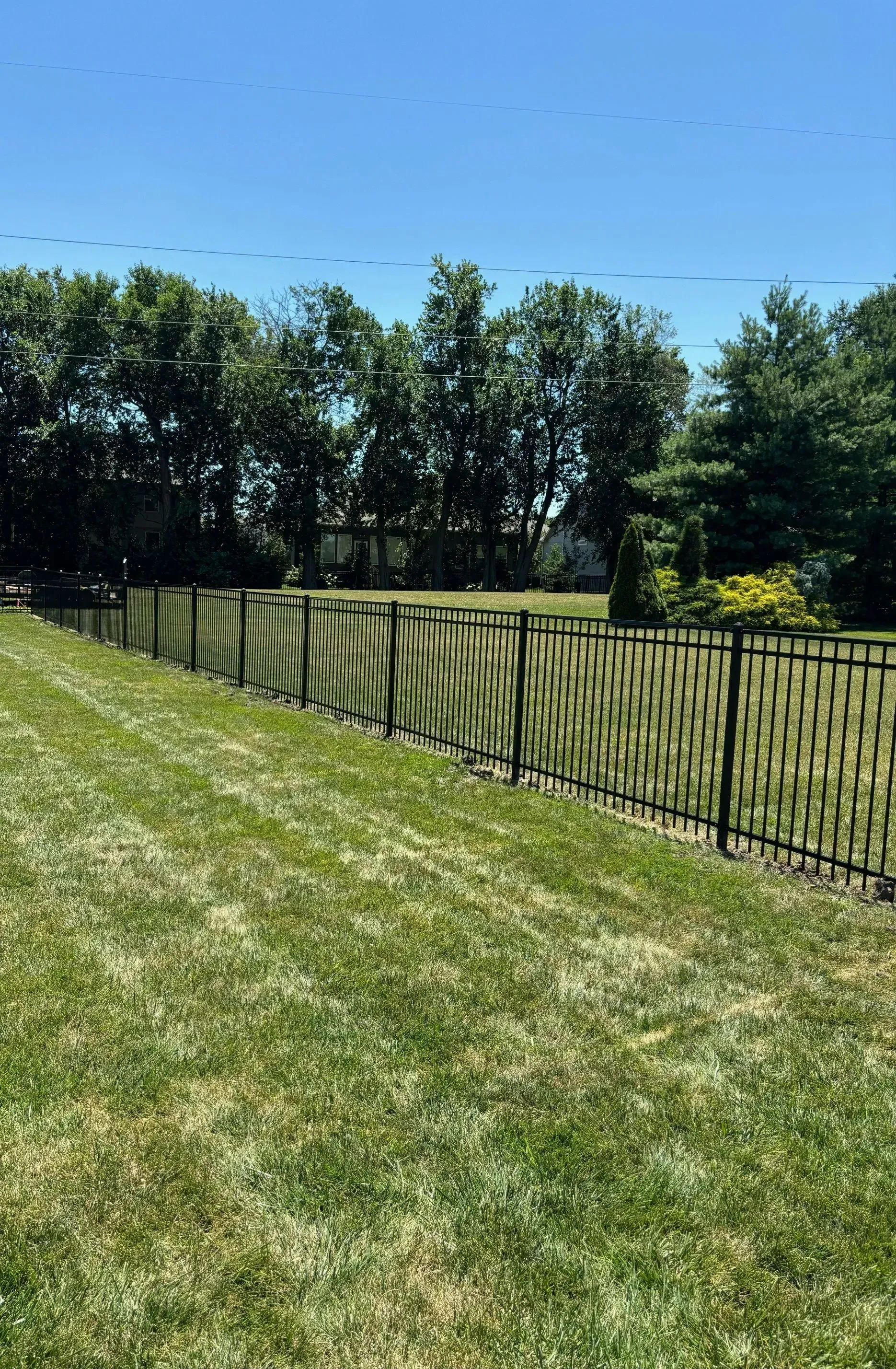
The surge material for homes backing onto Olathe’s many ponds and common areas — black steel that keeps the water view open. E-coat under powder coat, fabricated to the run.

Olathe details
Privacy Fence Installation in Olathe, KS by RKC Wood Care Pros

Privacy Fence Installation

Six-foot cedar privacy is the Olathe skyline. Board-on-board and shadowbox, built finished-side-out so the run looks right from both yards.

Olathe details
Aluminum Fencing in Olathe, KS by RKC Wood Care Pros

Aluminum Fencing

Grade-following powder-coated aluminum for pool runs and pond-backing lots on the sloped western expansion — the iron look, lighter and rust-proof.

Olathe details
Vinyl Fence Installation in Olathe, KS by RKC Wood Care Pros

Vinyl Fence Installation

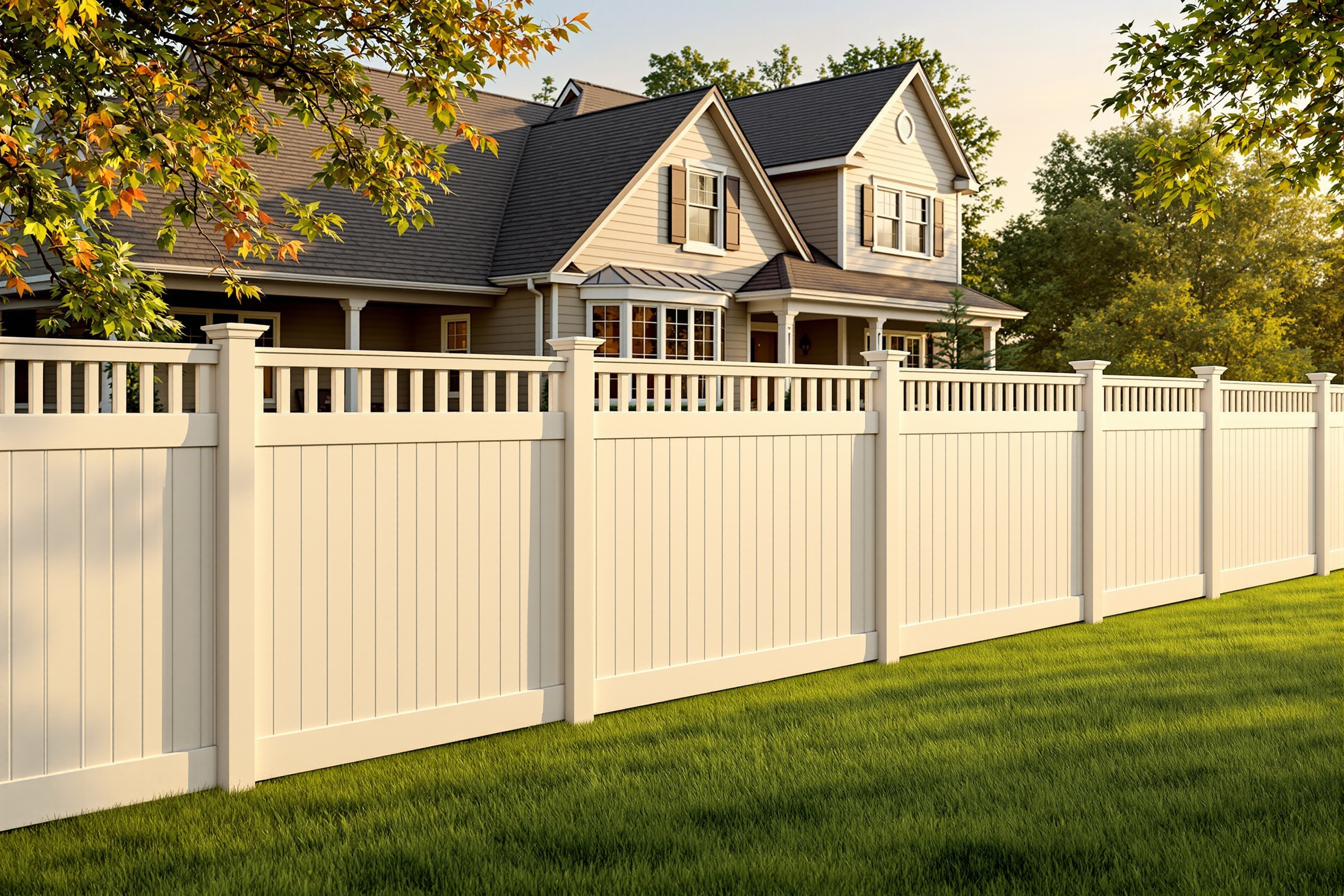
Seen in the newer northern Olathe developments — co-extruded panel, aluminum-insert rails, no stain schedule. The low-maintenance alternative to cedar.

Olathe details
Chain Link Fencing in Olathe, KS by RKC Wood Care Pros

Chain Link Fencing

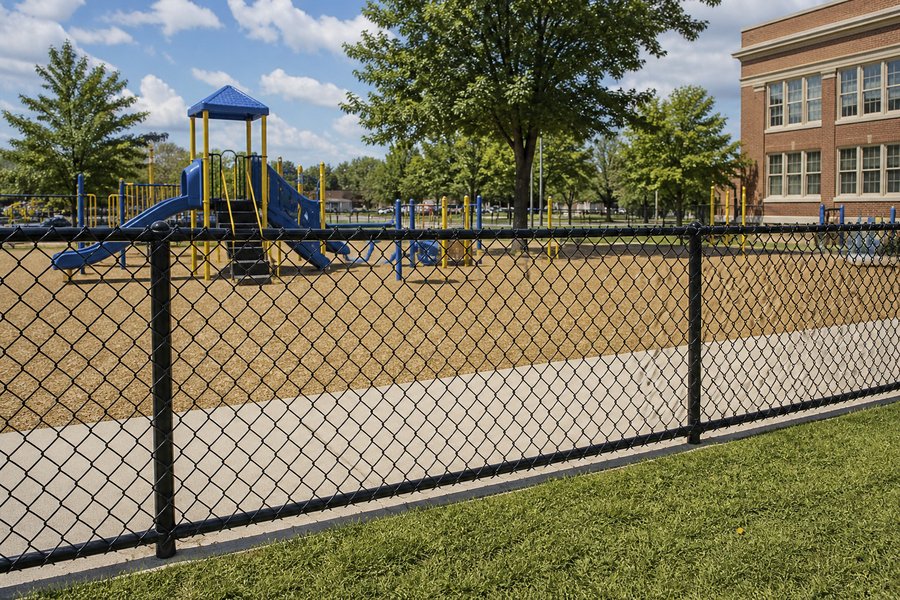
For yards, kennels, and commercial runs where a see-through working fence is what the job needs — 9-gauge for homes, 6-gauge for commercial, and a truss rod at every terminal.

Olathe details
Commercial Fencing in Olathe, KS by RKC Wood Care Pros

Commercial Fencing

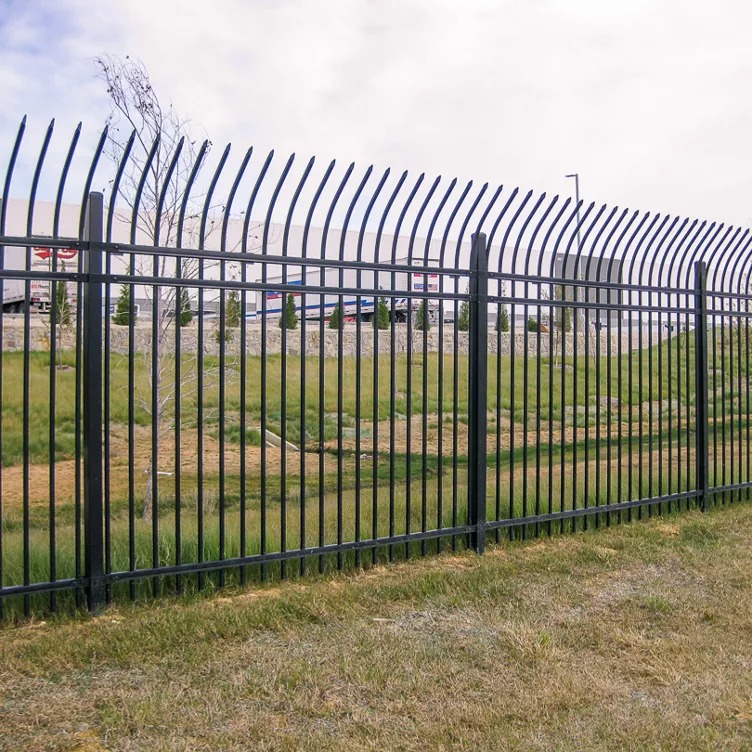
Perimeter and security for the Great Mall redevelopment area, the New Century AirCenter, and the self-storage corridor along I-35. The COI and W-9 go out with the proposal.

Olathe details
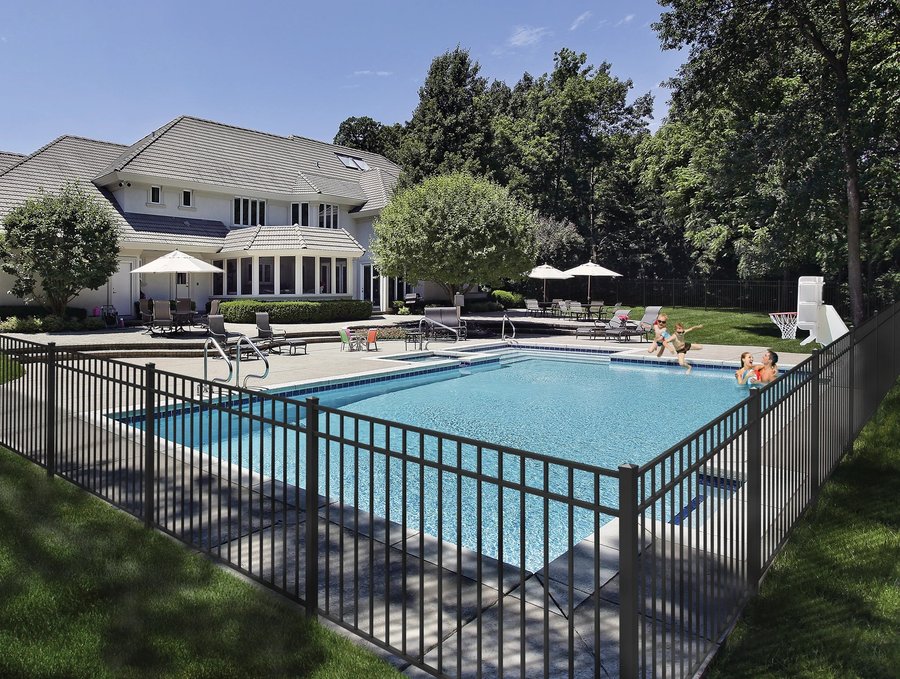
Pool Fencing in Olathe, KS by RKC Wood Care Pros

Pool Fencing

Barrier-code aluminum and iron for backyard pools — 48-inch height, non-climbable spacing, self-closing self-latching gates, built to pass the first inspection.

Olathe details

Fence already up? We also handle fence repair, staining and sealing, and gate installation across Olathe — and HOA-compliant fencing metro-wide.

Olathe fence pricing

What a Fence Costs in Olathe

A typical 150-to-200-foot backyard runs $3,750 to $7,000 for 6-foot cedar privacy, fully installed. What moves your number in Olathe specifically: whether it is a re-skin on sound posts or a full replacement, old-fence tear-out, the extra labor dense clay adds to every hole, grade change on a western lot, and gate count. Our rate is the same metro-wide; an Olathe fence is not priced above an Overland Park one.

Installed price per linear foot
Cedar Privacy (board-on-board)$25–$35/LFThe Olathe default
Cedar Shadowbox (good-neighbor)$28–$38/LFFinished from both yards
Re-skin on sound existing posts$16–$24/LFWhere the frame is still good
Black Ornamental Iron / Aluminum$30–$50/LFPond-backing & common-area lots

Estimates are free, written down, and itemized to the component. We tell you at the estimate whether your old fence qualifies for a re-skin or needs full replacement — the posts decide.

See full KC pricing FAQ →

Recent Olathe projects

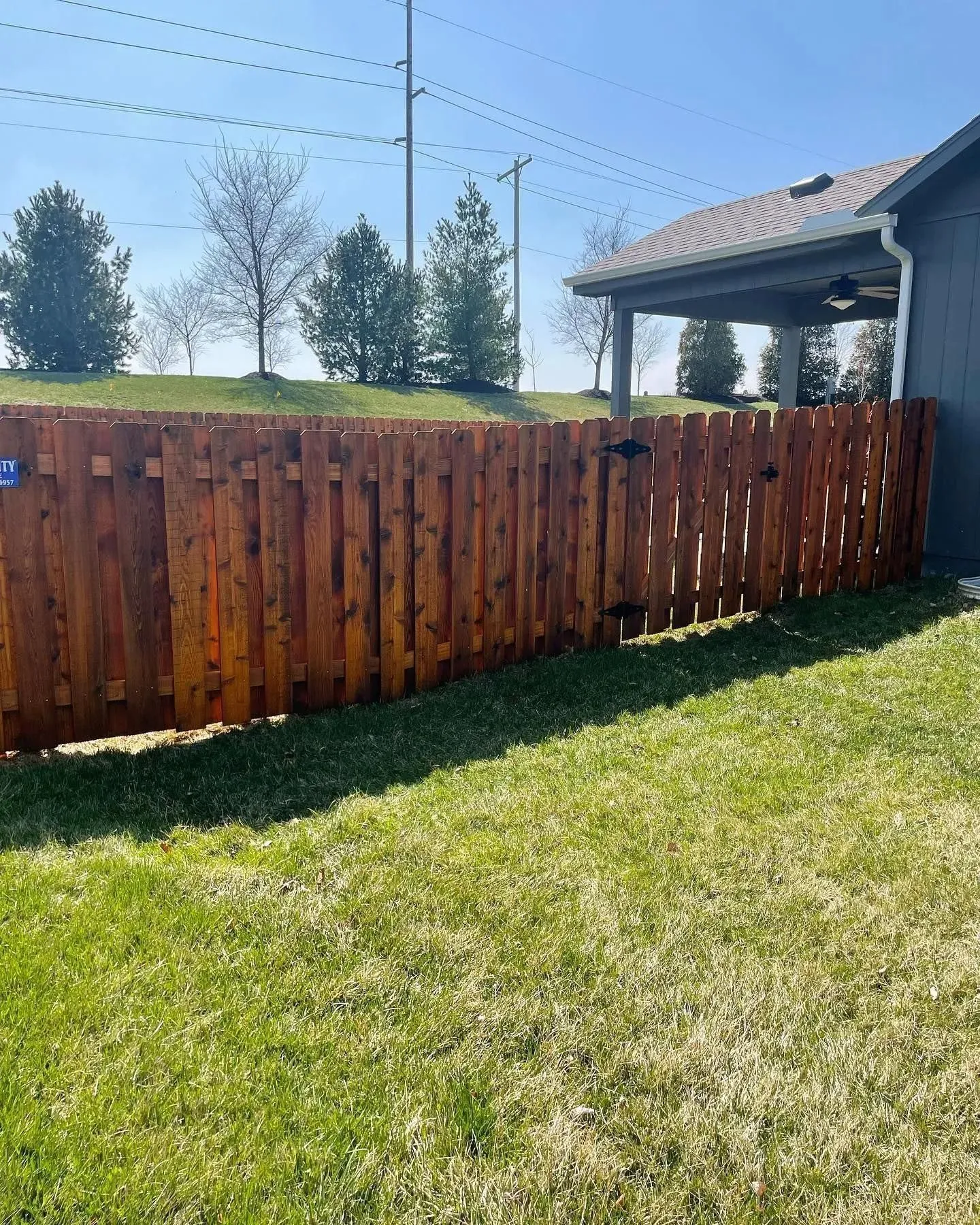
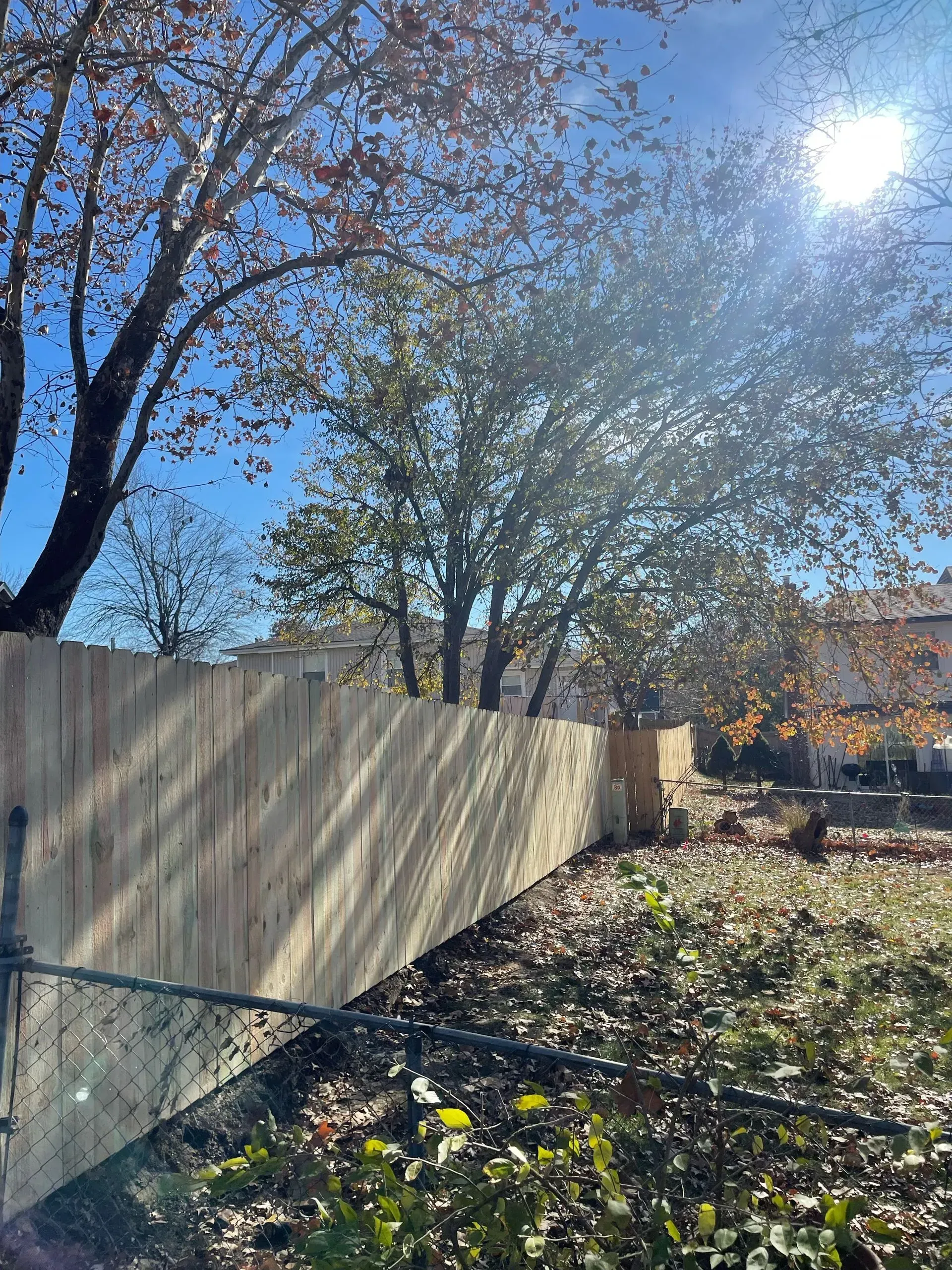
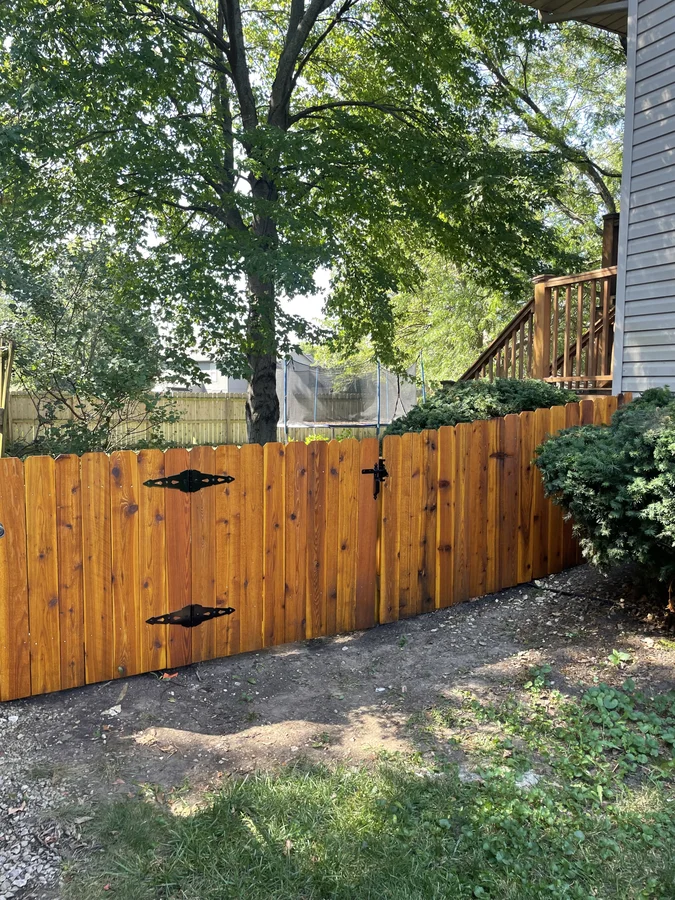
Fences We’ve Built Across Olathe Backyards

These are all real RKC jobs on the ground in Olathe. Cedar privacy, stained shadowbox, and ornamental iron, from the established subdivisions to the western new builds.

REVIEWS

What Kansas City Homeowners Say About RKC

4.9 ★ · 85 Google reviews

Every review is on our Google Business Profile — read them there, unedited.

Read all 85 reviews on Google

Olathe fence questions

Olathe Fence Questions Worth Asking

The things Olathe homeowners ask us at the kitchen table. Something missing? Josh takes the call at (913) 286-1091.

My Olathe cedar fence is about 20 years old — repair or replace?
Olathe has a huge volume of aging 20-year cedar reaching end-of-life at once, so this is our most common Olathe question. If the posts were set deep and only the boards have gone, a re-skin on the original frame is far cheaper than starting over. If the posts have rotted at the ground line — common in the dense clay where drainage is poor — it is a replacement. We probe the posts and show you what we find before quoting.
Why do my gates sag when the rest of the fence looks fine?
The Olathe Wind off the plains loads a long privacy run like a sail, and all of that force ends up in the gate. A gate is a lever, so its hinge post carries the most load on the whole fence. We set gate hinge posts deeper than the line posts, weld the frame, and cross-brace every swing leaf so it does not drop.
Why is digging post holes in Olathe such a big deal?
The clay here is dense — hand-digging it is genuinely brutal, which is why some crews quietly cut post depth to save labor. That is exactly the shortcut that fails. We auger to the full 36 inches every time, below the frost line, and on the rockier sloped western lots we bring the equipment to reach depth rather than stopping short.
What is the difference between board-on-board and shadowbox, and which should I get?
Both are solid six-foot cedar. Board-on-board overlaps the pickets so there is no gap to see through — maximum privacy. Shadowbox alternates pickets front and back, so it reads finished from both yards and lets a little wind pass through, which matters on the long exposed runs the Olathe Wind hits hardest. On a windy Stonebridge-style backyard we often steer you to shadowbox for exactly that reason.
My new cedar looks orange next to the neighbors’ gray fences — can you match it?
Fresh cedar starts bright and silvers as it weathers. We put the first coat of stain on at about 30 days, once the wood has dried enough to take it, and we can tone a new run toward a weathered gray or hold it at a warm cedar — your call. Staining is in-house, so the same crew that built the fence is the one that finishes it, and we log the 2-to-3-year re-coat.
The new lots west of K-7 are on a slope — how do you fence that?
Two ways, depending on the grade and the look you want. Racking follows the slope so the fence line runs parallel to the ground with no gap underneath — best for keeping pets in. Stepping keeps each section level and drops down like a staircase — a cleaner, more formal line. We walk the grade with you at the estimate and mark which sections get which.
Do you serve all of Olathe?
Yes — Olathe is our home base. From the 1970s split-levels near the city center to the newest builds pushing west toward K-7 and south toward 175th Street, Josh has built fences across this city and walks every install himself. Late spring is our heaviest Olathe season, right after the first severe thunderstorms test the old posts.

Service area

Beyond Olathe: Our Nearby Coverage

We are based in Olathe, so the surrounding Johnson County cities are home turf too — Overland Park to the northeast, Lenexa to the north, and Gardner to the southwest. Same cedar-and-clay market, same 36-inch standard. For the broader metro picture, head to our Kansas City fence contractor overview.

Get Started on Your Olathe Fence

Free, at your home, no pressure — and we tell you on the spot if your old cedar can be re-skinned.

Call (913) 286-1091

Ready when you are

Get a free estimate — we usually respond the same day.

Call (913) 286-1091