THE HIGGINSVILLE POST-LIFE READ
Six Things That Rot a Fence Here, and How We Stop Each One
In Higginsville's moist soil, a fence lives or dies at the post base. Here's exactly what shortens a fence's life in this ground — and the build detail that counters each one. This is the read we run on the lot. Every line is a place a generic install loses years and a wet-ground build keeps them.
Water sitting at the post base
Rich, moist ag soil holds water right where the post meets the ground — the number-one killer here
We crown the concrete collar so it sheds water away from the post instead of cupping it, set a gravel drainage base underneath, and keep the post out of standing water. Where the concrete meets the wood is where rot starts, so that joint is built to drain, not to pool.
The wrong wood at the grade line
Untreated pine at the ground line in wet soil is a rot clock — it's just a matter of time
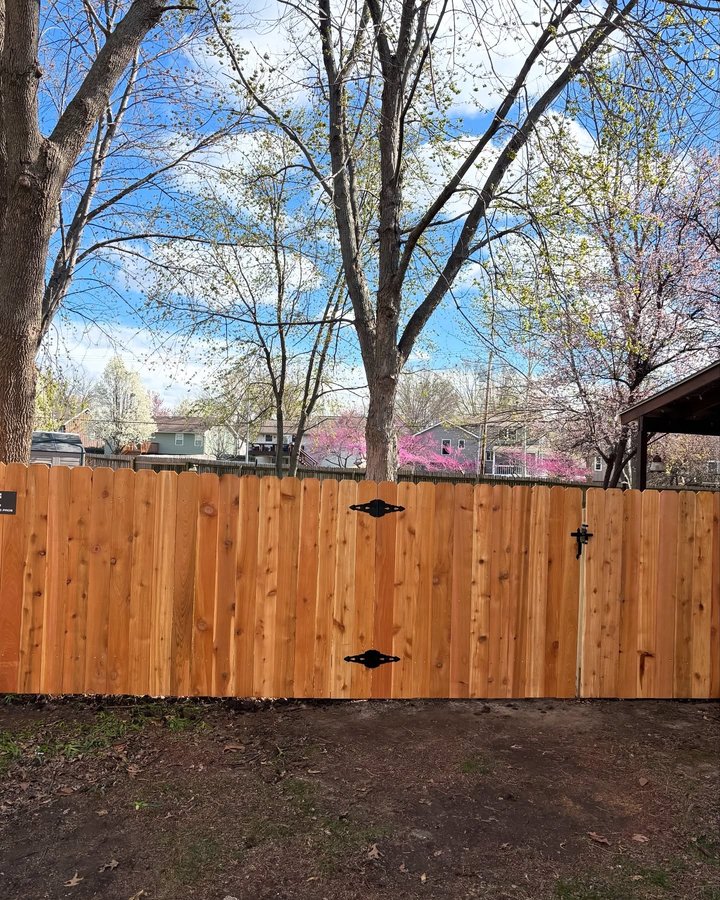
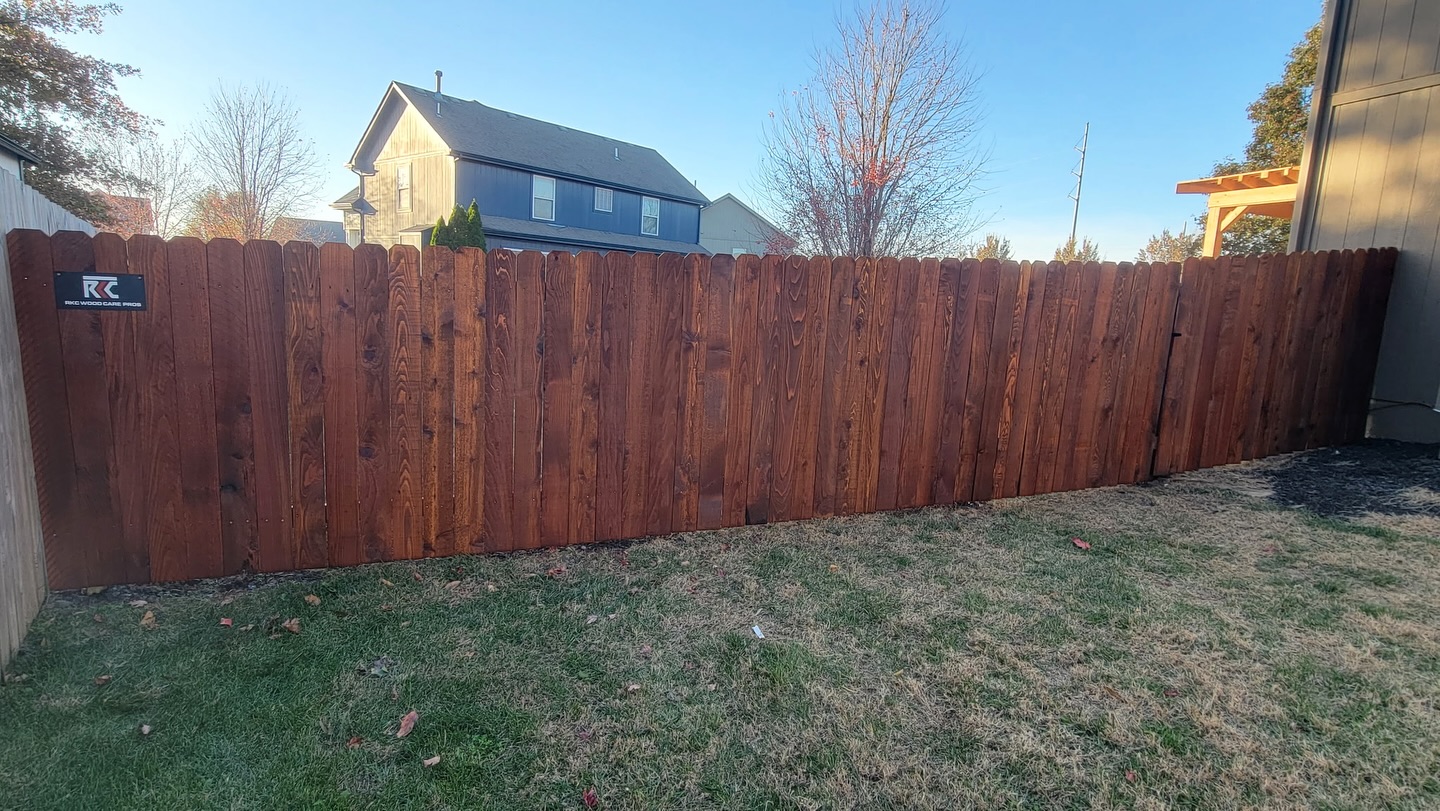
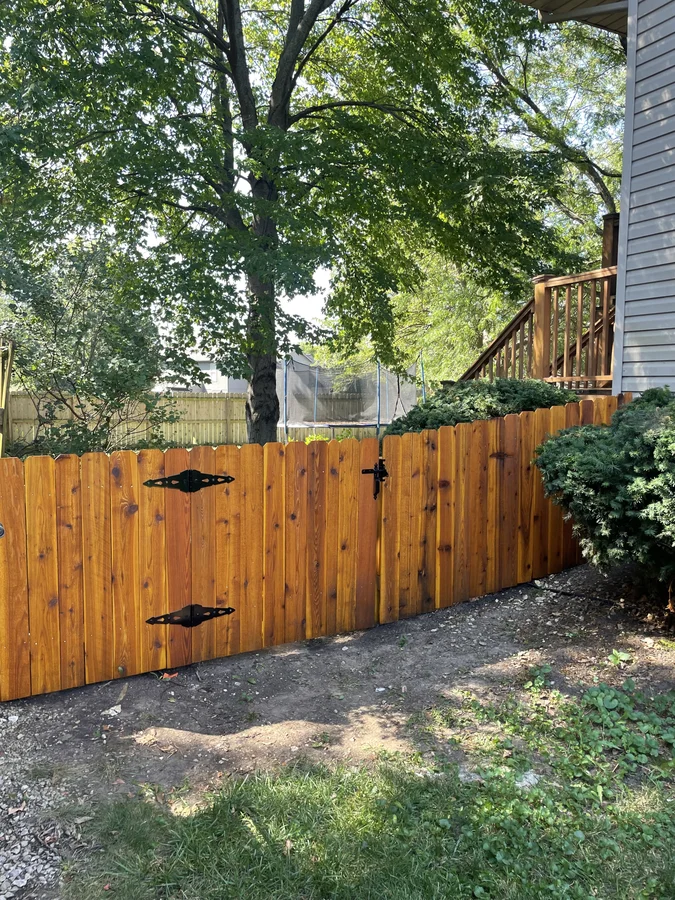
We use rot-resistant Western Red Cedar or a properly treated post below grade, never bare pine in the ground. The material that touches the moist soil is the material that decides how long the fence lives, so we don't cut that corner to save a few dollars.
The bottom board wicking moisture
A privacy board sitting on damp ground draws water up into the whole panel like a wick
We hold the bottom of the fence up off the wet ground with a rot board or a deliberate gap, so the panel isn't in constant contact with the moist soil. It's a small detail that keeps the whole run from soaking up the ground's moisture all season.
A post already rotting in an old fence
Aging-fence deterioration is common — one rotted post is usually the first of several
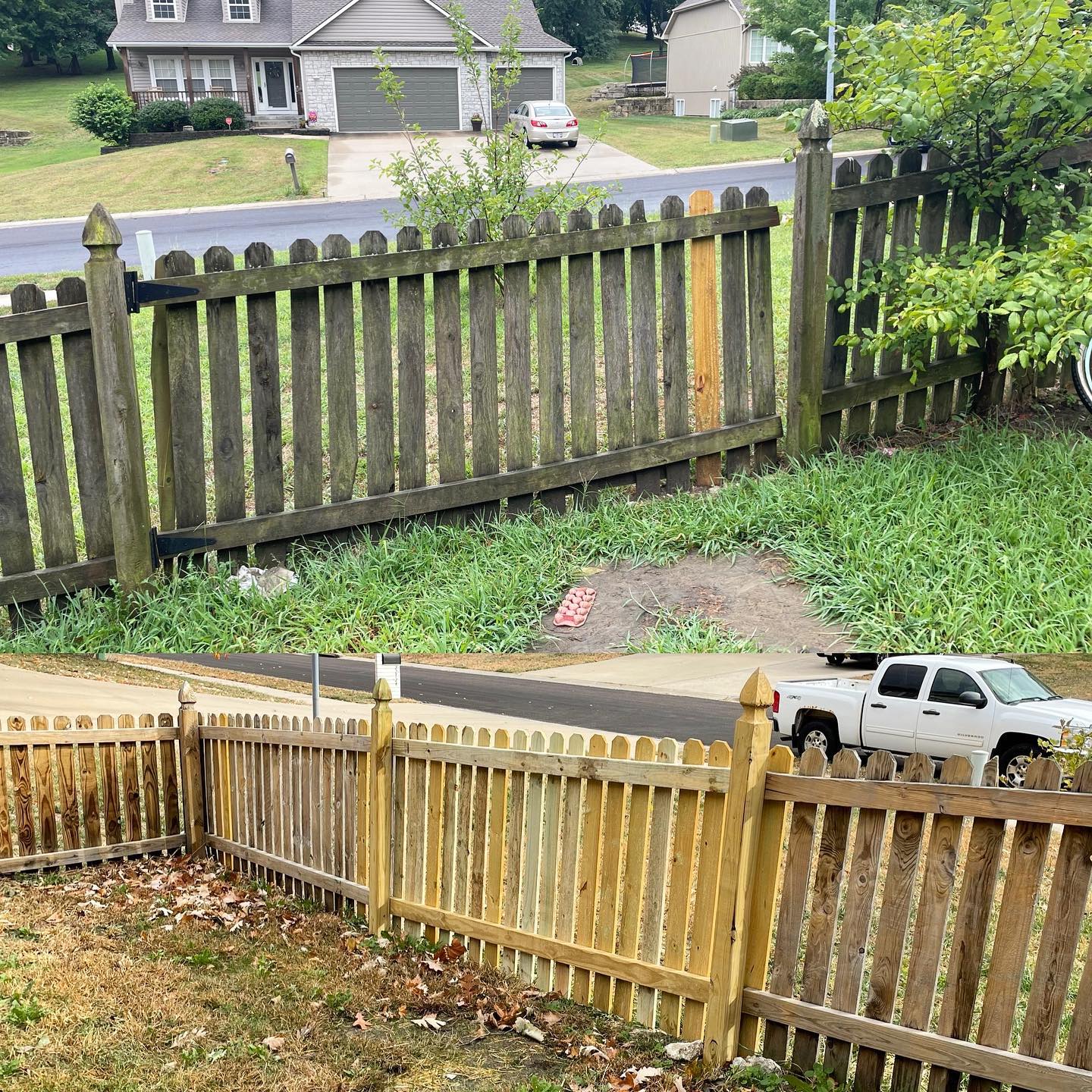
We pull the failed post, re-set it to a drained 36-inch spec, and check the rest of the run, because a post that rotted off at grade means the others are on the same clock. Catching it early is a cheap repair; waiting turns it into a full replacement.
The historic brick-street front line
The core's brick-street character asks for a decorative front line, not a stockade wall
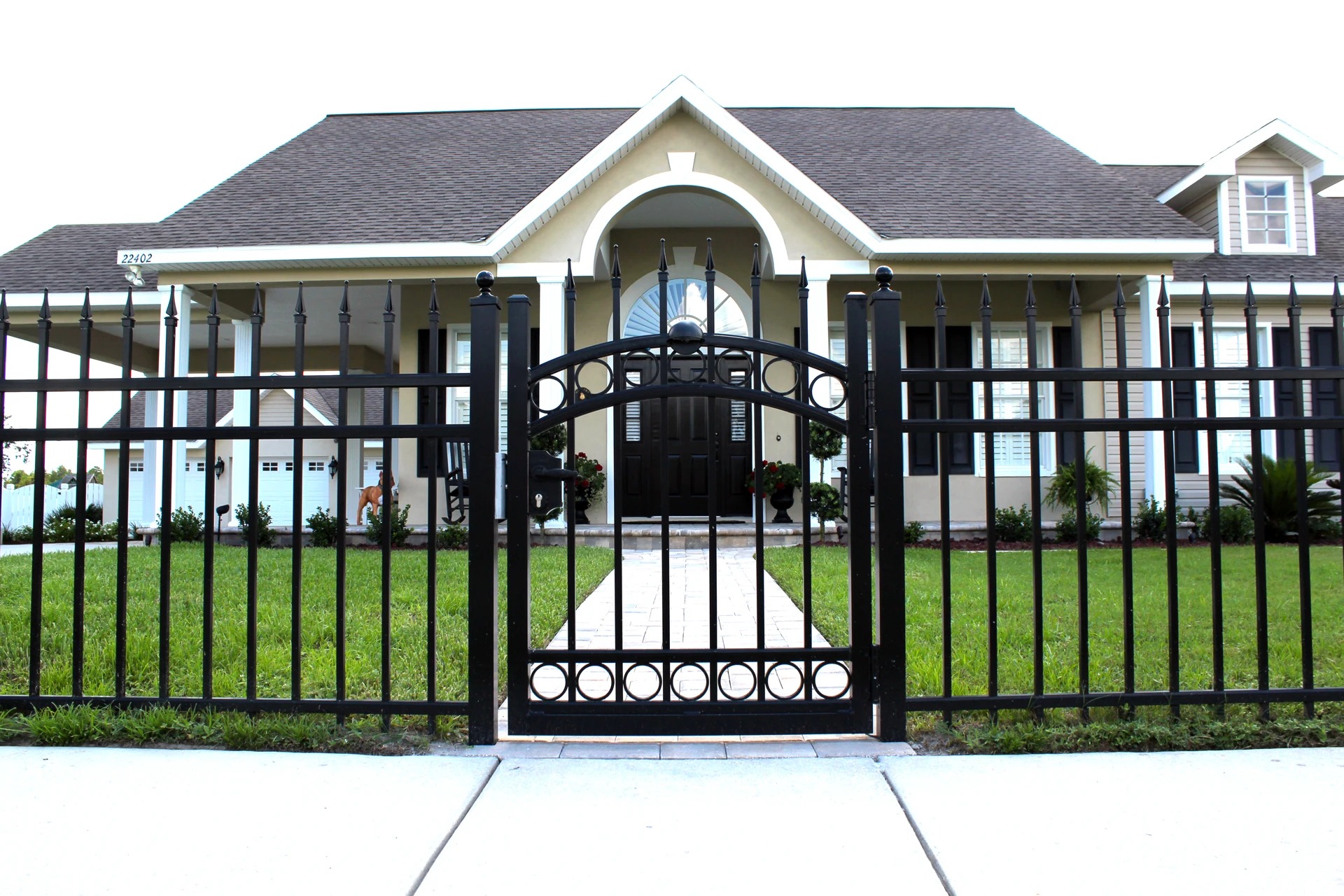
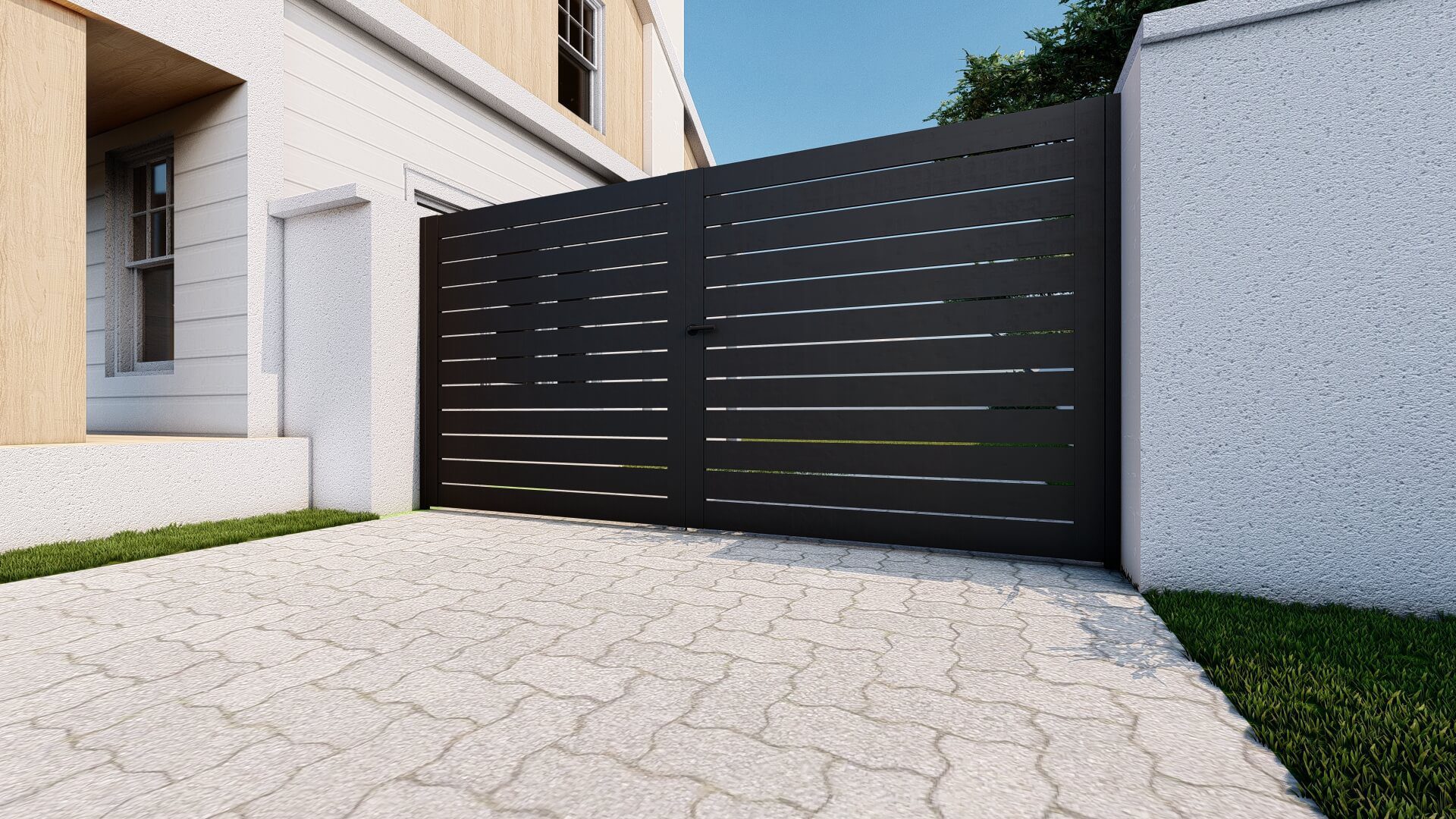
We match a picket or an ornamental line to the traditional look of the block — and for a rot-proof front line, powder-coated ornamental steel gives the historic aesthetic with no post to fail in the wet ground. It's a style match to the neighborhood, built to outlast it.
The homestead security backyard
Out of the core, the driver is family security and a private, contained yard
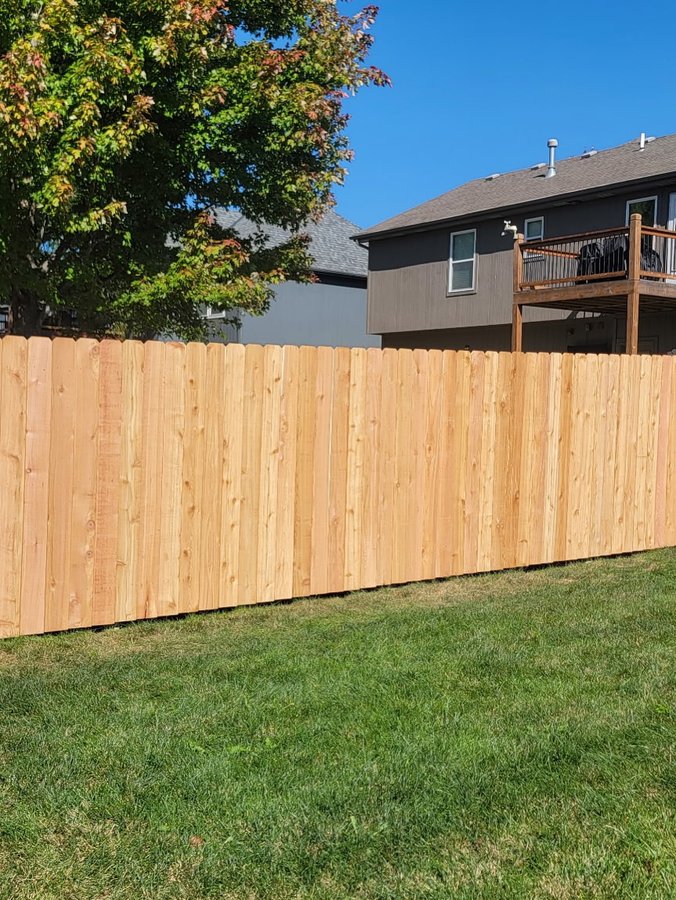
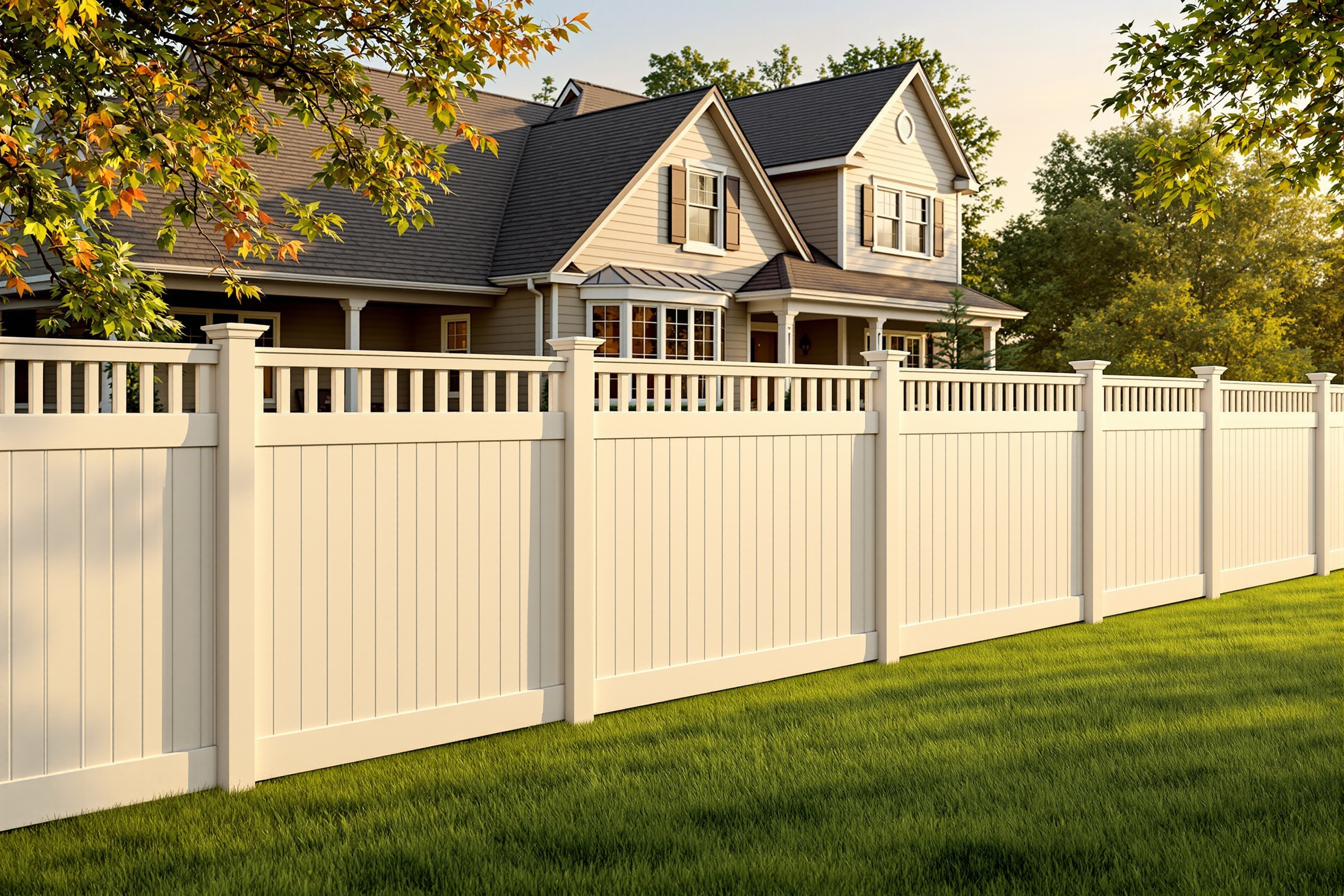
Solid 6-foot cedar or vinyl privacy on the flat, established lots — built to the same drainage-first, rot-resistant spec so a security fence doesn't quietly rot itself into a liability a decade in.
Landmarks near the Higginsville lots we fence: the Missouri Veterans Cemetery, the Confederate Memorial State Historic Site, and Higginsville City Park — off M-13, M-213, and Old 40 Highway. Our crews run the I-70 and Lafayette County corridor, so whether you're in the historic core or on a homestead lot, you're on the route.
Higginsville and the towns next door: the same crew fences the Lafayette County corridor around it —
Odessa and
Lexington — and it all runs out of our
Kansas City metro fence shop in Olathe.