Skip to content
HOA Fence Installation in Kansas City

HOA Fence Installation in Kansas City

RKC prepares the full HOA submission package — elevation drawings, materials list, stain color, neighbor letter — so your fence passes on first review. RKC is the Kansas City fence contractor that knows the covenants, the color lists, the height zones, and the visibility triangle rules in most Johnson County and KCMO subdivisions. Every post set 36 inches deep in concrete. In-house staining in the approved color. Same company from ARB submission to final walkthrough.

★★★★★
4.9
from 77+ reviews
Licensed
& Insured · KS + MO
400+
fences installed
A+ BBB Rated Licensed KS + MO First-Submittal Approval Focus Submission Prep Included
Browse fence styles in our catalog ↓
Why HOA homeowners choose RKC

What Gets an HOA Fence Approved on First Submittal in Kansas City?

An HOA fence project should feel like picking a material — not like another part-time job managing revision cycles and review board emails. We handle the submission package, speak the covenants' language, and match every spec to your subdivision's approved list so the board signs off on the first review.

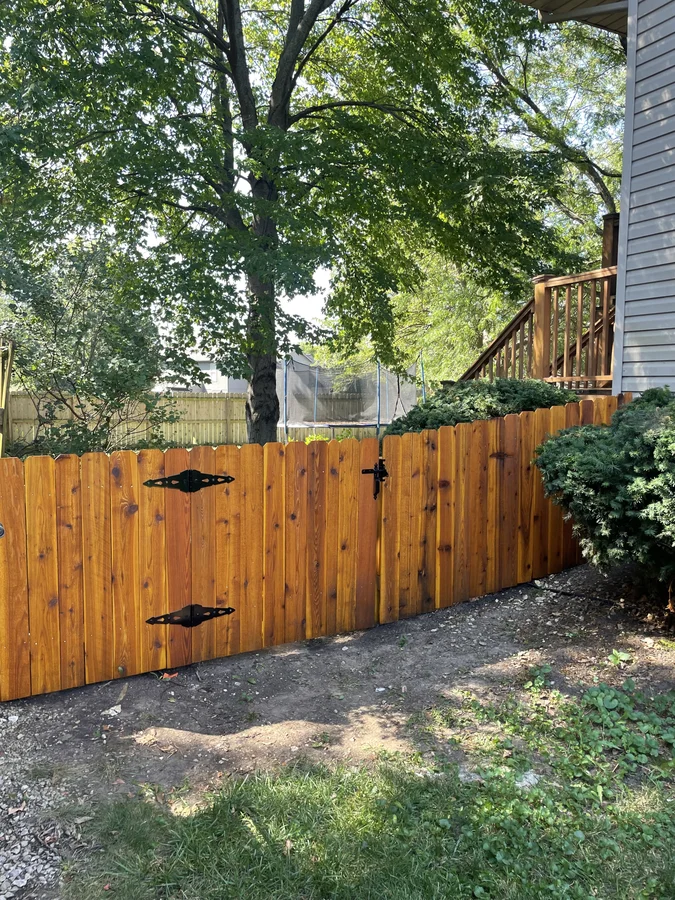
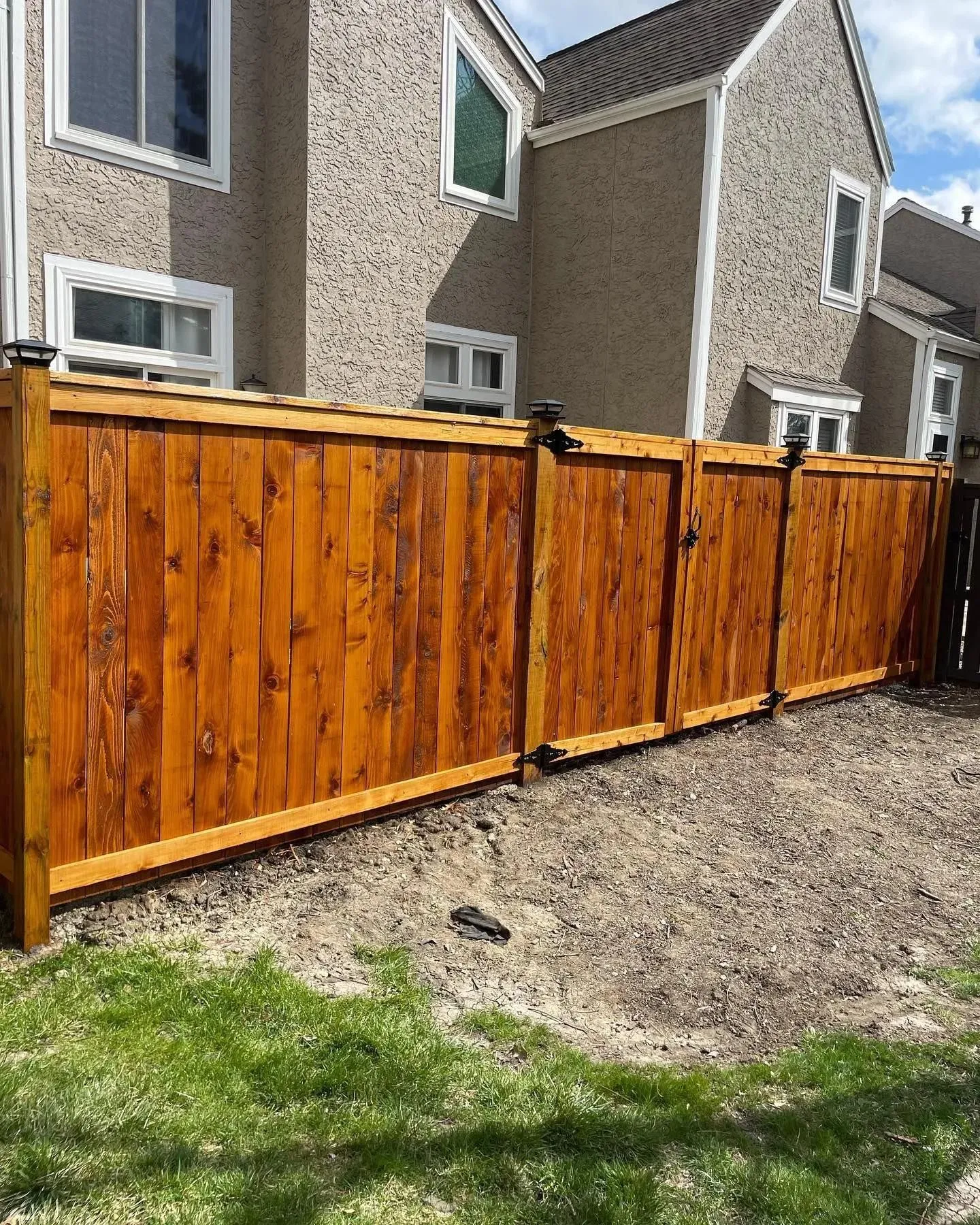
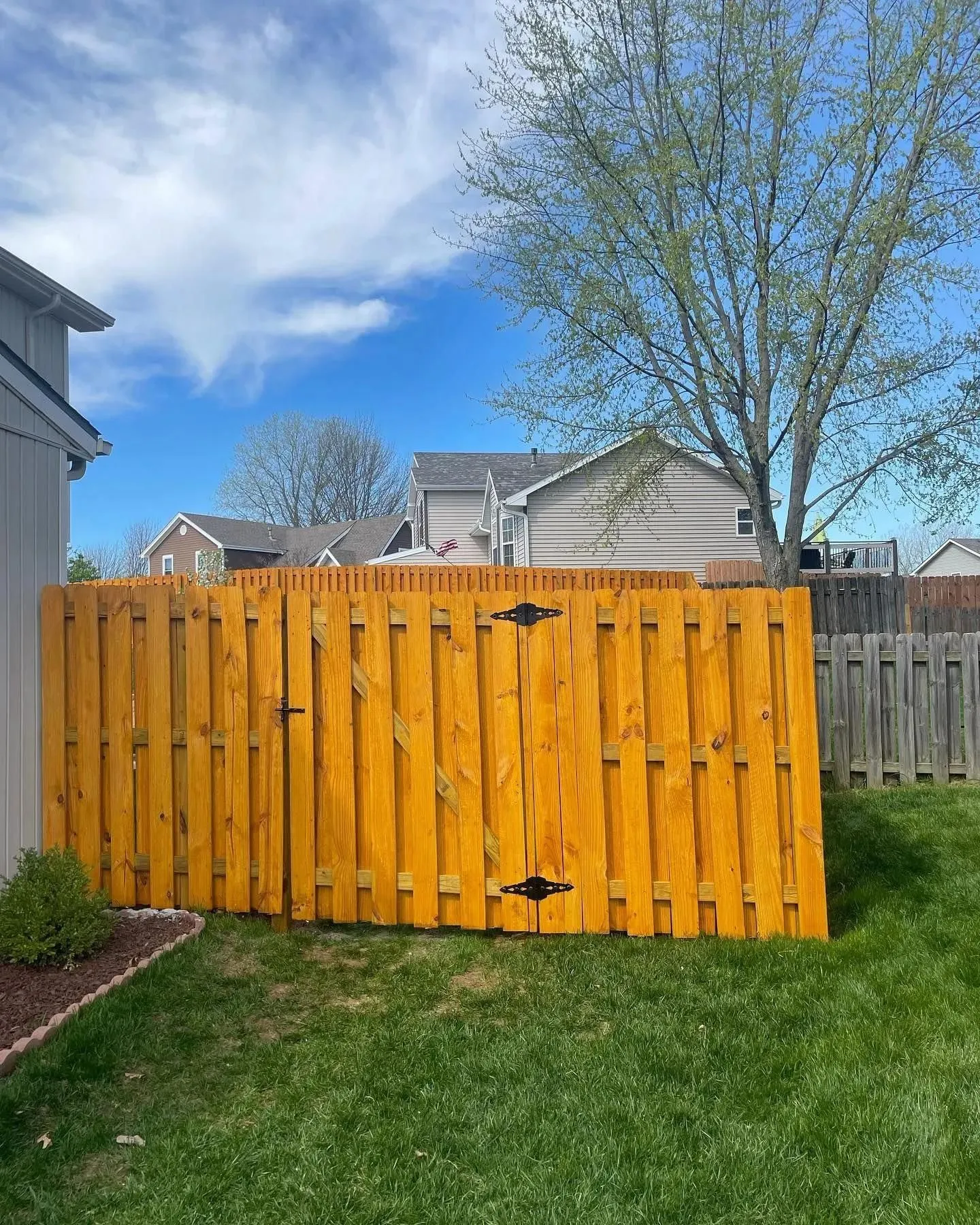
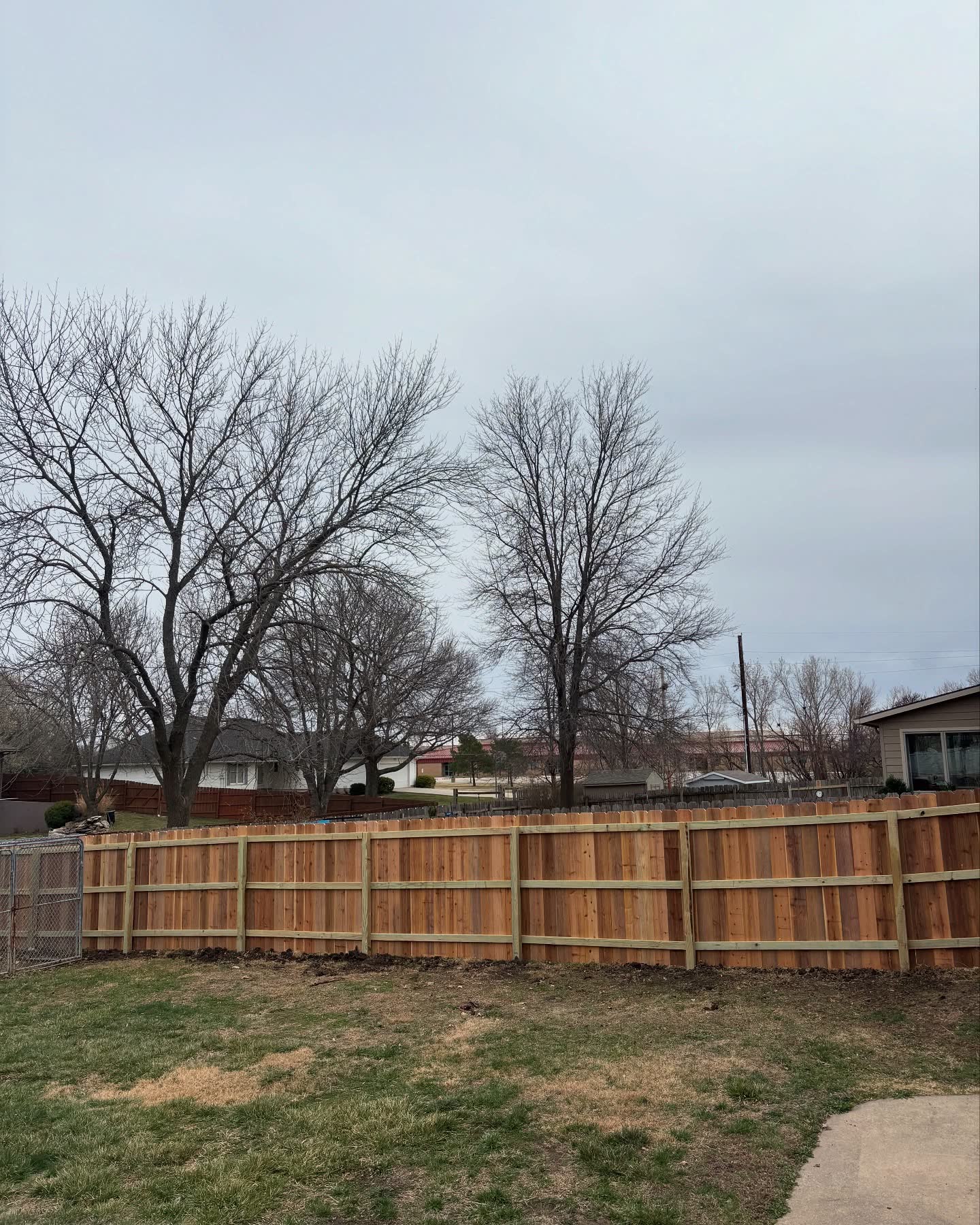
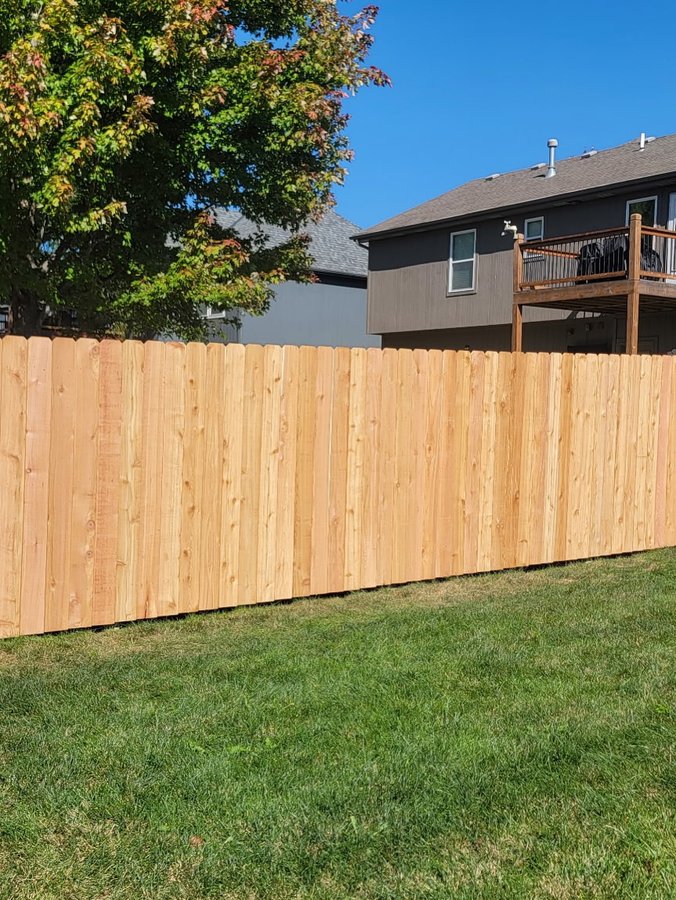
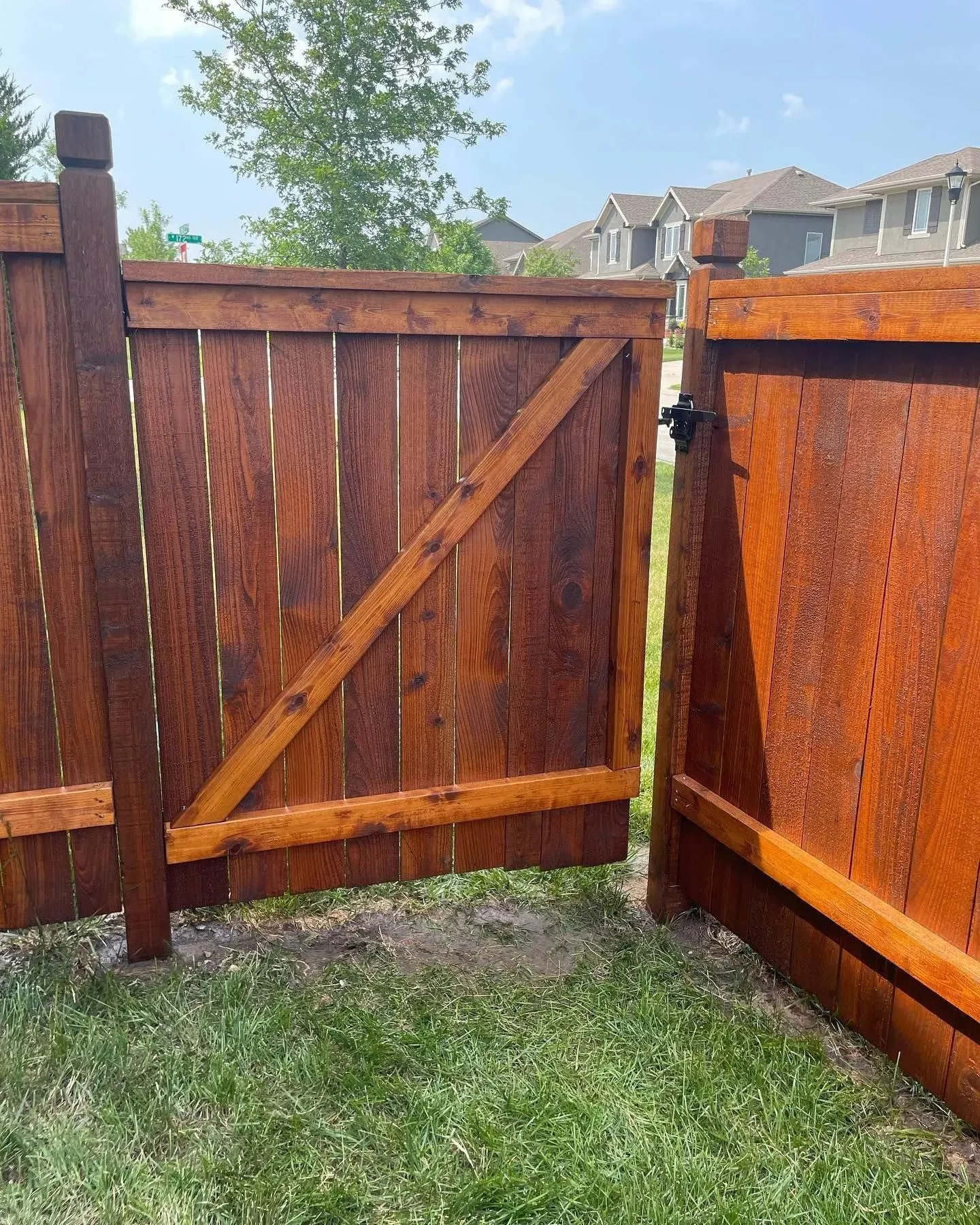
HOA-approved cedar privacy fence installed in an Olathe, KS Johnson County subdivision

Approval on the first submission

No revision cycles, no second ARB meeting, no re-ordering panels because a board member flagged the color. We build the submission around your subdivision's exact approved list, so the board stamps it once and the install timeline starts the week the permit clears.
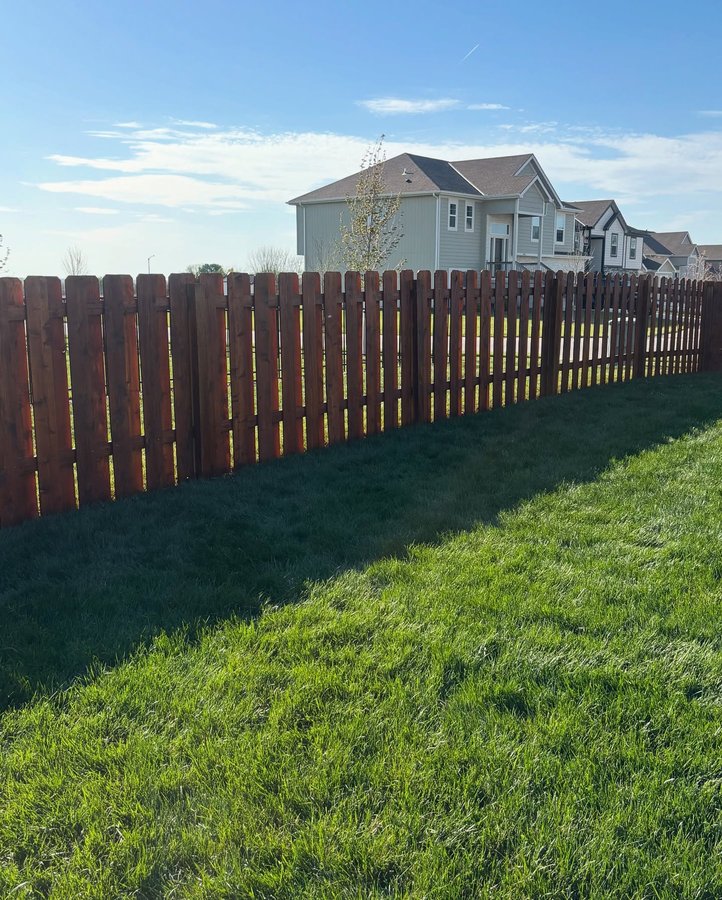
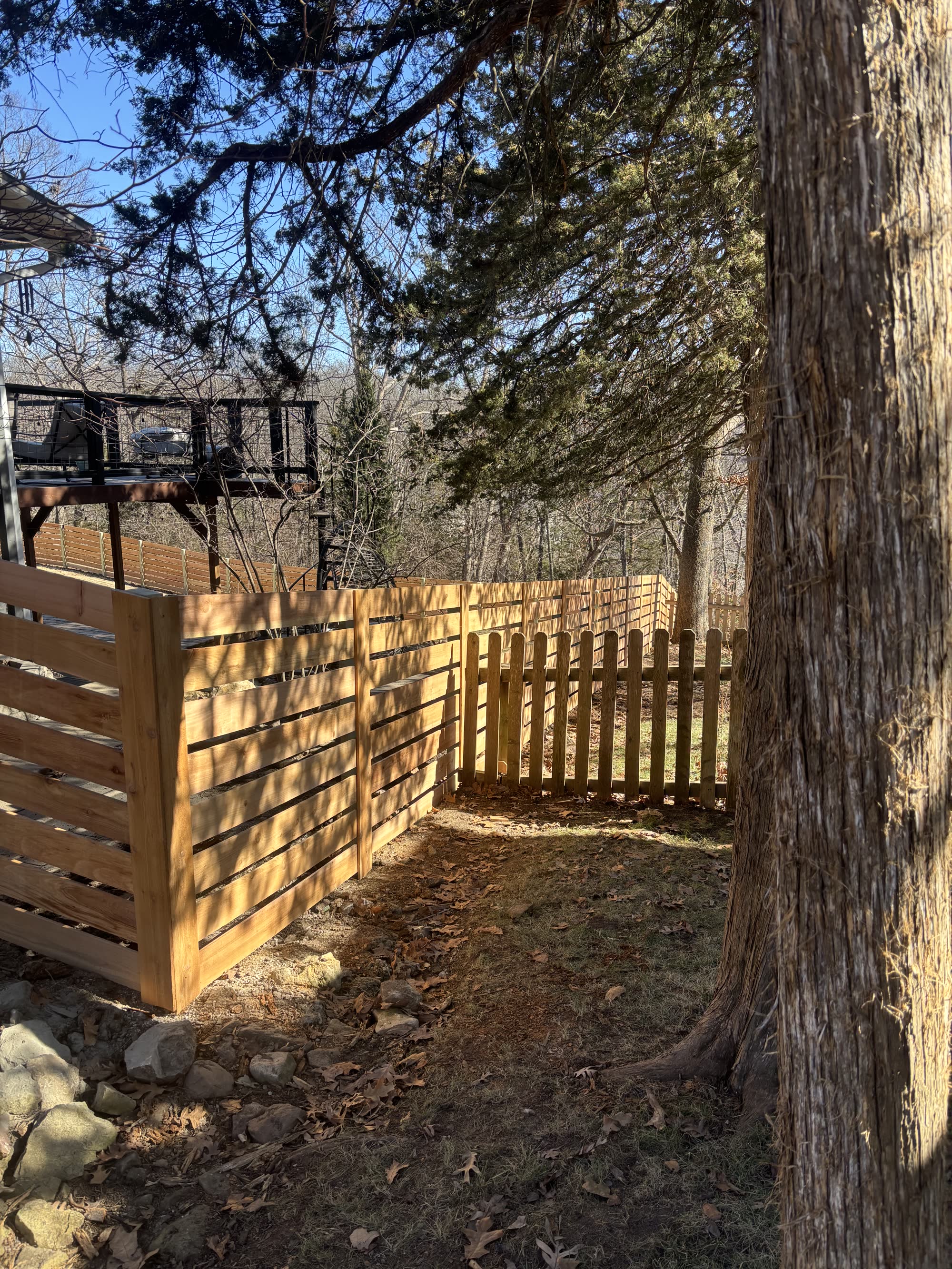
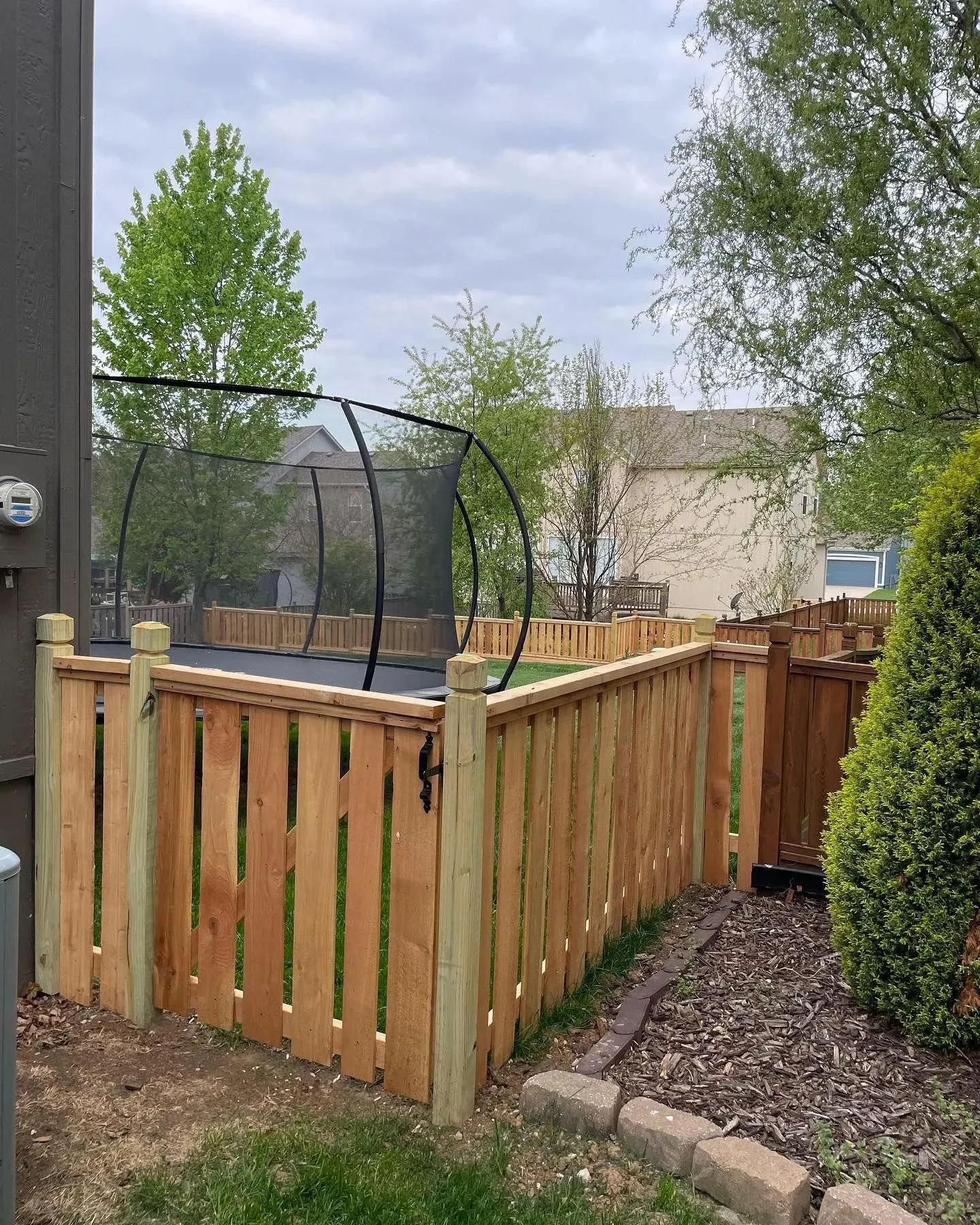
Cedar privacy fence matching the character of an Overland Park HOA neighborhood

A fence that fits your subdivision's character

Approved doesn't have to mean cookie-cutter. Most KC metro covenants leave enough room inside the approved list for a cedar shadow-box, a textured vinyl in the right khaki, or an aluminum ornamental that still feels like your house — not every other house on the block.

HOA architectural review packet with panel specs, color chips, and elevation drawings prepared by RKC

The architectural review packet — off your plate

Covenant review, panel spec sheet, manufacturer color chip, elevation drawing, lot survey with fence path, neighbor notification letter. We assemble the package, submit it to the ARB, and handle revisions if the board asks for them. Your part is picking the material.

Cedar fence stained in an HOA-approved color, matched from the covenant's stain list

Stain color and material picked from the approved list — not negotiated

Most HOA headaches start when a "close enough" color gets substituted to hit a deadline. We pull chips from the exact approved list, match by manufacturer color name, and apply in-house — so the fence that stands up on install day is the same fence on the covenant page, no callback letters later.

HOA-APPROVED PRIVACY CATALOG

What KC Metro HOAs Actually Approve

Privacy fences in approved materials, approved colors, and approved heights — the core of any HOA-compliant install. Browse our privacy catalog below: cedar, vinyl, composite, and premium privacy panels that clear most Johnson County and KCMO HOAs. For aluminum ornamental and other styles, ask at the estimate.

Select a style above to see colors and details

HOA-approved cedar privacy fence in an Olathe subdivision installed by RKC Wood Care Pros

WHY HOA SUBMISSIONS GET KICKED BACK

The HOA Rejection Triggers Most Submissions Miss — and How We Pre-Design Around Them

Roughly 40% of HOA fence submissions get kicked back on first review. The reasons are small and specific: wrong stain shade, wrong vinyl color, wrong height in the front-yard zone, missing neighbor notification, material not on the approved list. Each rejection costs 2–4 weeks of delay. We know the common rejection patterns and design around them before submission.

  1. 1.
    Stain or paint color not on the approved list. Most HOAs list stain colors by specific manufacturer + product name (e.g., 'Cabot Semi-Transparent Oak Brown'). It's easy for a crew to pick a close-enough 'warm brown' from their preferred supplier and have the ARB send it back. We pull color chips from the approved list before ordering stain.
  2. 2.
    Height violation by zone. Most HOAs cap front-yard fences at 4 feet, side-yard at 4–6 feet, rear at 6 feet. Corner lots have visibility triangles with separate 3-foot limits. A common shortcut is to spec one height for the whole fence, which the ARB tends to reject on front-yard or triangle violation. We measure each zone and spec separately.
  3. 3.
    Missing shared-fence neighbor notification. Many covenants require written notification (sometimes consent) from the adjacent property owner on shared-line fences. This step is easy to overlook, and the ARB tends to reject on procedure when it's missing. We draft the letter, get the signature, and include it in the submission package.
See our six HOA installation standards →

INSTALLATION STANDARDS

What Are the Six Standards Behind a First-Submittal HOA Approval?

Every HOA fence RKC installs follows the same six standards — cedar, vinyl, aluminum, or composite. These aren't upsells. They're the checklist that clears ARB submissions on first review. Skip any of them and the submission sits in rejection loops for weeks.

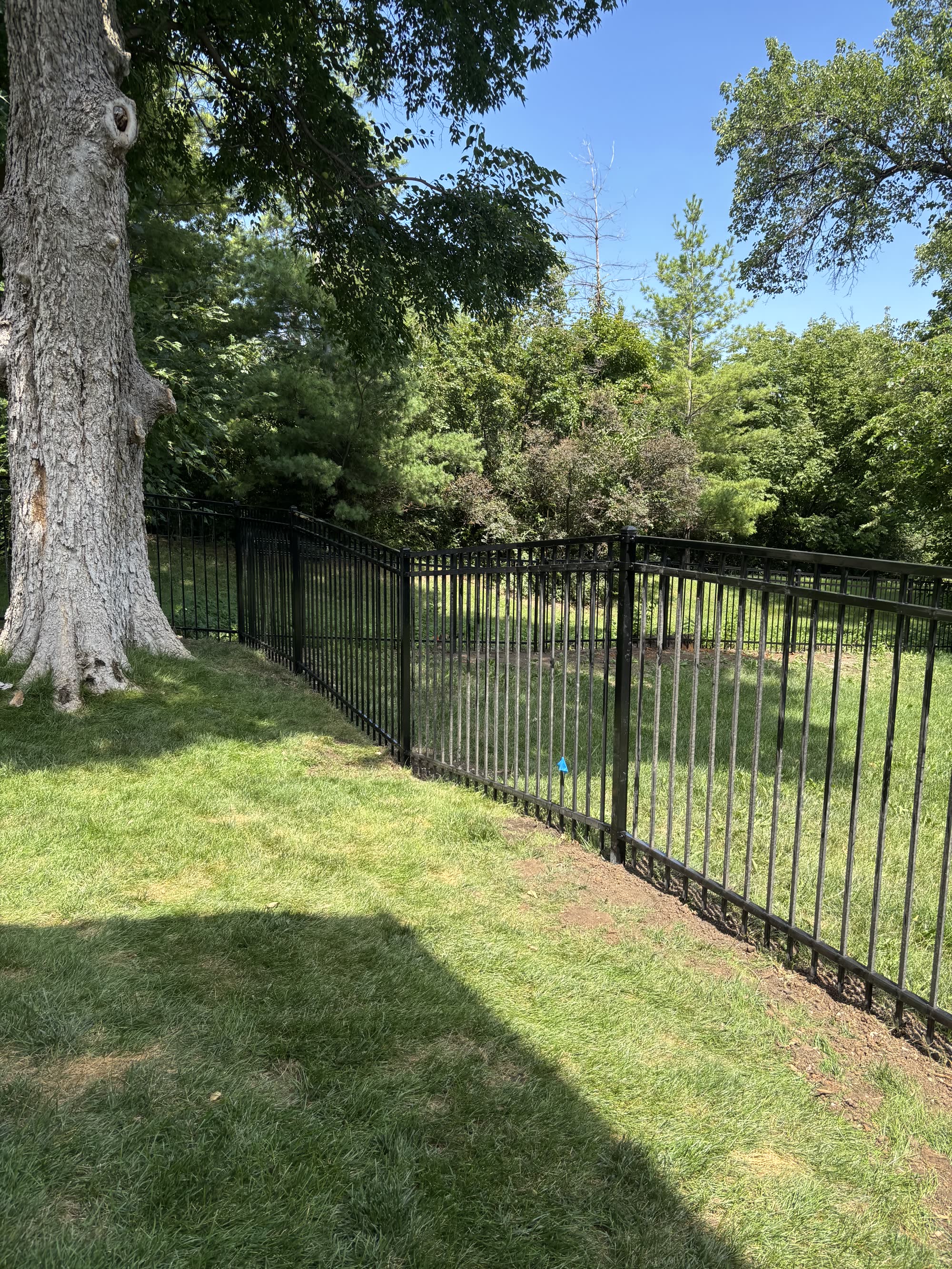
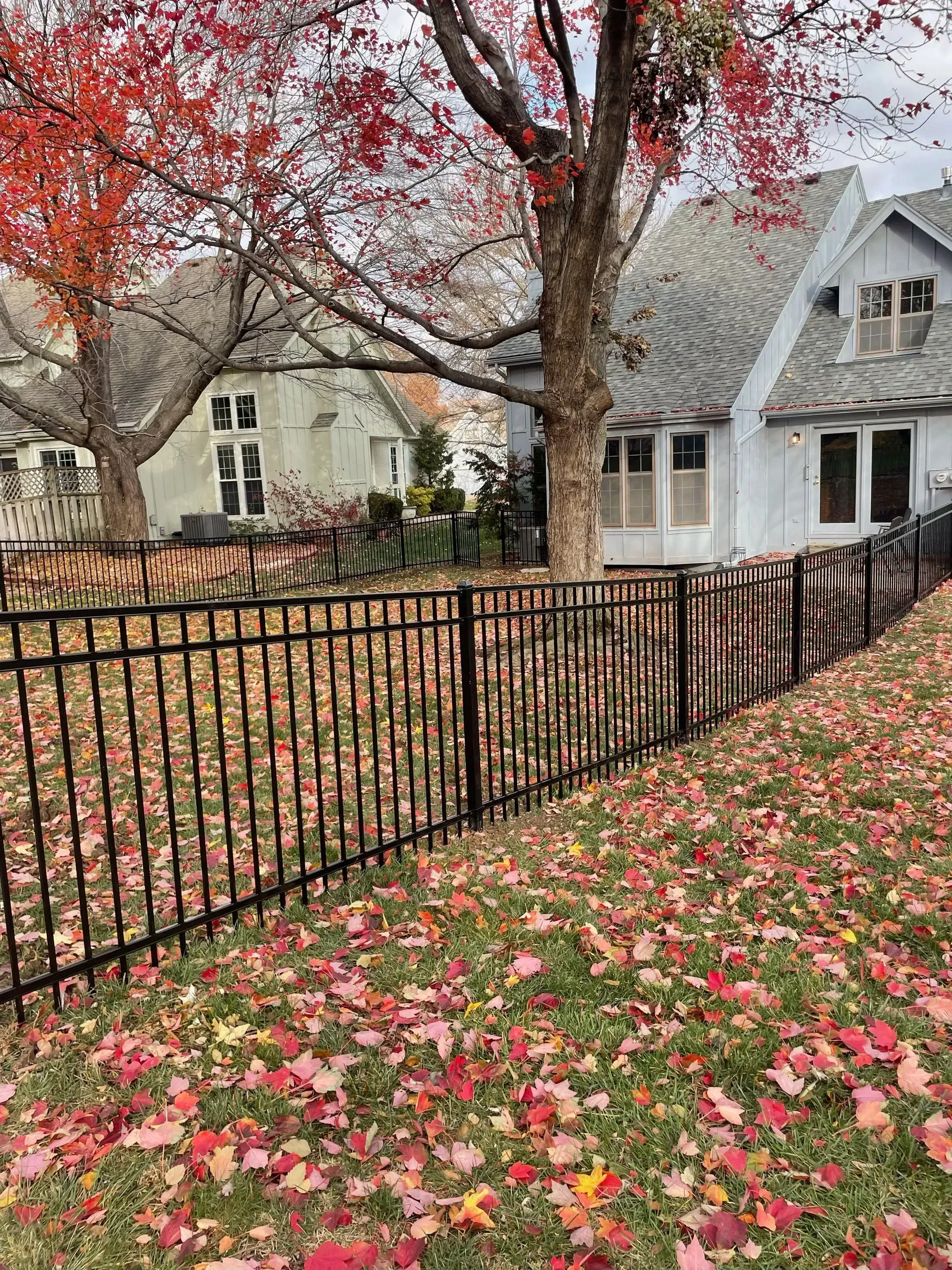
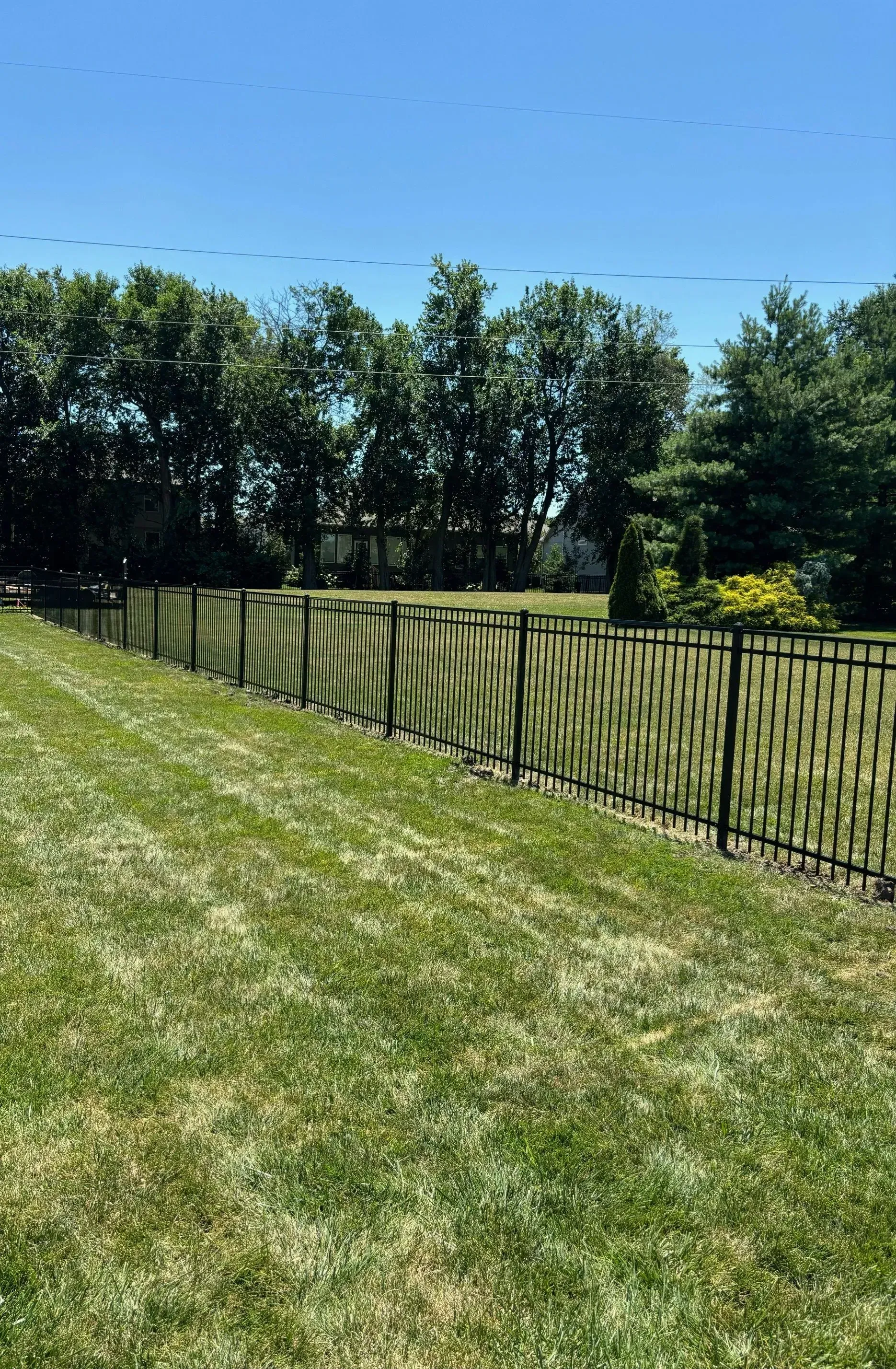
Black ornamental aluminum fence in a landscaped Kansas City yard with mature trees — RKC Wood Care Pros
Every HOA install includes covenant review, submission package prep, approved color verification, and 36-inch post depth in poured concrete.
  1. 1

    Pre-submission HOA approval verification

    Before we order materials or pull a permit, we review your HOA covenants and the architectural review board's approved fence list. We confirm allowed materials, approved colors, height restrictions, and front-yard limitations. If the spec doesn't match, we adjust — before the submission, not after the rejection.

  2. 2

    Approved materials, approved colors — nothing more

    HOA rejection triggers are often small details: a wrong stain shade, a beige vs khaki vinyl, a black aluminum instead of bronze. We pull color chips and material samples from the approved list, prepare the submission using exact manufacturer color names, and never substitute a 'close enough' color to meet deadlines.

  3. 3

    Height compliance — front-yard, side-yard, rear separately

    Most HOAs cap front-yard fencing at 4 feet, side-yard at 4–6 feet, and rear at 6 feet. Corner lots have separate visibility-triangle rules. We measure the lot, mark every segment to its applicable height limit, and spec panels accordingly. One tall panel in the wrong zone tends to send a submission back for revisions.

  4. 4

    Shared-fence neighbor coordination and documentation

    Shared property-line fences typically require neighbor notification or written agreement per HOA covenants. We prepare a shared-fence notification letter for your neighbor, document consent (or note objection if the HOA allows unilateral install), and include the documentation in your submission package.

  5. 5

    36 inches post depth, approved hardware, approved finish

    HOA covenants rarely dictate post depth or concrete — but they dictate hardware visibility, stain, and aging appearance. We set every post 36 inches deep in concrete for structural integrity, then use concealed or approved-style hardware, and apply stain or sealer in the approved color so the fence stays compliant through its full lifespan.

  6. 6

    Submission package + architectural review + walkthrough

    Every HOA install comes with a documented submission package: panel spec sheet, color chip, elevation drawing, lot survey with fence path, neighbor notification letter, and contractor license info. We hand it to the ARB. After install, we walk the fence with you, deliver a final close-out package, and retain documentation for your records.

RKC installs and repairs every type of fence — wood, vinyl, chain link, ornamental iron, aluminum, and commercial security — plus gates, automatic openers, and in-house staining. The six standards above apply to every HOA install; material-specific standards apply to the rest.

HOA-APPROVED MATERIAL COMPARISON

Which Material — Matched to Your HOA's Approved List

The material decision is constrained before it begins: your HOA has an approved list, and the best fit is the overlap of approved + appropriate. Here's the side-by-side on the four most commonly HOA-approved materials across the KC metro — with typical HOA restrictions documented for every row.

Factor Cedar HOA-Approved Vinyl HOA-Approved Aluminum HOA-Approved Composite HOA-Approved
Material Cedar privacy Vinyl privacy Aluminum ornamental Composite privacy
Typical HOA restriction Approved stain colors only Approved color list (3-5) Color + height + style Usually allowed; color-restricted
Installed cost per LF $25–$35 $28–$42 $30–$55 $45–$75
Height cap (common HOA) 6 ft rear / 4 ft front 6 ft rear / 4 ft front 4 ft front / 6 ft rear 6 ft rear / 4 ft front
Typical HOA approval rate High — if stain approved High — with approved color Very high — most HOAs Moderate — newer material
Maintenance expectation Re-stain every 2–3 years Wash annually Nearly zero Nearly zero
Expected lifespan (KC) 15–25 years 25–30+ years 20–30+ years 25–30+ years
Try the Cost Estimator →

WHAT HOA CUSTOMERS SAY

Reviews from KC Homeowners Who Needed RKC to Clear the Architectural Review Board

Approved submittals, shared-fence neighbor coordination, corner-lot visibility triangles, subdivision match installs — the reviews cover every HOA scenario we handle. Here are nine customers who needed the ARB to sign off. Full archive on Google.

★★★★★
“Our HOA in south Overland Park rejected the first fence proposal we got from another company because the stain color wasn't on the approved list. RKC came in with the right spec, prepared the full submission package, and the ARB approved on first review.”
Victoria H. Overland Park, KS
HOA Cedar — First Submittal
★★★★★
“Needed a fence in a strict Leawood HOA. RKC knew the covenants better than we did — flagged the 4-foot front yard cap and the approved color list before we even ordered panels. ARB approved, permit pulled, fence installed inside six weeks.”
Gregory T. Leawood, KS
Leawood HOA Aluminum
★★★★★
“The architectural review board rejected two contractors before us. RKC's submission package had everything — elevation drawing, color chip, lot survey, neighbor letter. Approved on the first review.”
Monica D. Olathe, KS
HOA Approved Vinyl
★★★★★
“Our neighborhood requires a shared-fence agreement with neighbors before installation. RKC drafted the notification letter, walked it through with both neighbors, collected signatures, and included everything in the HOA submission. Clean process.”
Aaron B. Prairie Village, KS
Shared-Fence HOA
★★★★★
“Corner lot in a Blue Valley HOA with a visibility triangle requirement. RKC measured, spec'd a 3-foot picket in the triangle and 6-foot privacy in the rear yard, and the board approved the mixed-height install on first pass. Exactly what the covenants called for.”
Patricia M. Overland Park, KS
Corner Lot HOA
★★★★★
“HOA required specific stain color on the cedar. RKC pulled the exact manufacturer color name from the approved list, applied it in-house 30 days after install, and the HOA sent a written compliance confirmation the next month.”
Robert K. Shawnee, KS
HOA Stain Color Spec
★★★★★
“Our small subdivision has an HOA and their rules are more strict than the bigger developments. RKC read through the covenants line by line, pointed out a 'no exposed post tops' detail the other bidders missed, and installed with post caps that matched the approved list.”
Susan W. Mission, KS
Detail-Specific HOA
★★★★★
“Needed composite for the maintenance-free aspect but wasn't sure if our HOA would allow it (composite is newer on most approved lists). RKC pre-cleared it with the ARB before we signed the estimate, and the install went through cleanly.”
Mark J. Kansas City, MO
HOA Composite Approval
★★★★★
“Replaced an aging wood fence in a 1990s Olathe subdivision. The original developer's HOA rules required cedar only in an approved 'autumn' stain. RKC matched the spec perfectly — approved within the standard two-week ARB window.”
Jennifer C. Olathe, KS
Subdivision Match Install

Read all 77+ reviews on Google →

HOA FENCE PRICING

What HOA-Compliant Fence Installation Costs in Kansas City

Typical installed prices across Johnson County and KCMO HOAs — with full submission package preparation included at no extra cost. Prices assume standard terrain and approved stock color. Premium stains, custom heights, and ARB revision rounds do not change the base price. Call for a free on-site estimate with covenant review.

INCLUDED

HOA Submission Package Prep

Included in every HOA install

Included: Covenant review, panel spec, color chip, elevation drawing, neighbor letter, submission to ARB

Changes price: Revision rounds if ARB requires adjustments — included in scope

MOST POPULAR

Typical Cedar HOA (6-ft rear / 4-ft front)

$25–$35 / LF installed

Included: Select-grade cedar, 36" post depth, approved stain color, galvanized hardware, permits, submission prep

Changes price: Height zone, gate count, premium stain, corner-lot visibility triangle

LOW MAINTENANCE

Typical Vinyl HOA (6-ft rear / 4-ft front)

$28–$42 / LF installed

Included: HOA-approved vinyl (tan, white, khaki), tongue-and-groove panels, aluminum inserts, 36" post depth, permits

Changes price: Color, height, textured finish, gate package

Premium HOA upgrades (composite, textured vinyl, custom stain match, variance requests) are quoted per project. Most Johnson County HOA installs fall inside the $25–$42/LF range.

Try the Cost Estimator →

HOW IT WORKS

How Long Does an HOA Fence Install Take From First Call to Final Walkthrough?

HOA installs carry an extra step — architectural review. Budget 4–8 weeks end-to-end. Timeline breakdown: 1 week for estimate + covenant review, 2–4 weeks for ARB review, 1–2 weeks for install, 1–2 days for staining and walkthrough.

  1. 1

    Call or Request a Quote

    Call (913) 286-1091 or fill out the form, and we'll ask for your HOA name and neighborhood — we have working knowledge of most Johnson County and KCMO HOA covenants and respond the same business day.

  2. 2

    On-Site Measure + Covenant Review

    We walk the property, measure each fence zone (front, side, rear, corner triangle), and pull your HOA covenants. We verify approved materials, colors, heights, and any subdivision-specific quirks. Written estimate + preliminary submission package draft within 5 business days.

  3. 3

    Submit to Architectural Review Board

    We submit the full package to your HOA's ARB. Most boards take 2–4 weeks to respond. If they request revisions (height adjustment, color change, picket style tweak), we handle the revision and re-submission. Once approved, we pull the city permit.

  4. 4

    Permit, Install, HOA Walkthrough

    Posts go 36 inches deep and cure 24–48 hours before panels hang, gates swing, and stain or sealer goes on in the approved color. Once the fence is finished, we walk it with you and deliver the close-out package — approvals, receipts, and warranty documentation for your HOA file.

OUR SERVICE AREA

Where Does RKC Install HOA-Compliant Fences Across the KC Metro?

We install HOA-compliant fences across 56 KC metro cities — with working knowledge of most major subdivision covenants. From Blue Valley in south Overland Park to historic subdivisions in Brookside KCMO, we've submitted to and been approved by architectural review boards across the metro.

Kansas

Johnson County is home base for HOA-heavy subdivisions — most of our HOA installs are KS-side. Bonner Springs , Gardner , Leawood , Lenexa , Mission , Olathe , Overland Park , Prairie Village , Shawnee , Spring Hill . We handle covenant review, submission package preparation, ARB coordination, and subdivision-specific quirks in every city.

Missouri

KCMO subdivisions and Northland HOAs — fewer but often stricter than JoCo. Belton , Blue Springs , Grain Valley , Grandview , Greenwood , Independence , Kansas City , Lee's Summit , Liberty , Oak Grove , Peculiar , Pleasant Hill , Raymore , Smithville . We handle KCMO's CompassKC portal alongside HOA review across Jackson, Clay, and Platte counties.

Recent Installs Across KC

HOA install in Lenexa, KS by RKC Wood Care ProsHOA-approved install in Blue Springs, MO by RKC Wood Care ProsHOA-approved vinyl fence in Gardner, KS by RKC Wood Care ProsHOA aluminum in Independence, MO by RKC Wood Care Pros

HOA FENCE QUESTIONS

Every HOA Fence Question KC Homeowners Ask — Answered Straight

Common HOA-specific questions we hear most often on estimates. If yours isn't here, call (913) 286-1091.

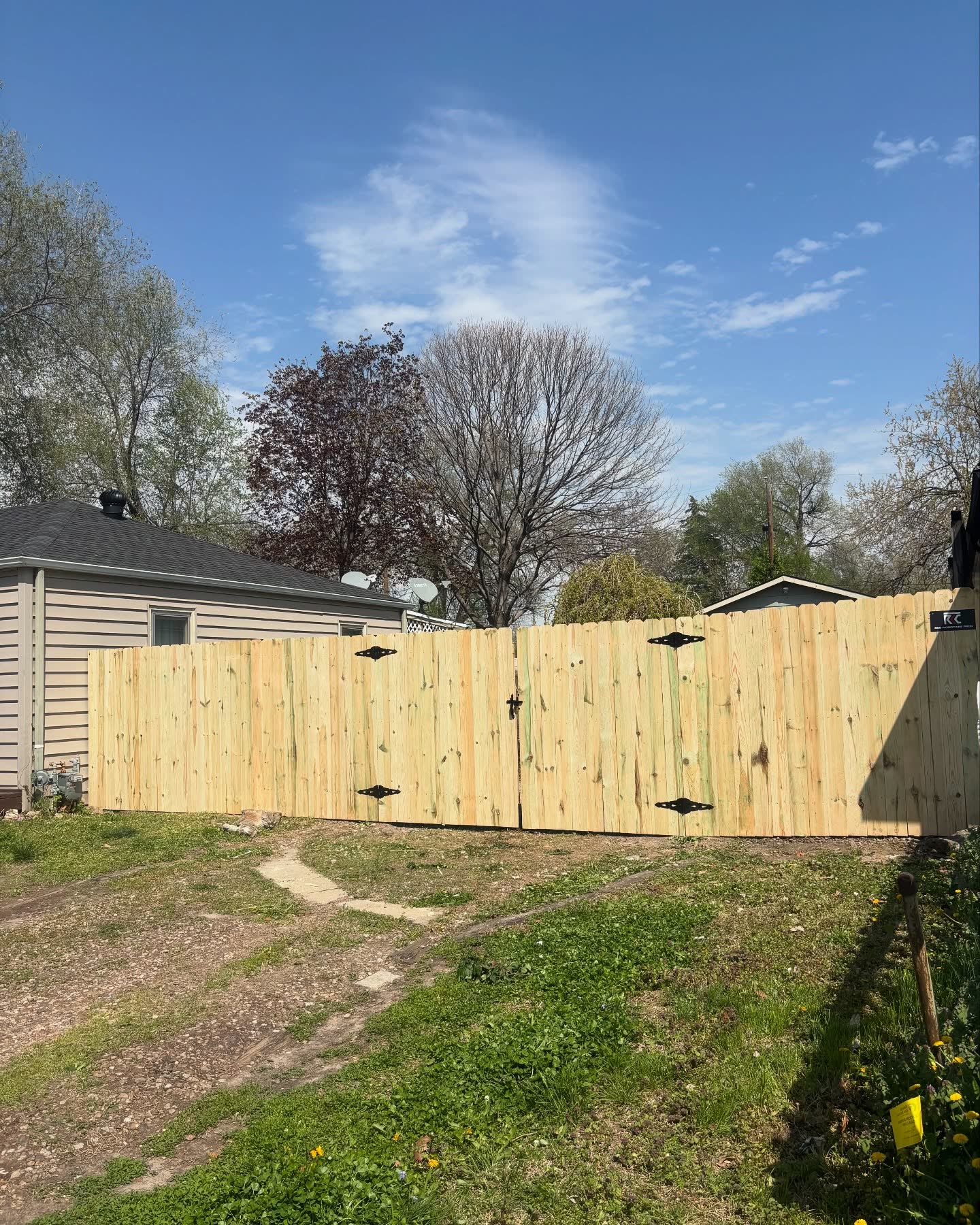
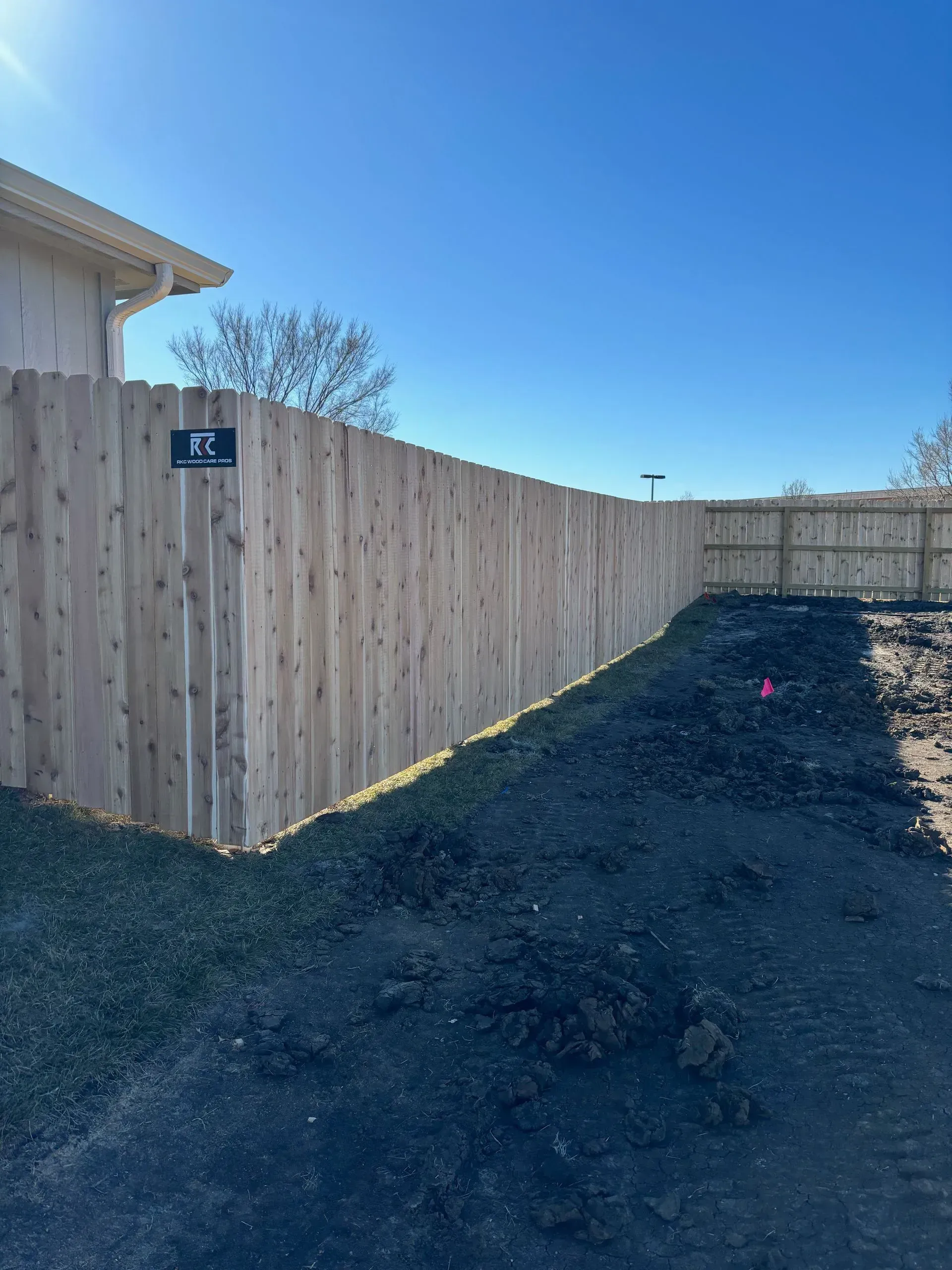
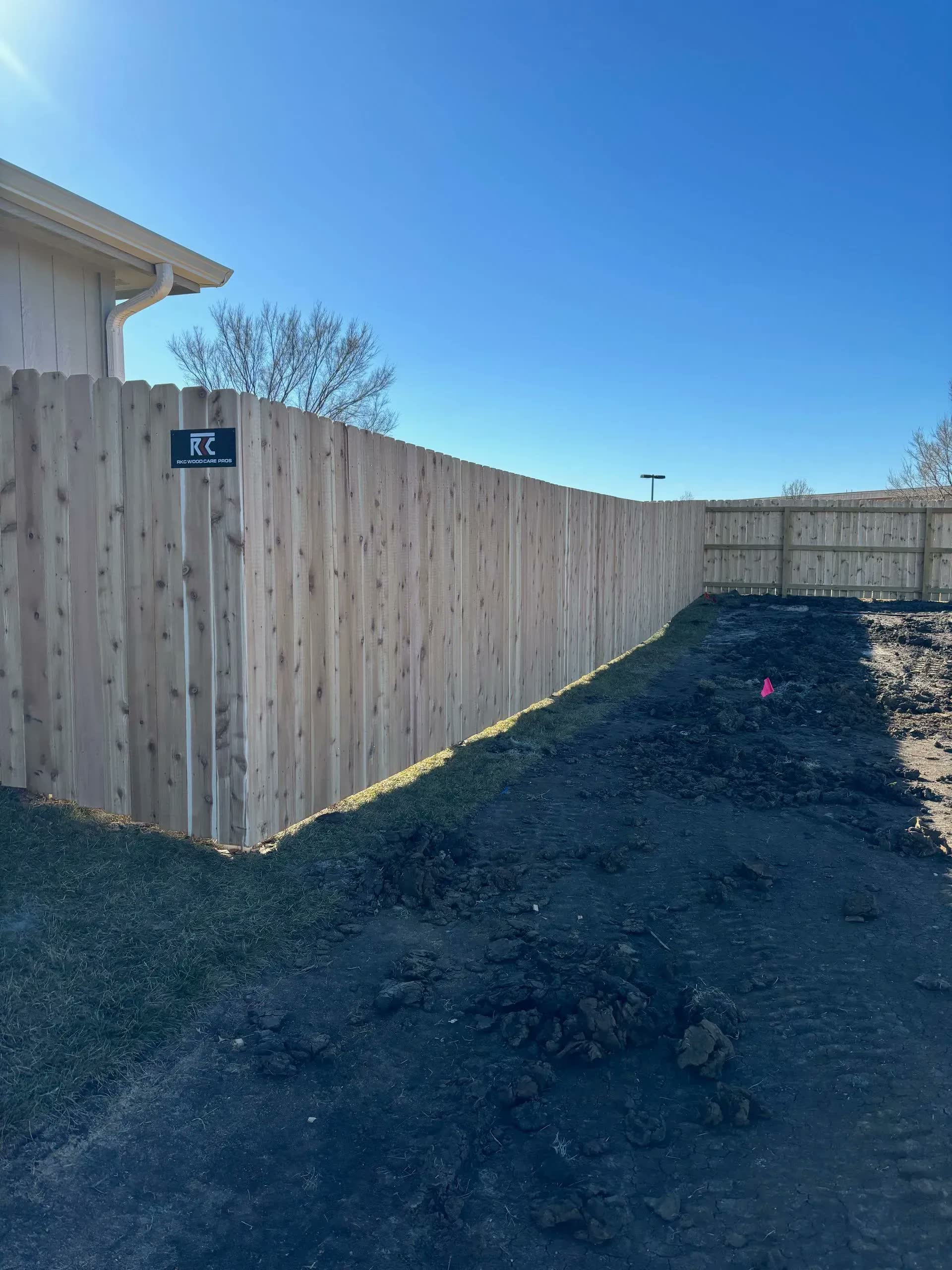
New unstained cedar dog-ear fence in a Kansas City suburban backyard — RKC Wood Care Pros

HOA Submission Process

What does an HOA submission package include?
Every RKC HOA submission includes: (1) panel spec sheet with manufacturer and model, (2) color chip matching the approved list (not a printed photo), (3) elevation drawing showing fence height by zone, (4) lot survey with proposed fence path highlighted, (5) shared-fence neighbor notification letter where required, (6) contractor license and insurance documentation, (7) project timeline. The package is what separates first-submission approvals from rejection loops.
How long does HOA architectural review take?
Most KC metro HOAs commit to a 2–4 week review window. Johnson County HOAs with active boards often turn submissions in 10–14 days. KCMO and some smaller subdivisions can run 4–6 weeks. We schedule submission timing to allow for the full review window plus buffer for any revision requests — no install goes on the calendar until the ARB approval comes in writing.
What happens if my HOA rejects the first submission?
Rejections typically flag a specific item: wrong color, height over limit, material not on approved list, missing neighbor notification. We review the rejection reason, adjust the spec, and re-submit within 3–5 business days. In our experience, RKC HOA submissions clear first review at a very high rate because we check the covenants before we spec — but any required revision is handled in-house at no additional cost.
Does RKC handle the HOA submission or do I?
RKC handles it. We fill out the submission forms, assemble the package, and submit directly to the architectural review board on your behalf. You review the package before submission to confirm everything looks right. Once submitted, we track the status and respond to any ARB questions or revision requests. Your only job is to sign off on the package before it goes and be available for the final walkthrough.

Approved Materials & Colors

How do I find out what fence materials and colors my HOA approves?
Check your HOA covenants first — most Johnson County HOAs publish the approved fence list in their design guidelines. If the guidelines aren't online, request a copy from the property management company or ARB chair. We also maintain reference files on most large KC metro HOA covenants; during the estimate we can often tell you what's approved for your neighborhood within a few minutes.
What's the most common HOA-approved fence in the KC metro?
Cedar privacy fence in a specific approved stain is the most common HOA-approved fence across Johnson County subdivisions — typically 6 feet in the rear, 4 feet in the front, with an approved warm-toned stain (semi-transparent). White or tan vinyl is the second most common. Black aluminum ornamental is universal for pool and front-yard compliance. Raw chain link is almost universally rejected for visible-from-street applications.
Can I match the approved stain color exactly?
Yes. HOA-approved stain colors are usually listed by manufacturer and product name (e.g., 'Cabot Semi-Transparent Oak Brown' or 'Sikkens Cetol SRD Teak'). We apply the exact product in-house as part of the install — never a 'color match' from a different brand. When we do staining in-house, same company, we can also document the product applied for your HOA file.
What if my HOA's 'approved list' is outdated?
Many older HOA covenants list specific fence models that are no longer manufactured. When that happens, the ARB typically has discretion to approve a current equivalent — we supply the spec sheet, the equivalent product specs, and let the board make the call. Pre-clearing a substitute with the ARB before ordering materials is standard on older HOAs.

Common Rejections

What are the most common reasons HOAs reject fence submissions?
In our experience across Johnson County and KCMO HOAs, the top five rejection triggers are: (1) stain or paint color not on approved list, (2) fence height above allowed limit in a specific zone, (3) material not on approved list (often composite or cedar variant), (4) missing neighbor notification for shared property line, (5) front-yard placement exceeding covenant restrictions. All five are avoidable with correct spec and complete package.
Will my HOA reject a chain link fence?
Most Johnson County and KCMO HOAs reject raw galvanized chain link in the front yard or any visible side. Black vinyl-coated chain link (9-gauge) in rear or pool locations passes architectural review in about 60–70% of KC metro HOAs. If your HOA blocks chain link entirely, we can quote ornamental aluminum — similar visual openness, universally approved. Worth running both specs past the ARB so you know your options.
What about non-standard heights — can the ARB grant variances?
Some HOAs allow variances for specific circumstances (elevation differences, corner lots, existing structures). The process usually requires a separate variance request with justification. RKC preps variance requests the same way we prep standard submissions — photo documentation, survey, impact analysis. Not all variances are granted, but the request gets a fair hearing when it's well-documented.
What happens if someone installs a non-compliant fence?
The HOA sends a covenant violation notice, typically with a 30-day cure period. If not cured (corrected or removed), the HOA can assess fines, place a lien, or sue to compel removal. Real scenarios we've walked into: a homeowner installed a fence with a non-approved contractor, got a violation notice, and hired RKC to re-install to spec. It's more expensive than doing it right the first time — but we handle the re-install cleanly.

Shared-Fence & Neighbor

Do I need my neighbor's permission for a shared fence?
Depends on the HOA covenants. Some explicitly require written consent from the adjacent property owner for any fence on or near a shared property line. Others require only notification (a written letter) but no consent. Others are silent and allow unilateral install. We check your specific covenants and handle the required notification process — a standard letter, delivery confirmation, and consent form if required.
What if my neighbor refuses to sign a shared-fence agreement?
If the covenants require consent and the neighbor refuses, your options are typically: (1) install fully on your side of the property line (setback from the exact line by 6–12 inches), (2) request an HOA variance, (3) walk away from the project. If the covenants require only notification and not consent, a refusal doesn't block the install — you comply with the notification, document the response, and proceed.
How do property line setbacks work in HOA installs?
HOA covenants typically require 6–12 inches inside the property line for 'private' (single-neighbor) fences, or directly on the line for 'shared' fences with neighbor consent. City setbacks also apply (sidewalk, alley, easement). We pull the plat, confirm the property line location, measure setbacks, and mark the fence path before installation. Surveyor-confirmed line markers are used on any install where the exact line matters. For a full guide to KC property line rules before you install, see our Kansas City property line and fence guide.
Can I split fence costs with my neighbor?
Yes, and we've handled this many times. When two neighbors jointly install a shared-line fence, we bill them as co-signers on a single invoice — each pays their agreed share (usually 50/50). If one neighbor finances, the other pays cash, we can split the contract. A written cost-sharing agreement between the neighbors (short and simple) protects both parties and satisfies most HOA documentation requirements.

Ready when you are

Get a free estimate — we usually respond the same day.

Call (913) 286-1091