What commercial fencing do Lee's Summit businesses usually need?
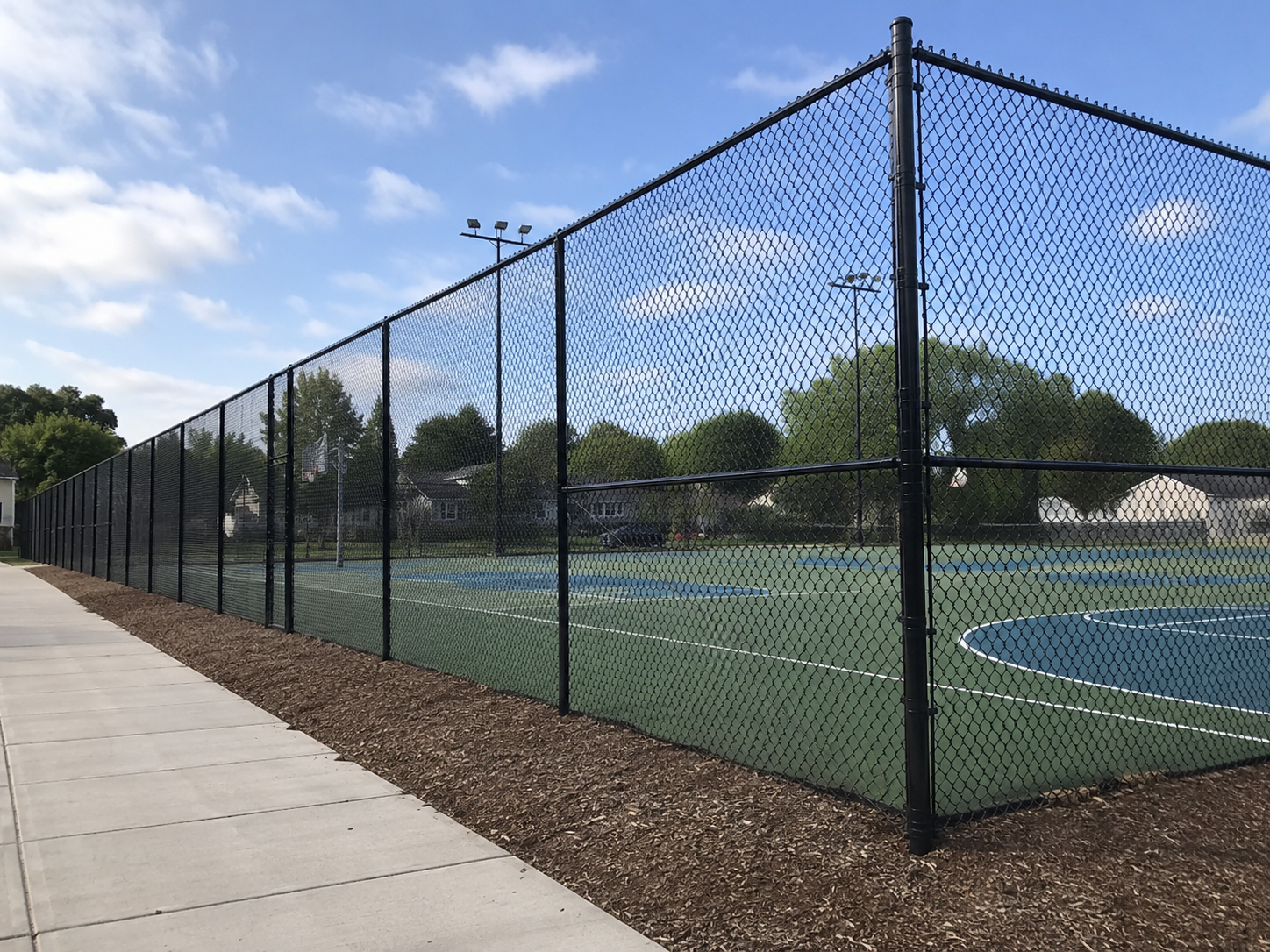
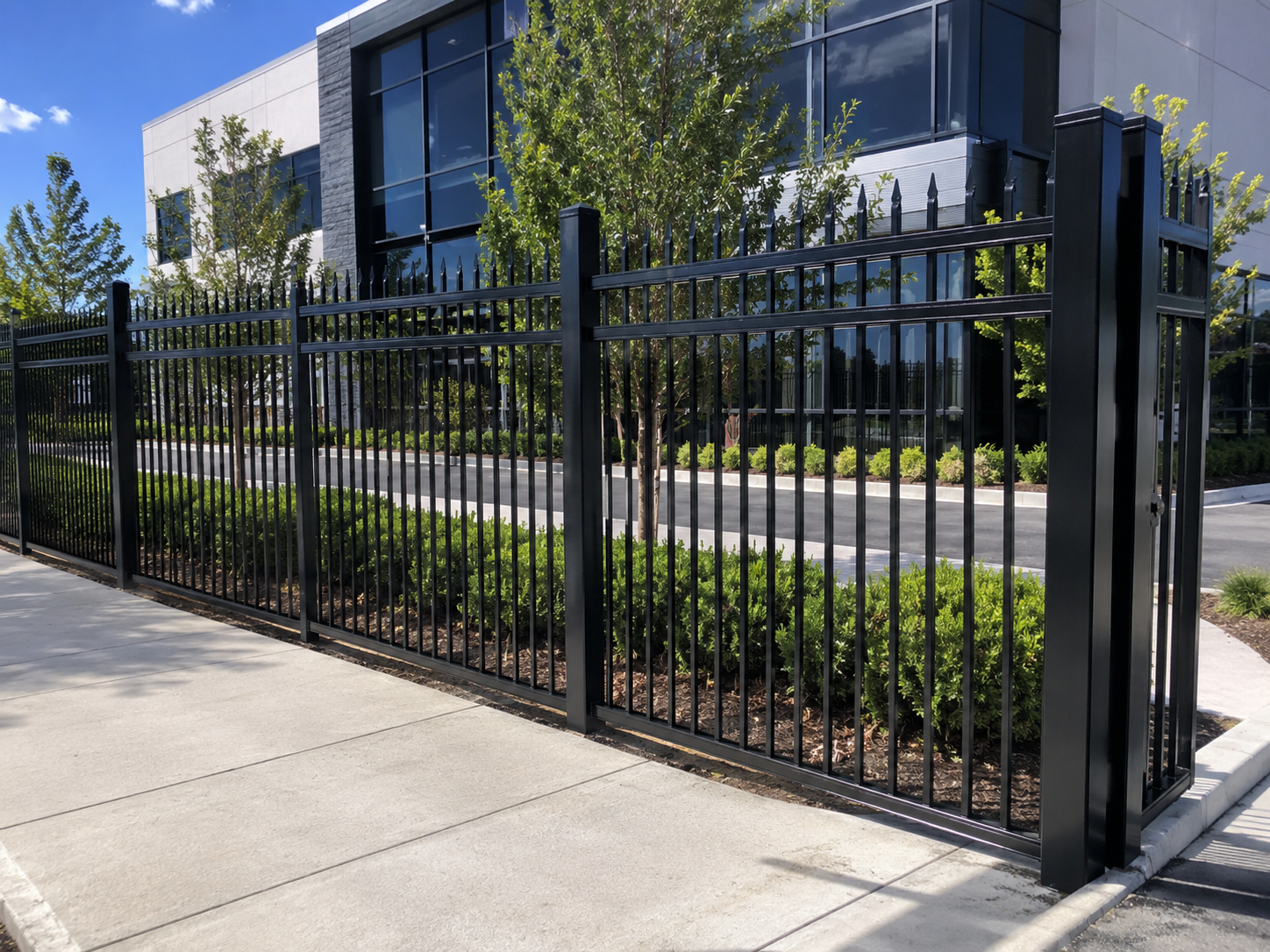
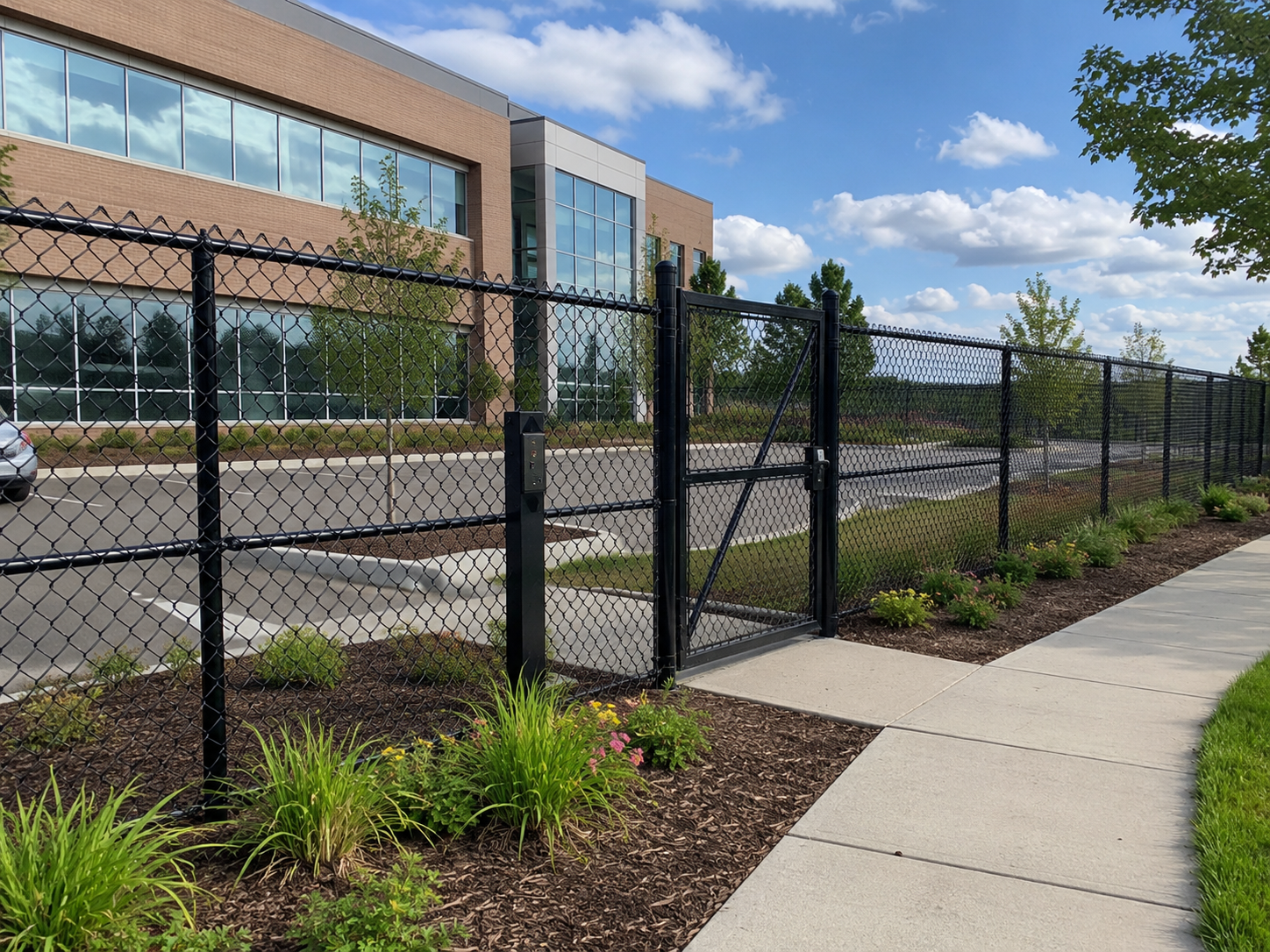
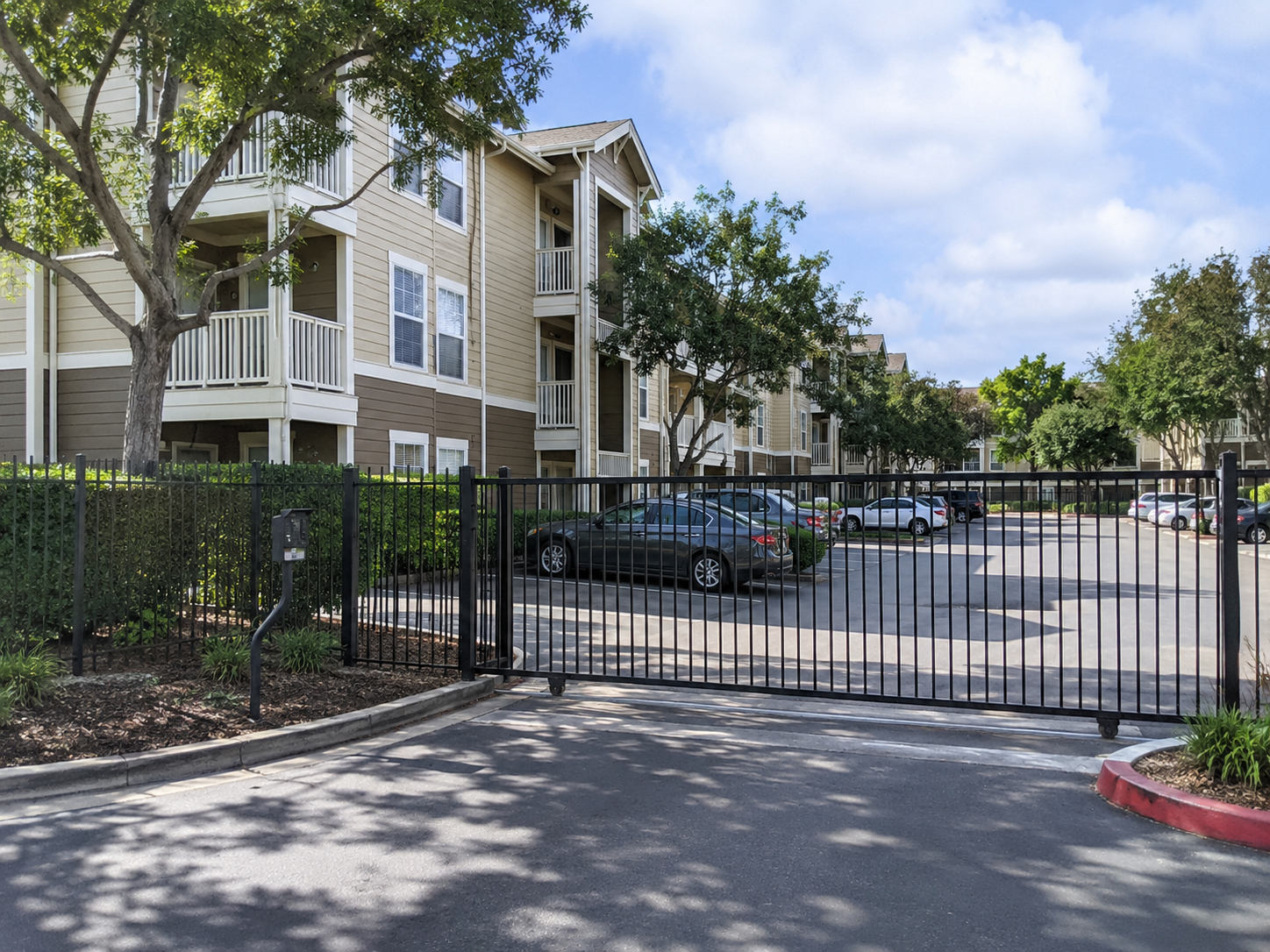
The mix here skews institutional, so it splits by how public the line is. The healthcare campuses around Saint Luke's East, the emerging Innovation Park, and the Summit Woods retail center mostly want ornamental steel or aluminum at the street — a barrier that reads as a modern, orderly campus, because this market notices the frontage. Behind those buildings, and on the working yards pushing out toward Greenwood, the call is commercial-gauge chain link, often with an anti-climb top, where security beats appearance. A single property often needs both, plus a screened enclosure for dumpsters and mechanicals. We spec each run to the site rather than to a catalog.
How do you keep a Lee's Summit hospital or office campus open during the install?
By staging the work so the campus never loses access. On a healthcare or business-park site, patients, staff, and deliveries can't stop for a fence crew — so before we mobilize we map the flow with your facilities contact: which entrance stays live, where crews stage, when the loud work happens. The build then goes in stages — posts set and cured, then panels, then gates and hardware — with the old access usable until each new gate hangs and latches. A gap is never left open at close, and the campus keeps running around the work.
Can the gates be set up for badge or keypad access control?
Yes. The vehicle and pedestrian gates we build are framed and hung to carry access-control hardware — a keypad, a card reader, or a controller your security vendor supplies and ties in. We handle the fence and the gate structure, the heavy hinges, and the posts sized to hold a powered or manual leaf square for years; the electronic controls are coordinated with whoever manages your system. That keeps the mechanical side — the part that has to stay plumb and latch true — with the fence contractor, and the wiring with the specialists.
How deep do commercial fence posts go, given the Lee's Summit clay?
Further down than a backyard fence, and the clay is the reason it has to be. A home line rests on a 36-inch footing, barely below the frost depth. Step up to a 6-foot commercial run and the footing grows to around 42 inches; 8-foot runs and any gate post reach four feet or beyond in a wider pour. Height is the driver — a tall perimeter acts like a sail and the clay grabs anything set shallow — so the added embedment isn't gold-plating, it's what stops a long line from tipping out of true after a season or two. Along a lake edge we also step the line back from a bank that's washing.
Do you work with Lee's Summit property managers, facilities directors, and GCs?
All the time — they route a lot of this work to us. We're licensed and insured in both Missouri and Kansas, and we turn over the documents a vendor file expects: a signed W-9, an up-to-date insurance certificate, and billing broken out to mirror the approved scope line for line. When the job closes we walk it with whoever owns the site and log anything still outstanding on paper, so a hospital, office, or retail project signs off cleanly rather than trailing loose ends.
What does commercial fencing cost in Lee's Summit?
It rides on the system, the height, the gauge, and the gate count — an ornamental hospital frontage, an 8-foot anti-climb yard, and a slat dumpster screen are three separate numbers, so a flat per-foot quote over the phone wouldn't hold up. Every proposal is itemized so you can see what drives it — gauge, height, footage, gates — and the on-site visit is free. We spec to what the site actually requires rather than padding it to a template or stripping it to win on price.