What kind of commercial fencing do Overland Park businesses usually need?
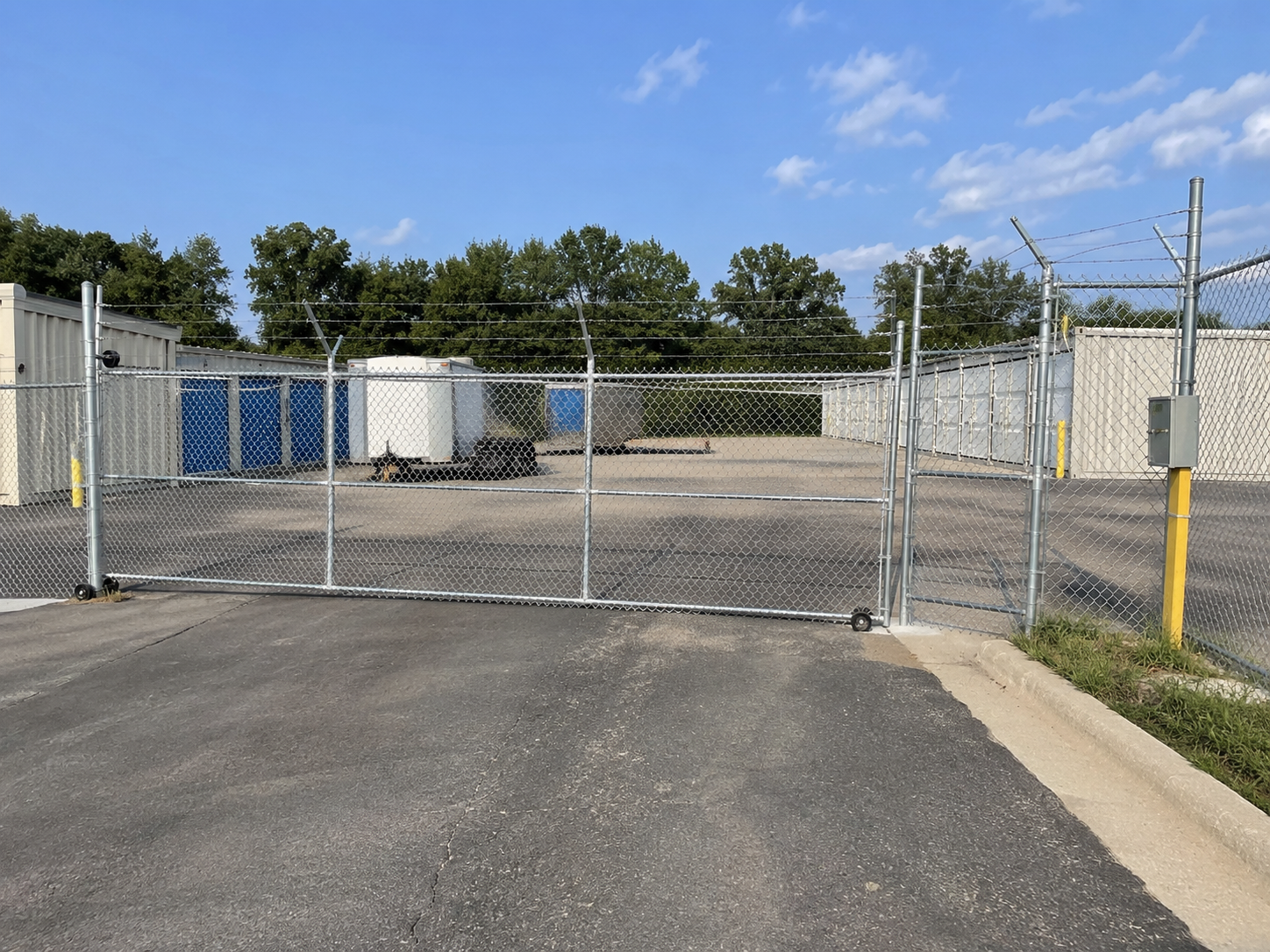
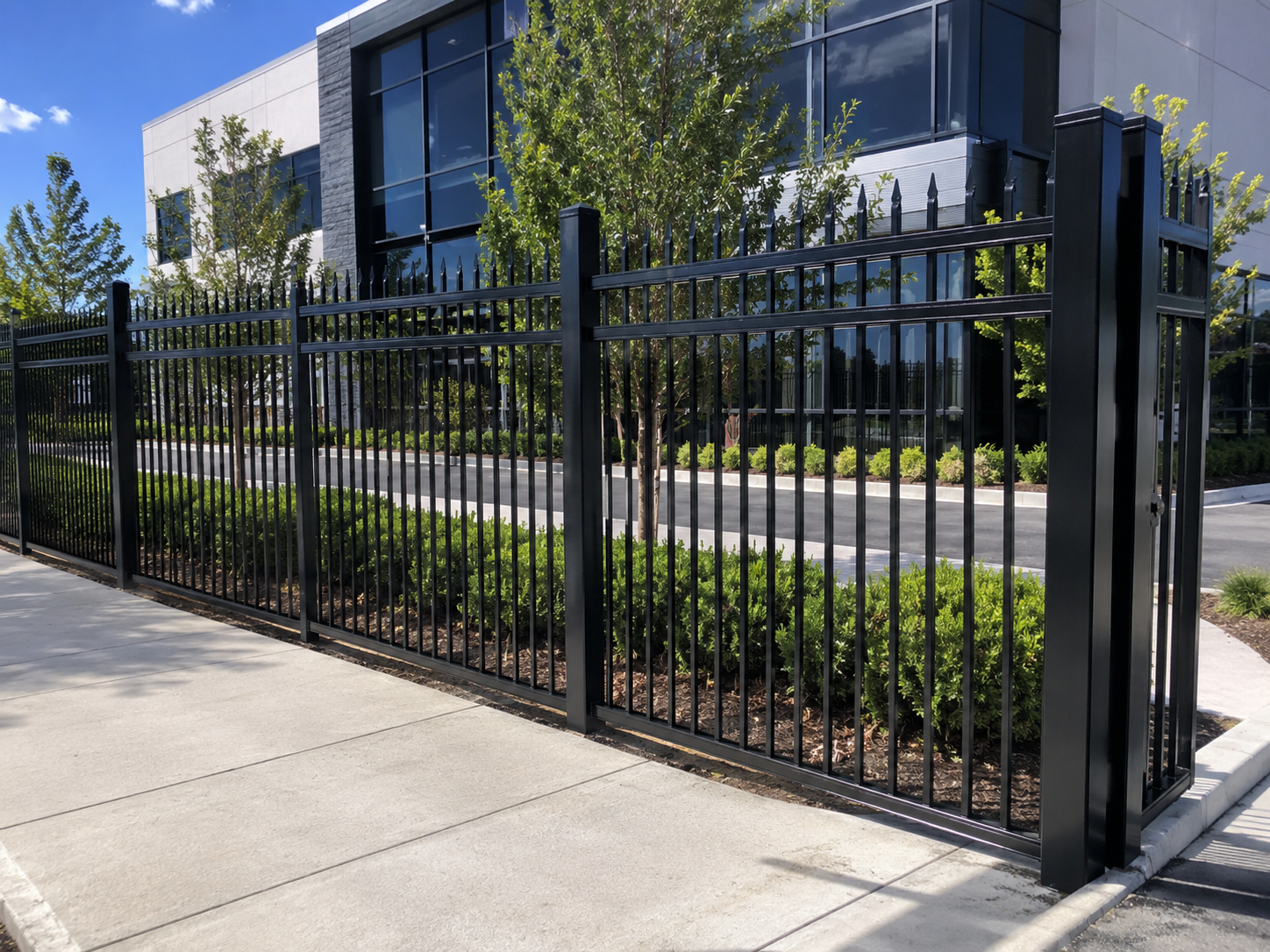
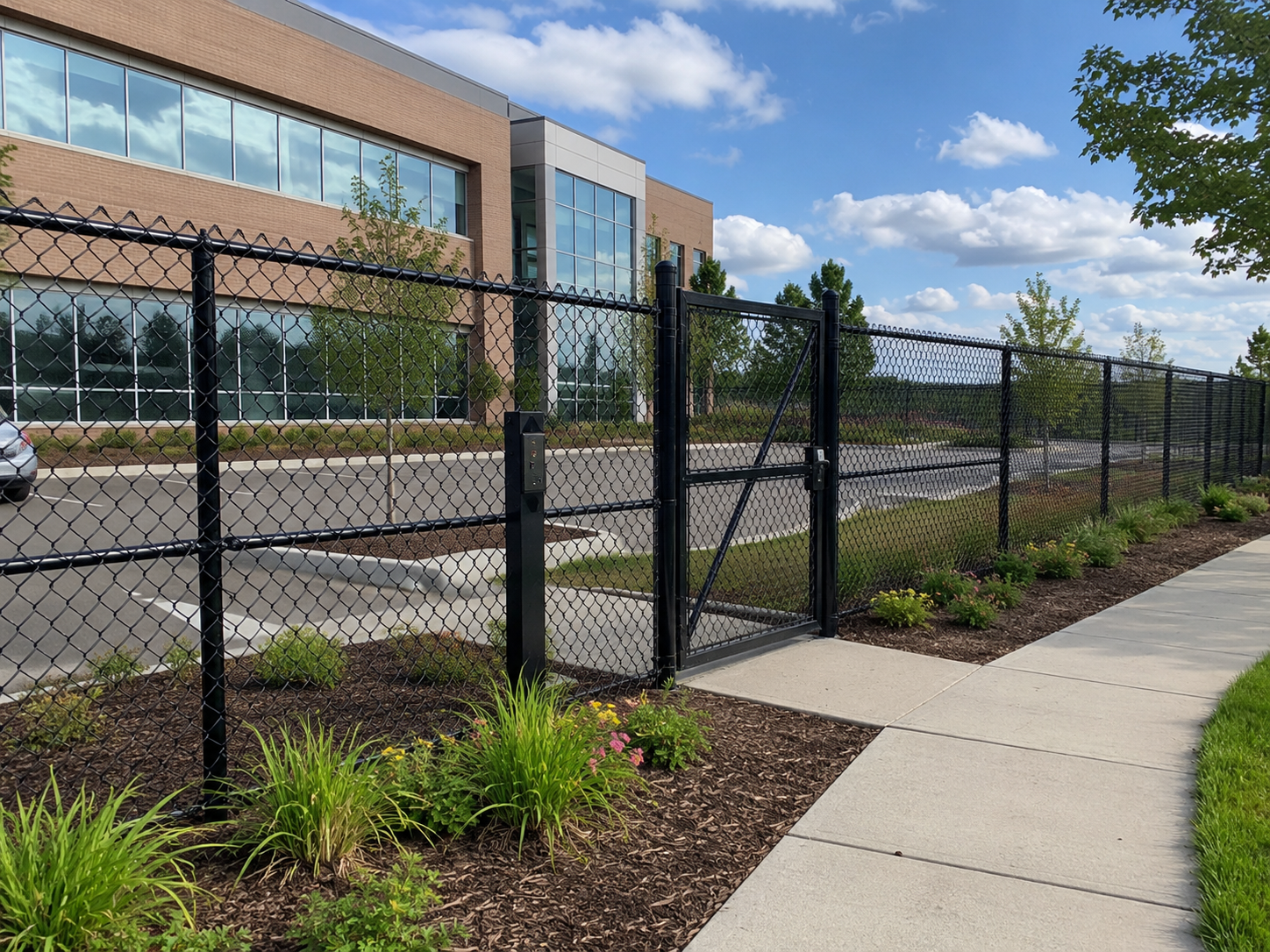
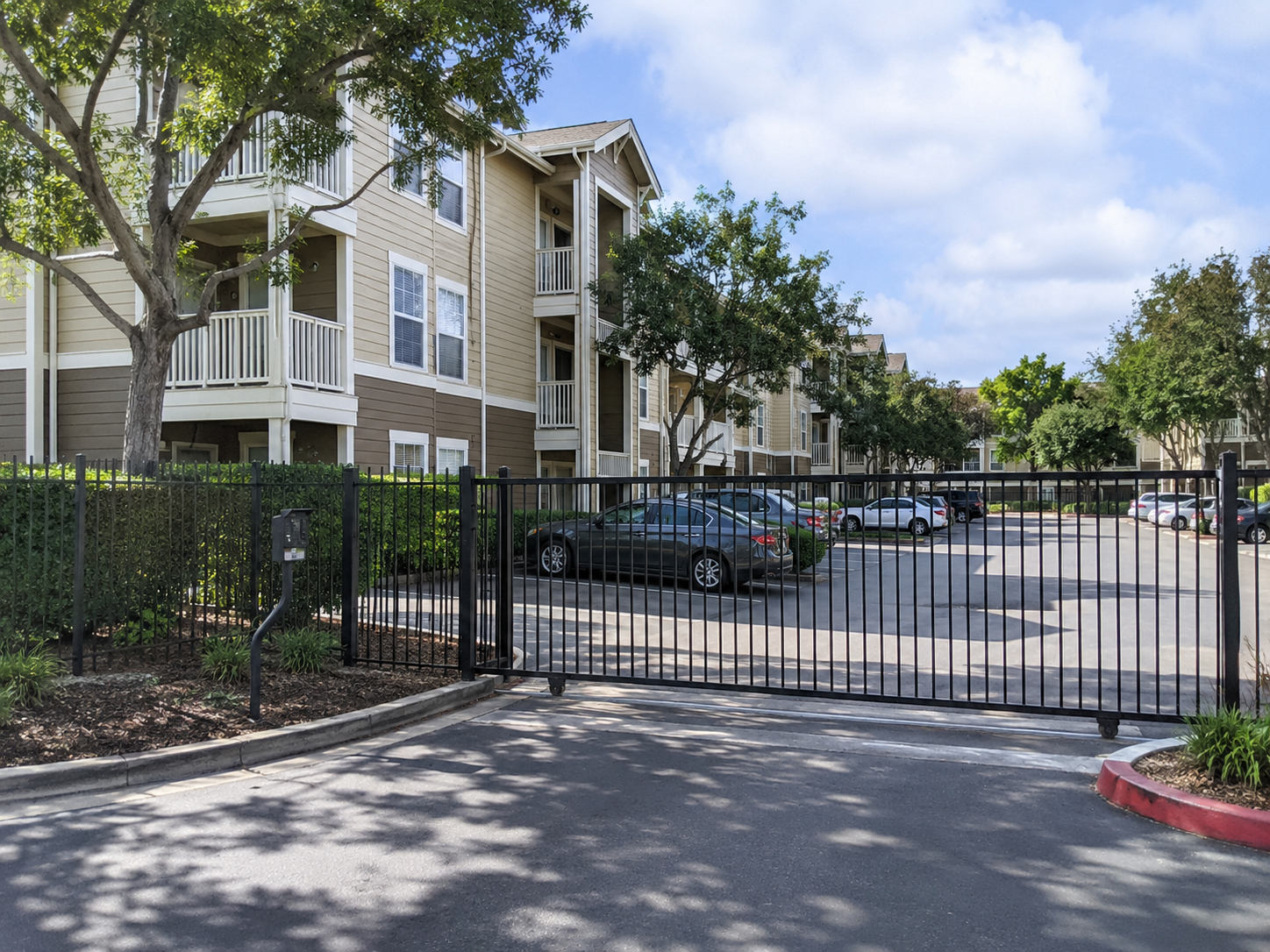
It splits by the site. The office-park corridor around Corporate Woods and the retail strips along 135th and 151st mostly want ornamental steel or aluminum security — a barrier that reads as architecture at the street, because in an affluent suburb the frontage is part of the presentation. Working yards and the laydown sites on the southern growth edge toward 199th want commercial-gauge chain link, often with an anti-climb top, where function beats looks. A single property sometimes needs both: ornamental at the customer face, slat screening at the service side. RKC spec's each run to the site rather than to a catalog.
When is ornamental the right call over chain link for an Overland Park site?
When the public sees it. Schools, office parks, apartment entries, and any frontage along a main road like Metcalf, 135th, or 151st get ornamental steel or aluminum because it looks finished, not fortified — and this market notices. It's low-maintenance too: no staining, no sealing, and on aluminum no rust to manage. Chain link is the right call behind the building and on the working perimeter — storage, laydown, and industrial lines where security matters more than the look. When a site is ambiguous we quote both with a clear recommendation instead of defaulting to the cheaper material.
How deep do commercial fence posts go, given the Overland Park clay?
Deeper than a home fence, and the Wymore-Ladoga clay is why it matters so much. A house fence sits on 36-inch posts, just past the frost line. A 6-foot commercial line steps up to 42 inches, and 8-foot runs and the gate posts reach 48 inches or beyond on wider concrete footings. The taller the fence, the more wind it catches and the more leverage the clay gets on a post as it grips and lifts through 80-plus freeze-and-thaw swings each winter — so the extra embedment isn't over-engineering, it's the only thing that keeps a long line from walking out of plumb by its second season.
Can you phase a commercial install so an Overland Park site stays open?
Yes, and for most of our commercial clients that's the whole ballgame. We break the build into stages rather than one marathon push: the posts go in and set hard first, the fabric or panels follow once that concrete has cured, then hardware and gates, then a final pass. Around all of it we work to your rhythm — when trucks arrive, where crews park, which entrance has to stay live — mapped out with your on-site contact before we mobilize. The result is a site that keeps trading while its new perimeter goes up, never a lot fenced shut mid-day.
Do you work with Overland Park property managers and general contractors?
Constantly — facilities directors, property managers, and GCs send us a big share of the commercial book. We carry licensing and insurance in both Kansas and Missouri, and we hand over whatever your accounts-payable and compliance files ask for: a W-9, a current certificate of insurance, and invoices itemized to match the scope you signed off on. At close-out we walk the line with your contact and write down any remaining punch items so nothing lingers unresolved on the final bill.
What does commercial fencing cost in Overland Park?
It depends on the system, the height, the gauge, and the gate count — a 9-gauge chain-link working perimeter, an 8-foot anti-climb line, and an ornamental office-park frontage are three very different numbers, which is why we don't quote a flat per-foot figure sight-unseen. Every proposal is itemized so you can see exactly what drives it — gauge, height, footage, and gates all broken out — and the on-site site visit is free. We spec to what the site actually needs rather than padding it to a template.