Skip to content
Chain Link Fence Installation in Greenwood, MO — Discreet Back-Acre Runs, Braced Terminals & Deep-Set Posts

Chain Link Fence Installation in Greenwood, MO — Discreet Back-Acre Runs, Braced Terminals & Deep-Set Posts

On Greenwood's quiet semi-rural acres, chain link is the discreet workhorse — a kennel, a garden ring, or a dog run kept out back and built tight enough to disappear into the landscape. Cedar privacy and black ornamental iron front the homes here, and we're straight that chain link isn't the street fence — its place is the working back of a half-acre lot. The soil is deep, expansive clay, and post stability in it is the number-one fence problem, because a chain-link run's whole tension pulls back to the terminals: let a corner drift in the swelling clay and the fabric goes slack across the span. So we set every post a full 36 inches down and truss-brace the terminals, then draw the mesh drum-tight against them. Want the country-property look the acreage invites? We back ranch rail with welded wire. RKC installs and repairs every type of fence — wood, vinyl, chain link, ornamental iron, aluminum, and commercial security — plus gates and in-house staining. Built for Every Storm. 400+ fences installed since 2021.

★★★★★
4.9
from 85 reviews
Licensed
& Insured · KS + MO
400+
fences installed
A+ BBB Rated 400+ Fences Installed Since 2021 Kansas City Fence Contractor Free On-Site Estimates
Browse chain link options ↓

WHERE CHAIN LINK BELONGS ON A GREENWOOD ACRE

The Discreet Working Fence for a Semi-Rural Enclave

1

The discreet workhorse on a semi-rural acre

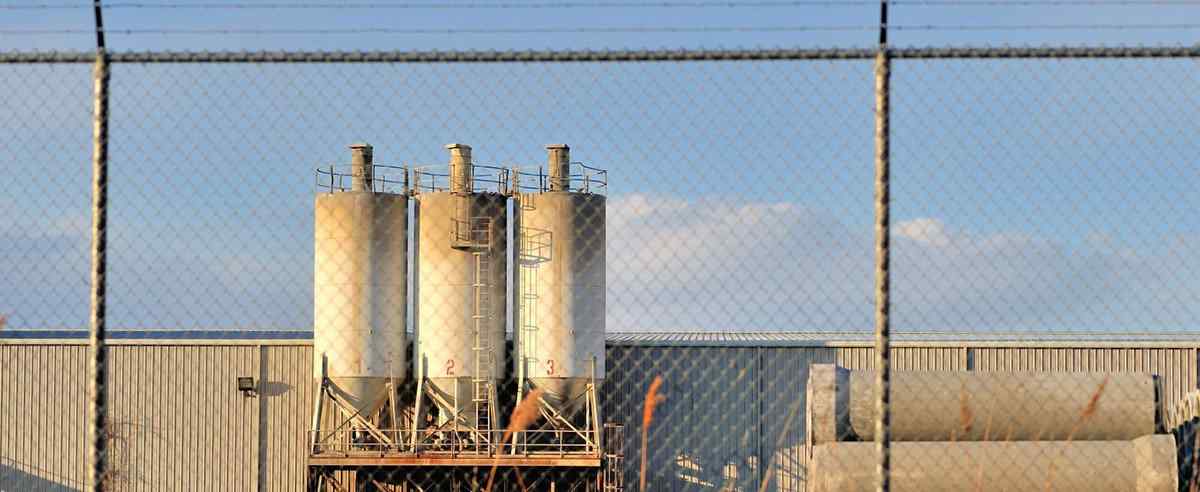
Greenwood is a quiet, semi-rural enclave where cedar privacy and black ornamental iron front the homes — we're straight that chain link isn't the street fence here. Its place is out back, on the acreage: a kennel, a garden enclosure, a dog run, an equipment corral kept well away from the road. On a half-acre or larger lot there's room to put a genuine working fence where it does its job without touching the polished front of the property. Built clean and tight, it's the utility line an enclave homeowner never has to look at or think about.
2

A tight, honest line that belongs on a nice lot

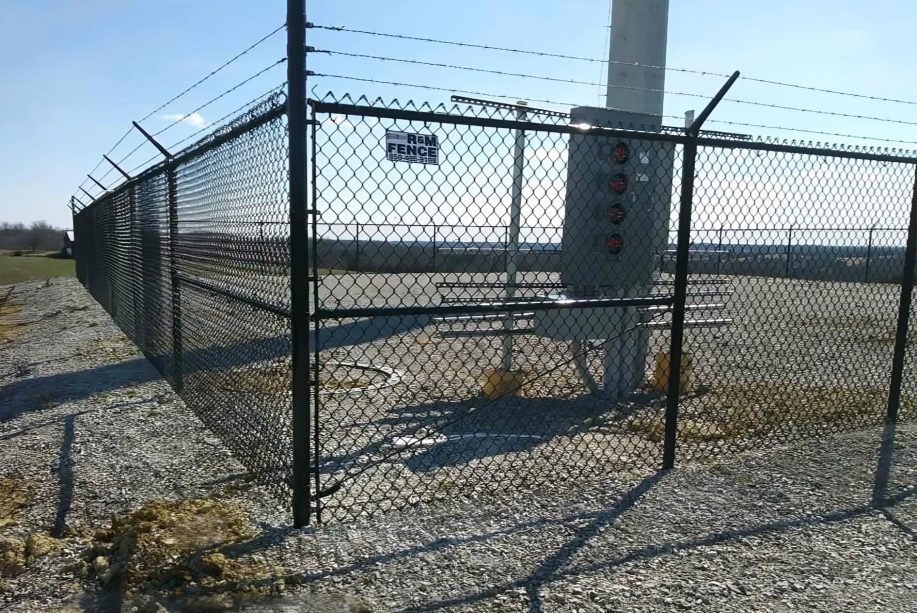
The difference between a chain-link fence that looks cheap and one that belongs on a Greenwood property is entirely in the build. Dead-plumb posts on an even line, fabric pulled drum-tight with no sag or wave, terminals braced and seated clean, selvage knuckled smooth — done right, a utility fence reads as deliberate rather than an afterthought. We build the back-acre run to that standard because on a lot like this, a loose, leaning fence stands out, and a taut, square one simply disappears into the landscape and does its work.

3

The farm-rail look the semi-rural setting invites

Part of Greenwood's appeal is the semi-rural feel — bigger lots, a little breathing room, a nod to the area's old rail-town roots. On the larger acreage a two- or three-rail white ranch fence backed with welded wire fits that setting: it carries the country-property look while a bare split rail lets a dog walk straight through. The welded mesh turns it into a real barrier without giving up the open, agricultural character the enclave is built around. It's the fence that matches an acre in Greenwood and still holds the animal.

4

Set 36 inches deep in Greenwood's deep, shifting clay

Greenwood's soil is deep, expansive clay that swells wet and shrinks dry, and post stability in it is the number-one fence problem here. A shallow terminal drifts as the clay moves, and once a corner drifts the whole run of fabric goes slack. The fix is depth and bracing: every post drops a full 36 inches below the frost line in concrete, and the terminals get belled and truss-braced so they hold the pull. RKC gives a back-acre utility fence the same footing standard as any premium install — the Kansas City fence contractor whose 'Built for Every Storm' is a spec, not a slogan.

TENSION, SHIFTING CLAY & A CLEAN FINISH

What Greenwood's Shifting Clay Means for Your Chain Link

1

A drifted terminal is what slackens a chain-link line

Unlike a wood fence that fails board by board, a chain-link run lives or dies on its tension, and the tension all pulls back to the terminal and corner posts. In Greenwood's deep, shifting clay that's the weak point: if an end or corner post wasn't set deep enough or braced hard enough, the expanding and contracting soil slowly walks it out of plumb, and the moment it drifts, the whole span of fabric goes slack and starts to wave and bag. It's not the fabric that failed — it's the anchor. We set terminals a full 36 inches down and truss-brace them so the pull has nothing to give against.

2

Discreet by design — the back of the property, done clean

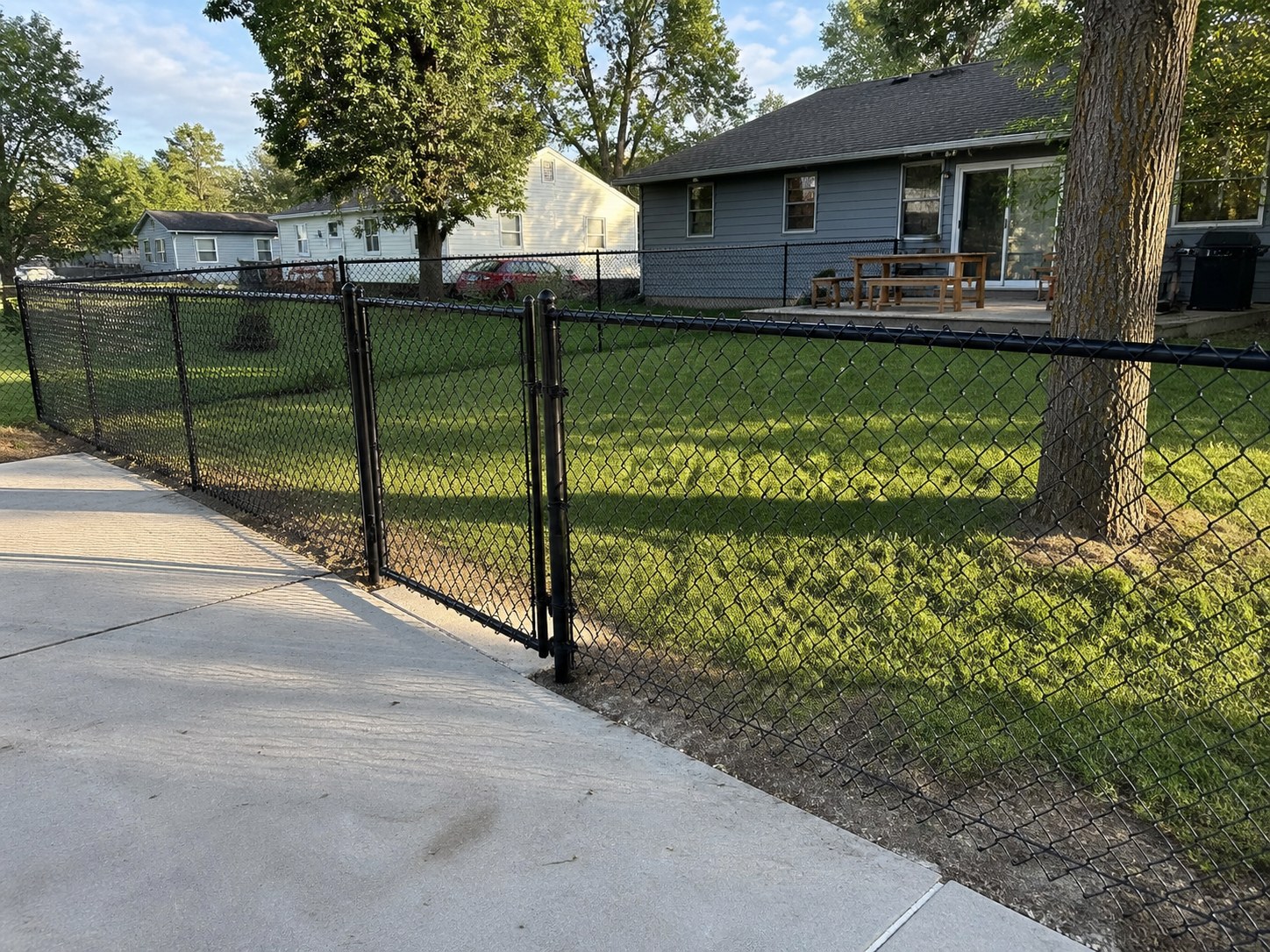
On a Greenwood lot the fence's job is to work without being seen from the front. We plan the run for the back of the property — a kennel, a garden ring, a dog line along a tree edge — and build it to a standard that lets it recede: an even line, taut fabric, terminals seated into the planting, black coat where it should vanish against a hedge or a treeline. The point on an enclave lot isn't to hide that there's a fence; it's that a properly built utility line reads as part of the landscape rather than something added on.

3

Galvanized where it works, black where it disappears

Bare galvanized is the honest working wire — right for a kennel, an equipment corral, or a back line where cost is the story and nobody's looking from the house. A black PVC coat runs $3 to $6 more a foot and earns it where a run sits against a hedge, a treeline, or a landscaped edge: the dark mesh recedes to a near-invisible line where silver would read as utility fence, and it seals the steel against the clay's moisture. On a Greenwood lot where the run shares a sightline with the yard, black is the usual pick. Same steel and the same deep, braced posts under either.

WHICH FINISH FOR A GREENWOOD ACRE

Galvanized or Black-Coated on a Greenwood Property?

The steel and the deep, braced footings are identical between them — the coating is the whole call, and on an enclave lot it comes down to whether the run is hidden working line or shares a sightline with the yard. Galvanized keeps the cost down on a kennel or a back corral; a black jacket vanishes against a hedge or a treeline and seals the wire against the clay's moisture. Both ride the same 36-inch braced posts. Here's each against the Greenwood runs it suits.

On a Greenwood lotGalvanizedBlack Vinyl-Coated
A 250-ft back-acre run, hung$3,000–4,500 — the working-line floor on an acre$3,750–5,500 once the $3–6 coat is added; slat-ready
Where it fits in GreenwoodKennels, corrals, back lines out of sightRuns against a hedge, treeline, or landscape edge
How the shifting clay wears it20–30 years; the base pits first where water sits25–35 years; the coat seals the wire at grade
How it reads on a nice lotPlain silver — honest, best kept off the sightlineNear-invisible dark line against a hedge or trees
Pick it whenThe run is hidden working line and cost rulesIt shares a sightline with the landscaped yard

Short version: galvanized on the hidden kennels and corrals, black where the run sits against the landscape, ranch rail where the acre wants the country look. If a solid cedar or vinyl screen is the goal out front — the enclave standard — price it on the metro privacy fencing page. Either way it comes back on one written estimate with the numbers laid out to compare.

A TIGHT, CONTAINED LINE ON SHIFTING CLAY

Holding a Greenwood Line the Clay Can't Slacken

Greenwood chain link mostly runs a kennel or a dog line on the back of an acre — and doing that on deep, shifting clay, where a drifted anchor slackens the whole span, is where the install has to be right. Four things decide whether the run stays tight and holds, and the gauge of the wire is only where the list starts.

Braced terminals so the line stays drum-tight

Containment on a chain-link fence is tension, and tension all pulls back to the terminal and corner posts. On Greenwood's shifting clay those anchors are the whole game: set one shallow or under-braced and the swelling, shrinking soil walks it out of plumb, slackening the fabric across the entire span. We set terminals a full 36 inches down and truss-brace them so there's nothing for the pull to give against. A slack, waving fence hands a dog a way through; a drum-tight one on braced anchors holds — and it holds its clean look, too.

Depth against the swell-and-shrink

Post stability is Greenwood's number-one fence problem, and it traces straight to the deep, expansive clay. A post set too shallow gets levered a little further out of plumb every wet-dry cycle until the line leans and the fabric goes loose. We reach a full 36 inches on every post, below the frost line and well into the ground that stays put, and crown each footing to shed water. Depth is the difference between a line that's still square and tight at year ten and one that's drifting by year three on the same acre.

Height and gauge sized to the animal

Once the line holds tension, containment is height and gauge. Nine-gauge is the residential wire for a dog that leans and digs; the light 11-gauge is a garden pick, not a real dog fence. Four feet holds most breeds, five or six for a jumper, and a bottom tension wire pins the fabric hard to grade so nothing worms under along a long back-acre run. We size the wire and the height to the animal you're keeping in, on posts and terminals set to hold the tension that makes the whole thing work.

The ranch-rail acre, backed with wire that holds

On the larger semi-rural lots, a bare two- or three-rail fence carries the country-property look but lets a dog slip between the rails. We back the rails with welded wire mesh, so you keep the open, agricultural profile the acre invites and get a real barrier underneath. It's the containment answer for the enclave's rural character — not a bare wire run, not a solid wall — with the posts set 36 inches deep in the shifting clay, belled and braced, so the rails and the wire both stay true through the wet-and-dry swing.

THE RUNS WE PUT UP

Chain-Link Builds for a Greenwood Property

9-Gauge Galvanized Residential by RKC Wood Care Pros in Greenwood, MO

9-Gauge Galvanized Residential

The back-acre kennel and dog run

Four- or six-foot galvanized fabric on braced corners — the honest working fence for a kennel, garden ring, or dog run on the back of a Greenwood acre. The terminals anchor deep and hard so the fabric holds tension in the shifting clay, the line runs dead-plumb, and a bottom tension wire pins the mesh to grade. It's the utility line kept well away from the polished front of the property, built tight enough to disappear into the landscape. Every post drives a full 36 inches into the clay, so the run stays square where a shallow one drifts and slackens.

  • Price: $12–18/LF installed
  • Lifespan: 20–30 years
  • Maintenance: Occasional tension-wire retightening
Black Vinyl-Coated 9-Gauge by RKC Wood Care Pros in Greenwood, MO

Black Vinyl-Coated 9-Gauge

Where the run should vanish into the landscape

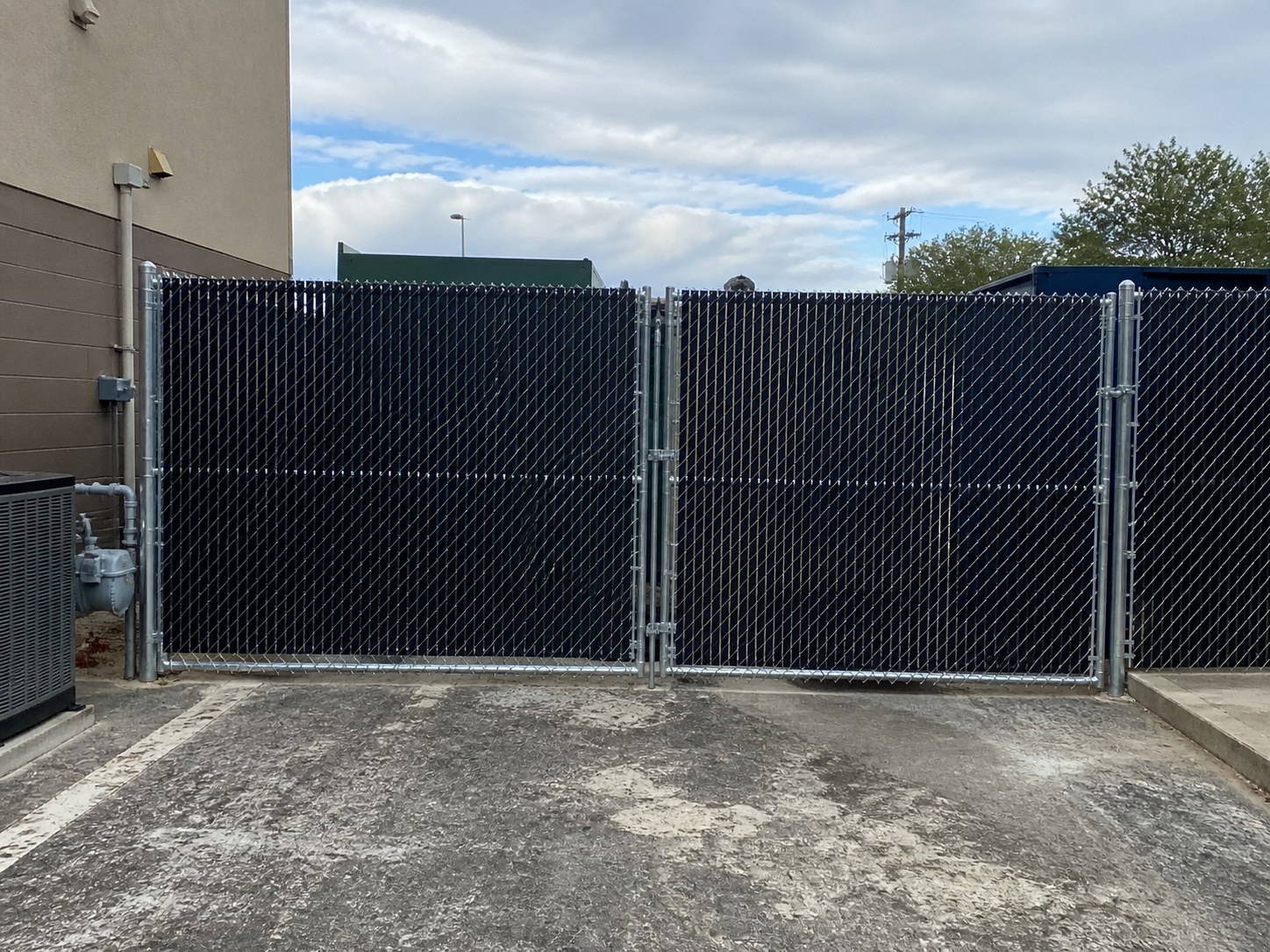
A 9-gauge core sealed under a black PVC coat — the pick where a Greenwood run sits against a hedge, a treeline, or a landscaped edge. The dark mesh recedes to a near-invisible line where bare silver would read as utility fence, and the coat locks water off the wire against the clay's moisture. It'll take privacy slats later if a run needs screening. Brown and green cost the same; black is the usual pick on an enclave lot where the fence shares a sightline with the yard. Same deep, truss-braced terminals as the galvanized line underneath.

  • Price: $15–22/LF installed
  • Lifespan: 25–35 years
  • Maintenance: Soap-and-water rinse
White Ranch Rail with Welded Wire by RKC Wood Care Pros in Greenwood, MO

White Ranch Rail with Welded Wire

The country-property look on the acreage

For the larger Greenwood lots that suit the semi-rural, old-rail-town character, we build a two- or three-rail white ranch fence backed with welded wire mesh. You get the country-property profile the acreage invites, and the welded wire makes it a real barrier a dog can't slip between the rails. It's the fence that matches a Greenwood acre without the utilitarian look of bare chain link, and the posts still go a full 36 inches into the shifting clay, belled and braced, so the rails and the wire both hold true through the seasons.

  • Price: $16–26/LF installed
  • Lifespan: 20–30 years
  • Maintenance: Occasional rail check; wire retension
6-Gauge Commercial by RKC Wood Care Pros in Greenwood, MO

6-Gauge Commercial

School and small-institution perimeters

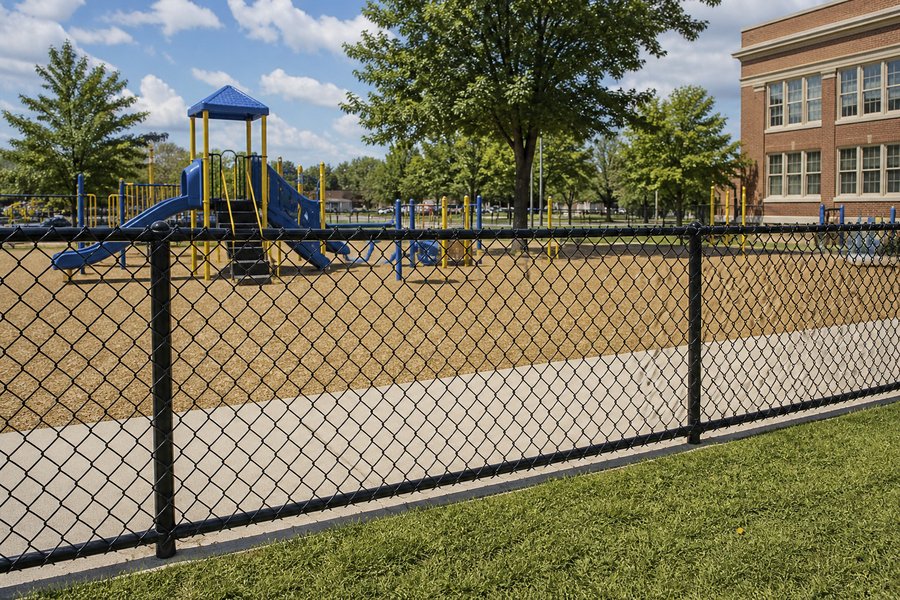
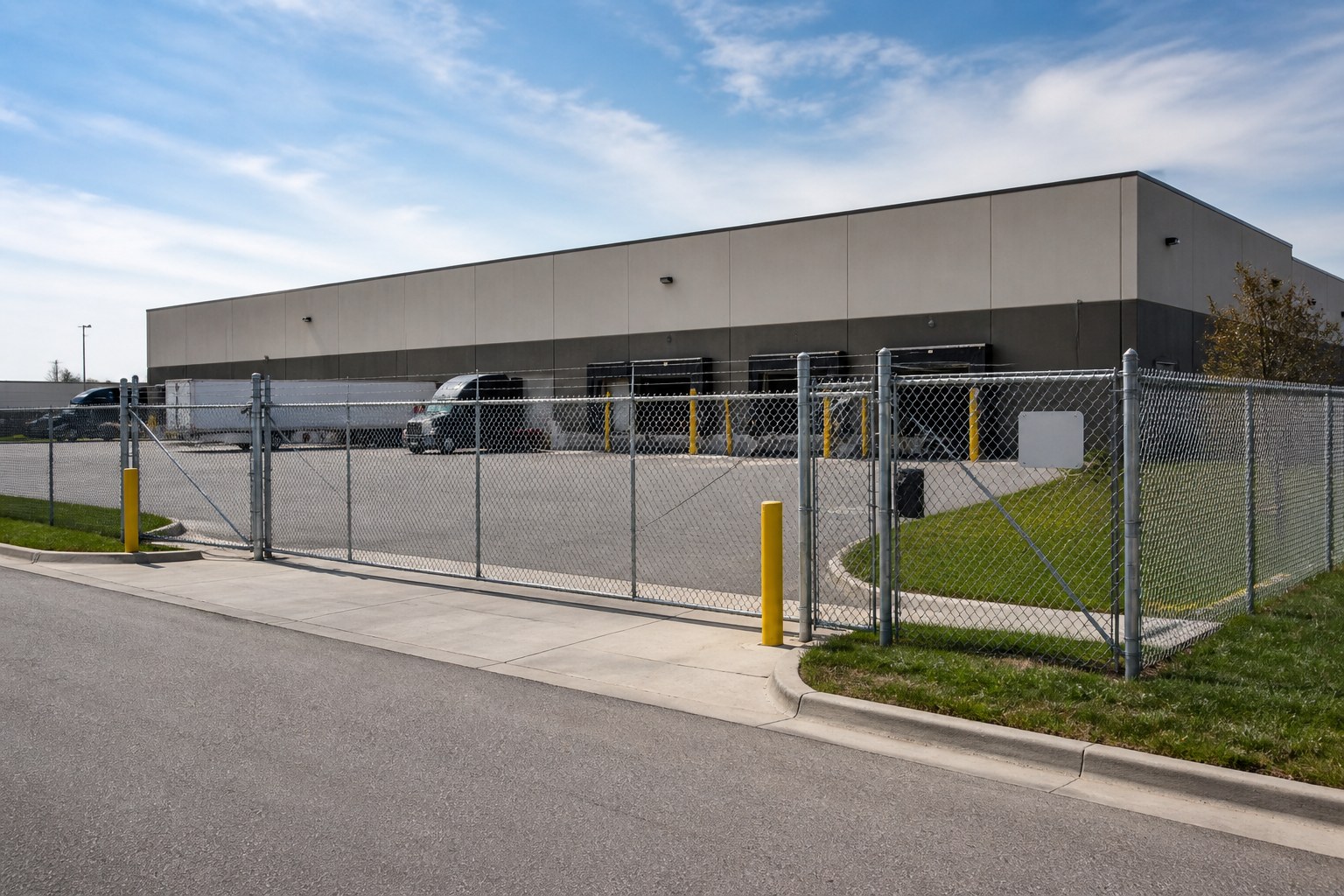
Thicker mesh on heavier posts, truss-braced, with a barbed top where a site needs a climb deterrent — the spec for the Lee's Summit R-7 school facilities and the small-scale institutional and retail work in and around Greenwood. We secure a yard, fence a facility perimeter, and hang rolling or swing gates sized for the traffic. It's the heavy-duty build for the limited commercial demand here, on the same deep-set, hard-braced posts as every residential run we put up on a Greenwood acre.

  • Price: $18–30/LF installed
  • Lifespan: 30+ years
  • Maintenance: Annual visual inspection
9-gauge galvanized chain link fence cost comparison — Greenwood, MO — RKC Wood Care Pros

GREENWOOD CHAIN LINK FENCE PRICING

What Chain Link Fence Installation Costs in Greenwood

9-Gauge Galvanized — 4–6 ft

$12–18

per linear foot installed

The back-acre kennel, garden, and dog run.

White Ranch Rail + Welded Wire

$18–26

per linear foot installed

The country-property look that still contains a dog.

6-Gauge Commercial — 6–8 ft

$22–30

per linear foot installed

School and institutional duty; gates and barbed top optional.

Ranch-rail upgrades, wide gates, coating, and old-fence removal are each itemized on every Greenwood estimate — call (913) 286-1091 or request an on-site walkthrough.

OUR PROCESS

How a Chain Link Fence Install in Greenwood Actually Happens

1

Walk the property — footage, where it runs, gauge, and gates

We walk the acre with you, take the footage, and plan the run for the back of the property where a utility fence belongs — the kennel line, the garden ring, the dog run along a tree edge. We match the wire to the work and read the lot: on Greenwood's deep clay the terminal and corner placement matters as much as the fabric, so we note where the load posts land. The coating, every gate's size and swing, the ranch-rail option, and how the line seats into the landscape all go on a written, line-by-line quote before anyone signs.

2

Call the locate, string the line, brace the terminals

No auger touches the ground until the free 811 locate has cleared the property. We string the line dead-straight and flag every terminal and corner, because in shifting clay those anchor posts are what the whole run's tension pulls against. On a longer back-acre line that layout takes a careful pass so the fabric finishes taut and even. Placing and bracing the terminals right is the single thing that keeps a Greenwood chain-link run from going slack a few seasons in, so it's where we spend the care.

3

Sink the posts deep, truss-brace, draw the mesh drum-tight

Each line post drops a full 36 inches into wet-poured concrete below the frost line, and the terminals go heavier — belled and truss-braced so the deep clay can't walk them out of plumb. Footings cure a day or two, longer in the cold, then we pull the fabric taut with come-alongs against those braced anchors, tie it to every post, and string tension wire top and bottom. The result is a line drawn drum-tight with no sag or wave — the finish that lets a utility fence disappear on a nice lot instead of standing out.

4

Hang the gates, re-tension, and walk it together

Gates go on last — kennel gates, walk gates, and the wide openings a back-acre run needs, all on deep, braced posts with hardware we can bring back to square. We make a final tension pass over the whole run, work every latch and swing, and walk the finished line with you before an invoice goes out, because on a Greenwood property the details are what get noticed. Posts and structural hardware carry our workmanship warranty on every job we build here.

RECENT GREENWOOD INSTALLS

Galvanized chain link dog run on a Greenwood acre — RKC Wood Care Pros
Chain Link Fence · Greenwood
Black vinyl-coated chain link vanishing into a treeline in Greenwood, MO — RKC Wood Care Pros
Chain Link Fence · Greenwood
6-gauge commercial chain link at a school facility near Greenwood, MO — RKC Wood Care Pros
Chain Link Fence · Greenwood
White ranch rail with welded wire on a semi-rural Greenwood acre — RKC Wood Care Pros
Chain Link Fence · Greenwood

REVIEWS

What Kansas City Homeowners Say About RKC

4.9 ★ · 85 Google reviews

Every review is on our Google Business Profile — read them there, unedited.

Read all 85 reviews on Google

GREENWOOD CHAIN LINK FENCE QUESTIONS

Chain Link Fence Installation Questions Greenwood Homeowners Ask Most

Galvanized chain link dog run — Greenwood, MO installation FAQ — RKC Wood Care Pros

Tension, Gauge & Clay

Why do chain-link fences go slack in Greenwood's clay?
Because the whole run's tension pulls back to the terminal and corner posts, and Greenwood's deep, expansive clay is hard on any post that wasn't set to hold. When the clay swells and shrinks, a shallow or under-braced end post slowly walks out of plumb — and the instant that anchor drifts, the fabric across the whole span goes slack and starts to wave and bag. It's rarely the fabric that failed; it's the anchor. We set terminals a full 36 inches down and truss-brace them so the pull has nothing to give against, which is what keeps the line drum-tight for the long run.
What gauge chain link should a Greenwood property use?
For a kennel, a dog run, or any back-acre line, 9-gauge — galvanized or coated — is the residential wire, tough enough for an animal that leans and digs and stiff enough to hold a clean line over a long run. 11-gauge is thinner and cheaper, fine for a light garden ring but not a real dog fence. 6-gauge is commercial weight, the spec for the R-7 school facilities, not a backyard. On a Greenwood acre, 9-gauge on deep, braced terminals is the workhorse that stays tight and square. We match the gauge to the job, not the price sheet.
Can I keep the country-property look and still contain a dog?
Yes — that's what the ranch-rail-with-wire build is for, and it fits Greenwood's semi-rural acreage well. A bare two- or three-rail fence looks right for the setting but lets a dog walk straight through the gaps. We back the rails with welded wire mesh, so you get the country-property profile the lot invites and a barrier that actually holds the animal. The posts still go a full 36 inches into the shifting clay, belled and braced, so the rails stay true. It's the open, agricultural look brought up to a real containment standard.

Pricing & Lifespan

What does chain link fence installation cost in Greenwood?
Residential 9-gauge galvanized runs $12 to $18 a foot installed here; coated 9-gauge runs $15 to $22; ranch-rail-with-wire runs $18 to $26; commercial 6-gauge runs $22 to $30. Because Greenwood lots run large, a back-acre run adds up in linear feet — a 250-foot galvanized dog line lands roughly $3,000 to $4,500, a fraction of the same length in cedar or iron. Gates, ranch-rail upgrades, coating, and old-fence removal each show up as their own line. Every Greenwood estimate is free, itemized, and written.
How long does chain link last in Greenwood, and what fails first?
Galvanized 9-gauge runs 20 to 30 years here, coated 25 to 35, commercial 6-gauge 30 or more. When one fails early it's rarely the fabric — it's a terminal or corner post that drifted in the shifting clay because it wasn't set deep enough or braced hard enough, and once the anchor moves the whole run slackens. When the line's still sound we reset and re-brace the drifted post and re-tension the fabric rather than tear a run out. Fix the anchor, and the line pulls drum-tight again — that's the repair we make most here.
Isn't cedar or iron the standard fence in Greenwood?
Out front, yes — high-end cedar privacy and black ornamental iron are the enclave standard, and we build plenty of both. We're honest that chain link isn't the street fence on a Greenwood lot. But out back, on the acreage, for a kennel, a garden enclosure, or a dog run, a tight, well-built galvanized or coated line does the job for a fraction of the cost and, built to standard, disappears into the landscape. It's the right tool for the working part of the property. For the front-line look, price cedar and iron on the Greenwood pages.

OTHER GREENWOOD FENCE OPTIONS

Considering Other Materials or Services for Your Greenwood Fence?

Ready when you are

Get a free estimate — we usually respond the same day.

Call (913) 286-1091