Skip to content
Chain Link Fence Installation in Pleasant Hill, MO — Working Backbone, Smallholding Lines & Benched Posts

Chain Link Fence Installation in Pleasant Hill, MO — Working Backbone, Smallholding Lines & Benched Posts

In Pleasant Hill, chain link is the working backbone — the galvanized line that fences the Cass County Fairgrounds, a ballfield, and a 7 Highway yard, and the affordable way to hold animals on a 1-to-2-acre outskirt lot. Cedar fronts the homes and the historic district runs iron, and we're straight that chain link isn't the front-yard fence — but it's the fence that keeps a growing exurb's facilities secured, and it's the honest way to enclose acreage for the dog and the animals a smallholding keeps. Out on the outskirts the ground rolls and near the lake and the Rock Island Trail it turns wooded, so we set every post a full 36 inches deep and bench it level to the grade, then step the fabric down the slope so the bottom stays tight. Keeping more than a dog? We size welded wire and height to the stock. RKC installs and repairs every type of fence — wood, vinyl, chain link, ornamental iron, aluminum, and commercial security — plus gates and in-house staining. Built for Every Storm. 400+ fences installed since 2021.

★★★★★
4.9
from 85 reviews
Licensed
& Insured · KS + MO
400+
fences installed
A+ BBB Rated 400+ Fences Installed Since 2021 Kansas City Fence Contractor Free On-Site Estimates
Browse chain link options ↓

WHERE CHAIN LINK WORKS IN PLEASANT HILL

The Backbone Fence for a Working Rail-Town Exurb

1

The working backbone of a rail town

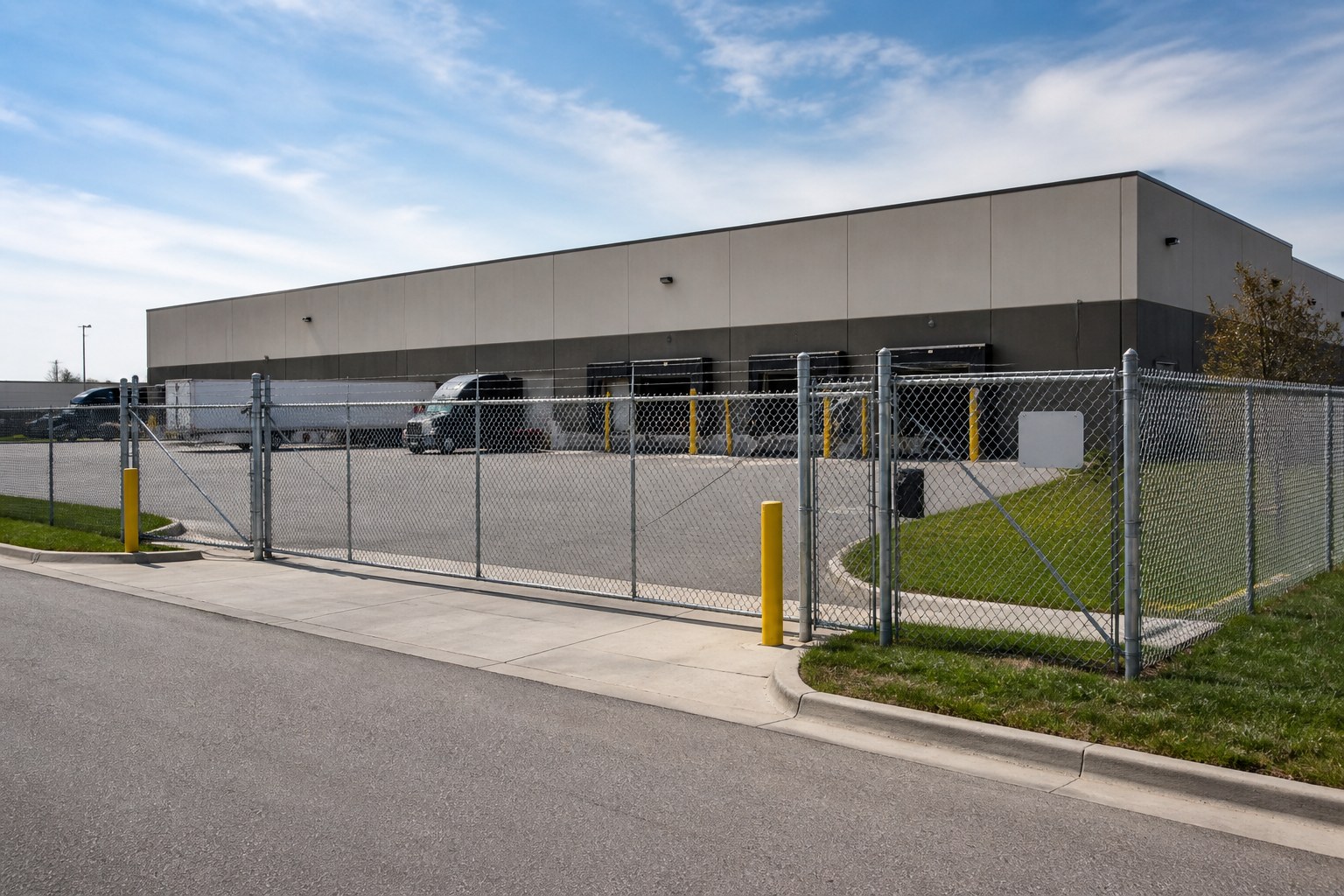
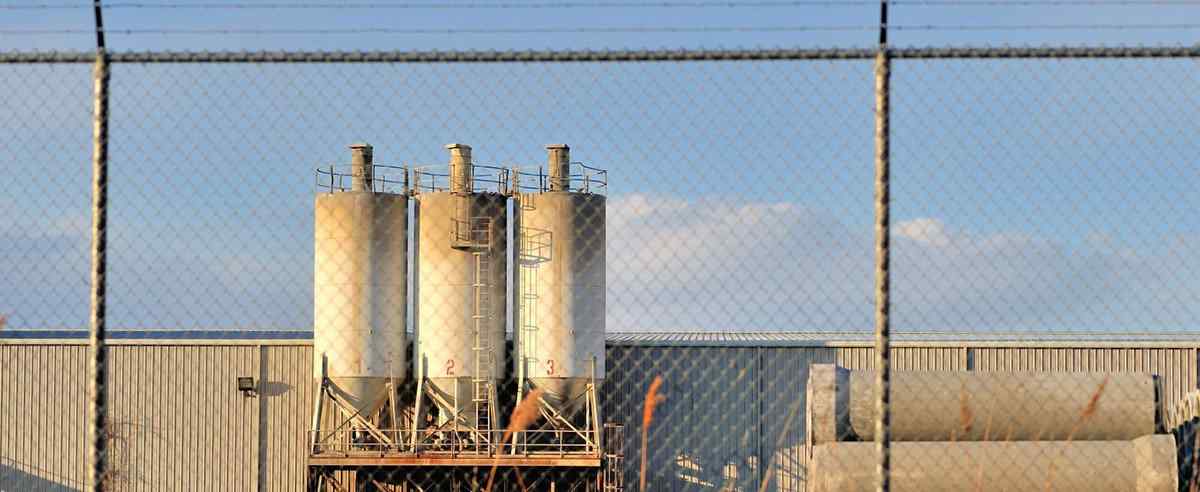
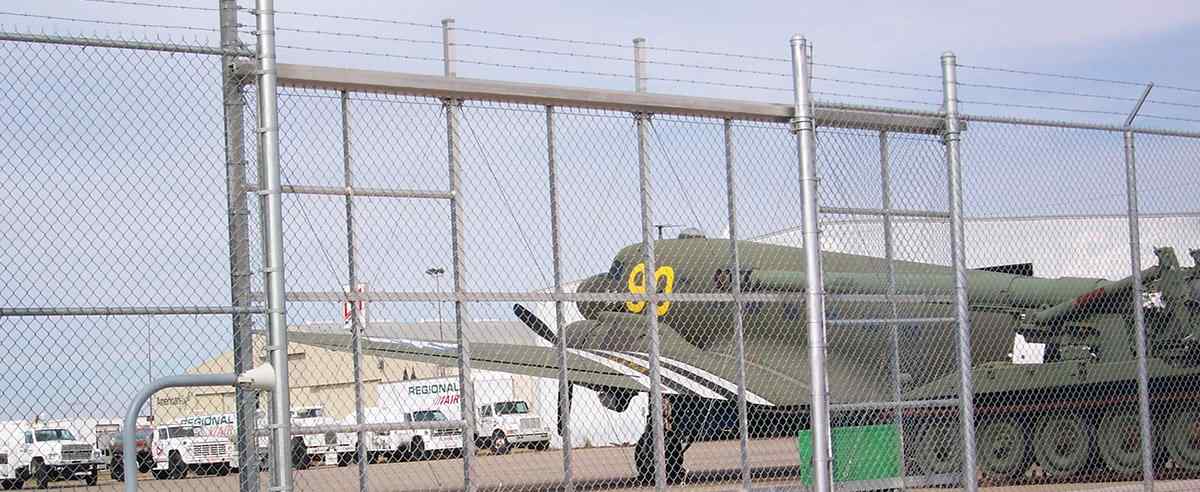
Pleasant Hill has always been a working town, and chain link is the fence that does its work — the galvanized perimeter around the Cass County Fairgrounds, the backstop and boundary at a ballfield, the secured yard on a light-industrial lot off 7 Highway. It's the honest institutional fence, tough and affordable, that a growing exurb needs behind the scenes. Cedar fronts the homes and iron dresses the historic district, and we're straight about that — but the backbone that keeps the town's facilities fenced is chain link, and we build a lot of it here.
2

Room for animals on a 1-to-2-acre outskirt lot

The reason a lot of families move to Pleasant Hill is room — a 1-to-2-acre lot on the outskirts with space for a dog, and often a few animals besides. Chain link is the affordable way to fence real ground: it holds a dog for a fraction of what cedar costs per foot, and paired with welded wire it contains more than a dog if you keep them. On a working smallholding at the edge of town, an honest galvanized or ranch-rail line encloses the acreage without the five-figure bill a solid fence would run, and it holds up for decades doing it.

3

The split-rail-and-wire look the outskirts have always run

Out past the subdivisions, Pleasant Hill runs a higher-than-average amount of farm-style split rail and wire — it's the look the rural-to-suburban outskirts have always had. A lot of owners on those bigger lots want to keep it, but a bare split rail lets a dog, or anything smaller, slip right through. We back a two- or three-rail fence with welded wire mesh, so you get the farm profile the acreage wants and a barrier that actually contains an animal. It's the honest exurb fence, brought up to a real containment standard for the outskirts.

4

Set 36 inches deep and benched to the rolling ground

Pleasant Hill's terrain rolls, and near the lake and the Rock Island Trail it can be wooded, so two things decide whether a fence holds: depth and how the line follows the ground. Every post drops a full 36 inches into concrete below the frost line, so a shallow post can't settle out of plumb on a slope, and we bench each post level and step the fabric down the grade so the bottom stays tight. RKC gives a working fence the same footing standard as a premium one — the Kansas City fence contractor whose 'Built for Every Storm' is a spec, not a slogan.

ANIMALS, ROLLING GROUND & THE FINISH

What a Pleasant Hill Outskirt Lot Means for Your Chain Link

1

Livestock-grade, not just a dog fence

On a Pleasant Hill smallholding the containment job is often bigger than a single dog — a family with a couple of acres might keep goats, a horse, chickens, and the dog all inside the line. That changes the build. We run heavier welded wire tight to grade so nothing small slips under, size the height to the tallest animal you're keeping, and brace the corners hard for the extra load a big enclosure carries. It's the difference between a light backyard fence and a real farm-lot barrier, and on the outskirts here the second one is usually what the lot actually needs.

2

Rolling, wooded ground settles a shallow post

The ground on Pleasant Hill's outskirts rolls, and near the lake and the trail it turns wooded and soft. A post set too shallow on a slope or in that softer ground slowly settles and leans, which opens a gap along the bottom of the run. The fix is depth and layout: we set every post a full 36 inches down into firm ground, bench each one level so it sits plumb on the grade, and step the fabric down the slope in even drops rather than letting it chase the dirt. A benched, deep-set line holds true where a shallow one settles and gaps.

3

Galvanized for the working line, black by the house

Plain galvanized is the working choice — cheapest per foot, and the right one for a fairgrounds run, a ballfield boundary, a smallholding perimeter, or any line where the budget rules. A black PVC jacket adds $3 to $6 a foot and earns it near a newer subdivision home or a landscaped yard: the dark wire settles in quietly where raw silver would stand out, and the coating keeps ground moisture off the steel. Slats can screen a run later. It's the same wire on the same deep, benched posts either way — the jacket is only a finish.

WHICH FINISH FOR A PLEASANT HILL LOT

Galvanized or Black-Coated on a Pleasant Hill Run?

The steel and the benched footings are identical between them — the coating is the whole call, and on a lot that ranges from a working smallholding to a run by the house it comes down to which one it is. Galvanized keeps the cost down on a smallholding perimeter or a facility line; a black jacket earns its keep near a newer home and seals the wire against moisture. Both ride the same 36-inch posts. Here's each against the Pleasant Hill runs it suits.

On a Pleasant Hill lotGalvanizedBlack Vinyl-Coated
An 800-ft smallholding perimeter, hung~$10,000-ish in 4-ft galvanized — the acreage floorroughly a third more once the $3–6 coat is added
Where it fits in Pleasant HillSmallholding lines, fairgrounds, ballfields, yardsRuns near a newer home or a landscaped yard
How the rolling ground wears it20–30 years; the base pits first where water sits25–35 years; the coat seals the wire at grade
How it reads on the lotPlain silver — honest working line on acreageA thin dark line that recedes by the house
Pick it whenThe run is a working line and cost rulesThe fence sits near a newer home or sightline

Short version: galvanized on the smallholding and facility lines, black where the run sits by a newer home, ranch rail where the outskirt lot wants the farm look. If a solid cedar or vinyl screen is the goal — the residential standard — price it on the metro privacy fencing page. Either way it comes back on one written estimate with the numbers laid out to compare.

CONTAINING A SMALLHOLDING ON ROLLING GROUND

Holding a Pleasant Hill Acreage the Roll Can't Beat

Pleasant Hill chain link often holds more than a dog — a smallholding's animals on a rolling, sometimes wooded outskirt lot — and that's where the install has to be right. Four things decide whether the run truly contains, and the gauge of the wire is only where the list starts.

Sized to the animals, not just the dog

Containment on a Pleasant Hill acreage often means more than a dog. On a 1-to-2-acre outskirt lot with goats, a horse, or chickens as well, we build to the tallest and the smallest animal at once — welded wire run tight to grade so nothing little slips under, height set for the tall stock, and corners braced hard for the load a big enclosure carries. A light backyard fence won't hold a real smallholding; a livestock-grade line, built to the animals you actually keep, is what closes the acreage and keeps everything on its own side.

Benched and deep so nothing settles into a gap

The outskirts here roll, and near the lake and the trail the ground turns wooded and soft — exactly where a shallow post settles and leans, opening a gap along the bottom that an animal walks under. We set every post a full 36 inches down into firm ground and bench each one level so it sits plumb on the slope, then step the fabric down the grade in even drops. A benched, deep-set line holds true across the roll where a shallow, straight-run one buries at the low spots and lifts at the high ones.

Height and gauge sized to what's inside

Once the posts are deep and benched, containment is height and gauge. Nine-gauge is the residential wire for a dog that leans and digs, sized up in welded wire for stock; the light 11-gauge is a garden pick, not real animal containment. Four feet holds most dogs, more for a jumper or tall stock, with a bottom tension wire pinning the fabric hard to grade. We size the wire and the height to what's actually going inside the line on a Pleasant Hill lot, not to a one-size sheet.

The split-rail smallholding, backed to hold

On the bigger outskirt lots, an open two- or three-rail fence carries the farm look the area has always run but leaves gaps a dog — or something smaller — slips right through. Threading welded wire mesh behind the rails keeps the split-rail profile the acreage wants while closing those gaps into a real barrier. It answers containment for the rural-to-suburban outskirts — neither a bare rail run nor a solid wall — the posts bedded 36 inches deep and benched to the rolling ground so rails and mesh both hold true.

THE RUNS WE PUT UP

Chain-Link Builds for a Pleasant Hill Property

9-Gauge Galvanized Residential by RKC Wood Care Pros in Pleasant Hill, MO

9-Gauge Galvanized Residential

The smallholding dog and animal line

Four- or six-foot galvanized fabric on braced corners — the affordable way to fence a Pleasant Hill outskirt lot for the dog or the acreage. Corners and ends anchor the pull, the selvage is knuckled top and bottom, and a bottom tension wire pins the fabric to grade so nothing digs under along a long run. On a rolling lot we bench the posts level and step the fabric to the grade. Every post drives a full 36 inches into the ground, so it holds where a shallow one settles, and it rides out decades of Cass County weather at a fraction of cedar's cost per foot.

  • Price: $12–18/LF installed
  • Lifespan: 20–30 years
  • Maintenance: Occasional tension-wire retightening
White Ranch Rail with Welded Wire by RKC Wood Care Pros in Pleasant Hill, MO

White Ranch Rail with Welded Wire

The split-rail-and-wire outskirt look

For the bigger outskirt lots after the farm-style look Pleasant Hill has always worn, we raise a two- or three-rail line and thread welded wire mesh behind it. The split-rail silhouette stays, and the mesh tightens it enough to hold a dog — or, sized up, the goats and the horse a smallholding keeps. It's the rural-to-suburban fence the outskirts were built on, lifted to a real containment standard, with each post bedded a full 36 inches into the rolling ground and braced so rails and mesh both hold their line.

  • Price: $16–26/LF installed
  • Lifespan: 20–30 years
  • Maintenance: Occasional rail check; wire retension
Black Vinyl-Coated 9-Gauge by RKC Wood Care Pros in Pleasant Hill, MO

Black Vinyl-Coated 9-Gauge

Where the run sits by a newer home

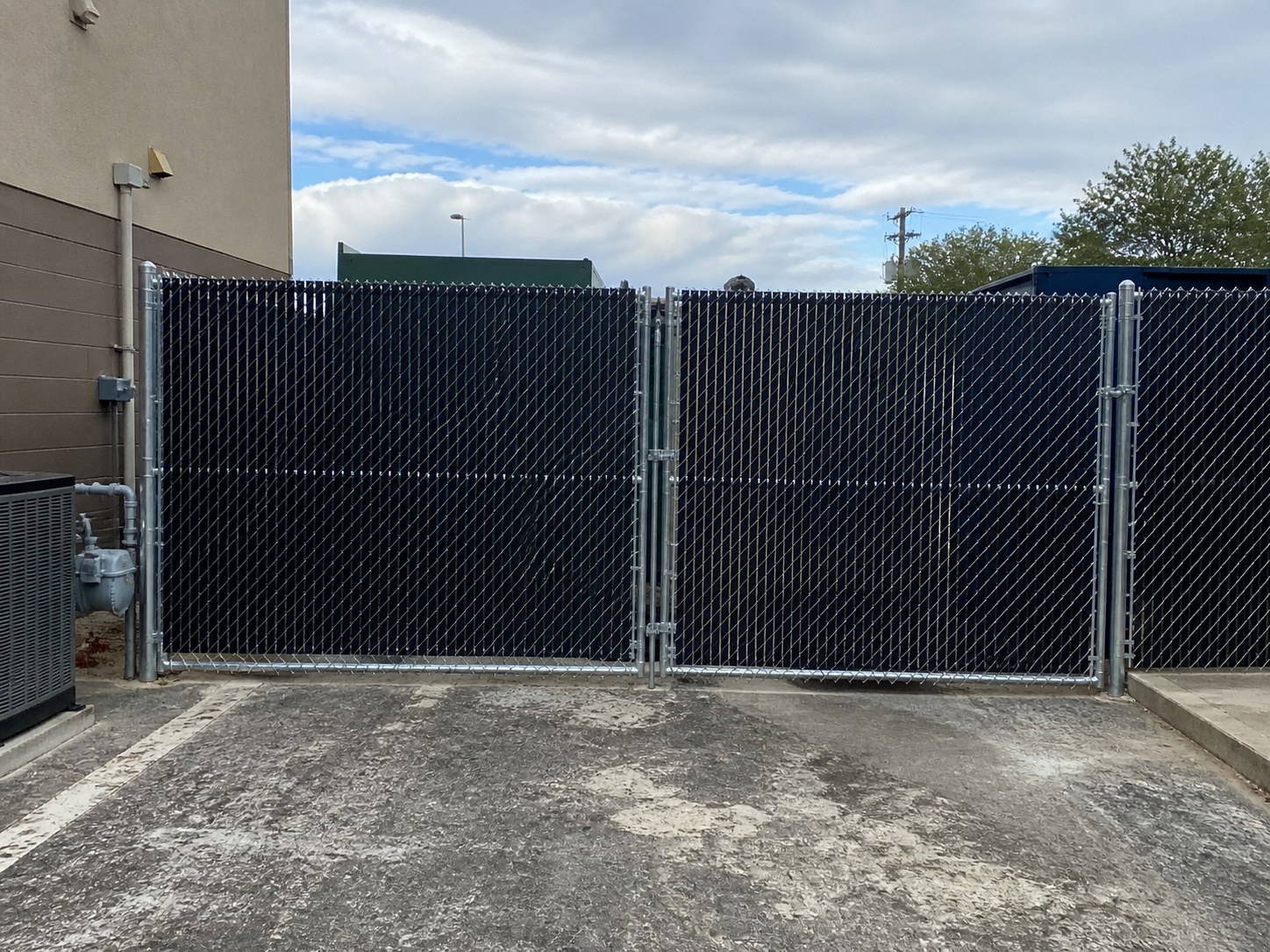
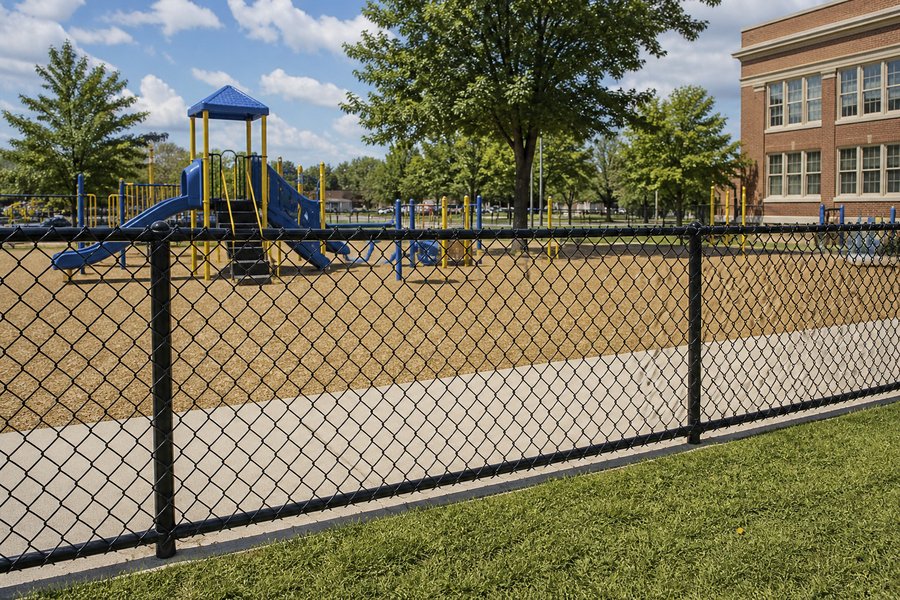
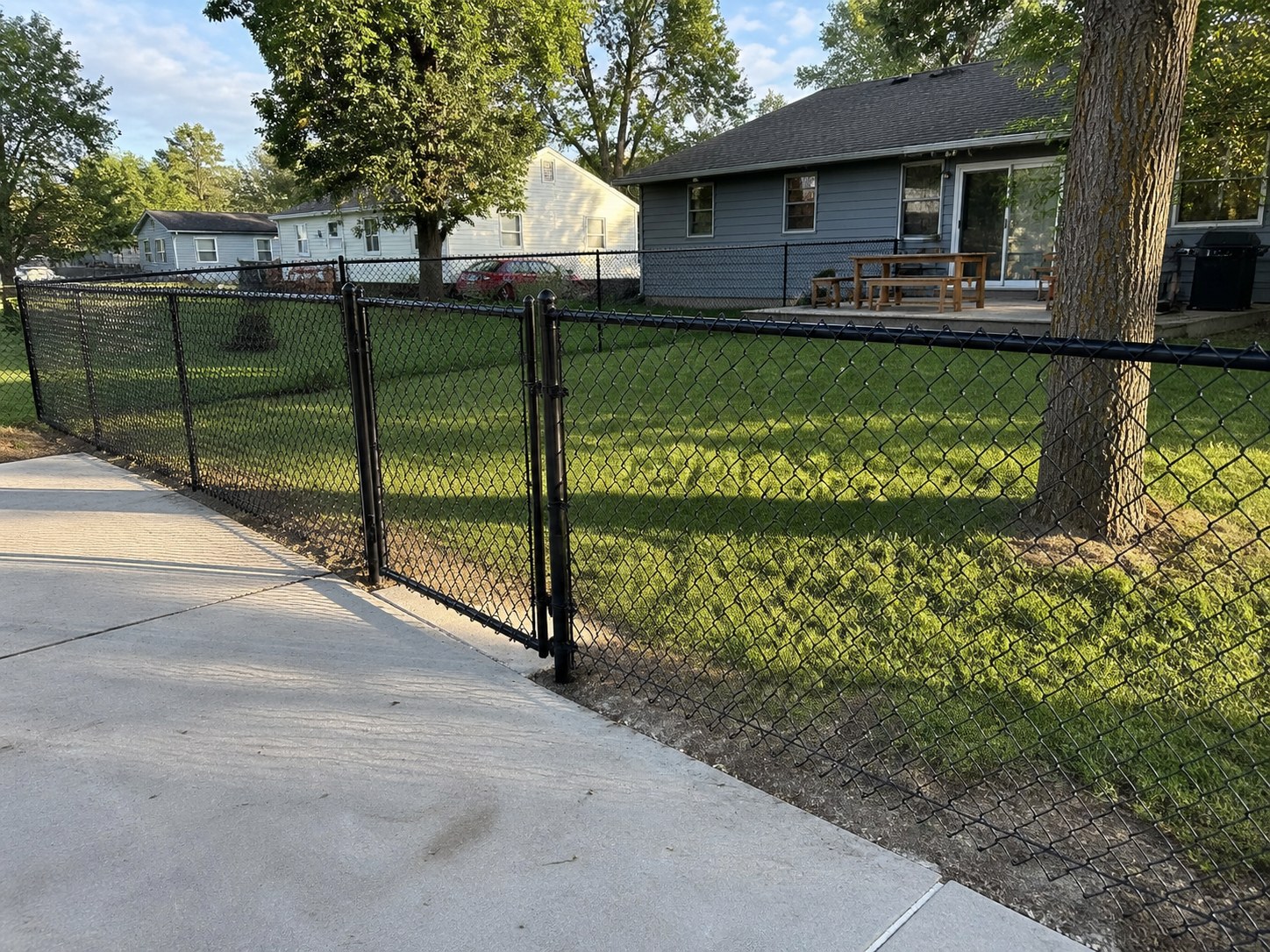
A 9-gauge core sealed under a black PVC coat — the pick where a Pleasant Hill run sits near a newer subdivision home or a landscaped yard. Against fresh cedar and planting it recedes to a thin dark line instead of reading as utility silver, and the coat locks water off the wire at grade. It'll take privacy slats later if you want a run screened. Brown and green cost the same; black is the usual pick where the fence shares a sightline with the house. Same deep, benched posts as the galvanized line underneath.

  • Price: $15–22/LF installed
  • Lifespan: 25–35 years
  • Maintenance: Soap-and-water rinse
6-Gauge Commercial & Institutional by RKC Wood Care Pros in Pleasant Hill, MO

6-Gauge Commercial & Institutional

Fairgrounds, ballfields, and 7 Highway yards

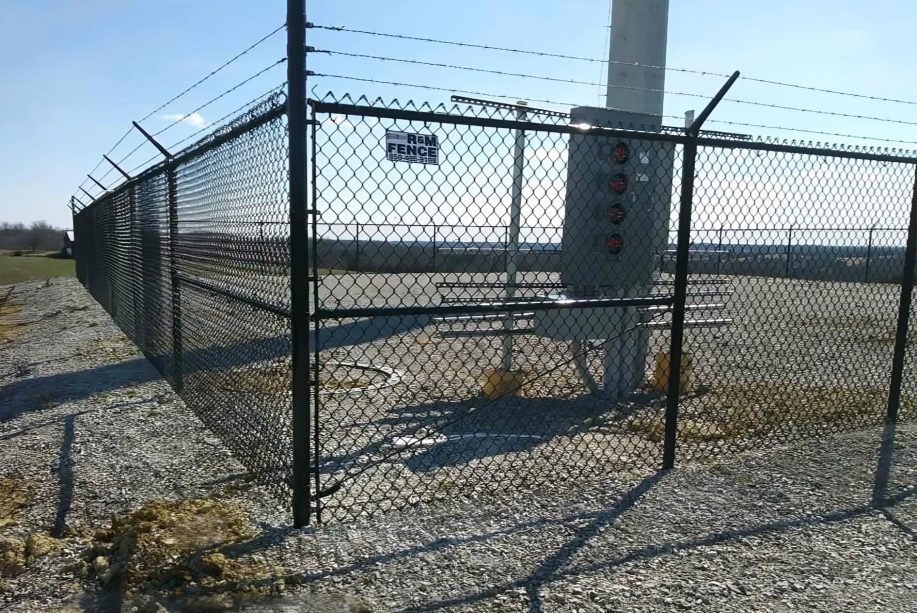
Thicker mesh on heavier posts, truss-braced, with a barbed top where a site needs a climb deterrent — the spec for the Cass County Fairgrounds, the town's ballfields, and the light-industrial yards along the 7 Highway corridor. We fence a facility, secure a storage lot, hang a ballfield backstop, and put up rolling or swing gates sized for the traffic. It's the working backbone the town runs on, and it's built on the same deep-set posts as every residential run we install in Pleasant Hill.

  • Price: $18–30/LF installed
  • Lifespan: 30+ years
  • Maintenance: Annual visual inspection
9-gauge galvanized chain link smallholding fence cost comparison — Pleasant Hill, MO — RKC Wood Care Pros

PLEASANT HILL CHAIN LINK FENCE PRICING

What Chain Link Fence Installation Costs in Pleasant Hill

9-Gauge Galvanized — 4–6 ft

$12–18

per linear foot installed

The smallholding dog and acreage line.

White Ranch Rail + Welded Wire

$18–26

per linear foot installed

The farm look that still holds an animal.

6-Gauge Commercial — 6–8 ft

$22–30

per linear foot installed

Fairgrounds, ballfield, and 7 Highway duty; gates optional.

Ranch-rail upgrades, wide smallholding gates, coating, and old-fence removal are each itemized on every Pleasant Hill estimate — call (913) 286-1091 or request an on-site walkthrough.

OUR PROCESS

How a Chain Link Fence Install in Pleasant Hill Actually Happens

1

Walk the property — footage, animals, the grade, and gates

We walk the lot, take the footage, and ask what's going inside the line — a dog, or a dog and a few animals, changes the wire and the height. We read how the ground rolls and how wooded it gets, because on the Pleasant Hill outskirts a shallow post on a slope is what settles. We match the fence to the work: a smallholding line, a ballfield boundary, and a fairgrounds perimeter are different builds. The wire, the ranch-rail option, every gate's size and swing, and where the fabric steps to grade all go on a written, line-by-line quote before anyone signs.

2

Call the locate, string the line, bench the posts

No auger touches the ground until the free 811 locate has cleared the property. We string the boundary tight and, because a rolling outskirt lot won't take a fence run straight off the dirt, we bench each post position so every one sits plumb and the line steps cleanly down the grade. Corners, ends, and gate jambs get flagged as the load posts, and on a big smallholding enclosure that layout takes a careful pass so a long run finishes straight. Getting the posts benched and the load posts placed right is what keeps the line true on the rolling ground.

3

Sink the posts deep, cure the concrete, draw the mesh tight

Each line post drops a full 36 inches into wet-poured concrete below the frost line — deep enough that a slope or the softer wooded ground can't settle it out of plumb. Corners and gate posts go heavier, belled and braced for the load a big enclosure carries. Footings cure a day or two, longer in the cold, then we pull the fabric taut with come-alongs, tie it to every post, step it down the grade in even drops, and string tension wire top and bottom so the bottom stays pinned to the ground the whole run.

4

Hang the gates, re-tension, and walk it together

Gates go on last — walk gates, drive gates, and the wide openings a smallholding or a facility needs, all on deep, benched posts with hardware we can bring back to square. We make a final tension pass over the whole run, work every latch and swing, and walk the finished line with you before an invoice goes out. Late summer, after the storm season, is our busy repair stretch — we build it deep and benched the first time so it isn't in that line. Posts and structural hardware carry our workmanship warranty on every Pleasant Hill job.

RECENT PLEASANT HILL INSTALLS

6-gauge galvanized chain link at a Cass County institutional yard in Pleasant Hill, MO — RKC Wood Care Pros
Chain Link Fence · Pleasant Hill
White ranch rail with welded wire on a Pleasant Hill outskirt smallholding — RKC Wood Care Pros
Chain Link Fence · Pleasant Hill
Galvanized chain link dog line benched to rolling ground in Pleasant Hill, MO — RKC Wood Care Pros
Chain Link Fence · Pleasant Hill
Black vinyl-coated chain link near a newer Pleasant Hill subdivision home — RKC Wood Care Pros
Chain Link Fence · Pleasant Hill

REVIEWS

What Kansas City Homeowners Say About RKC

4.9 ★ · 85 Google reviews

Every review is on our Google Business Profile — read them there, unedited.

Read all 85 reviews on Google

PLEASANT HILL CHAIN LINK FENCE QUESTIONS

Chain Link Fence Installation Questions Pleasant Hill Owners Ask Most

Galvanized chain link working line — Pleasant Hill, MO installation FAQ — RKC Wood Care Pros

Animals, Gauge & Ground

Can chain link hold more than a dog on my Pleasant Hill acreage?
Yes — that's a common ask on the outskirts here, where a 1-to-2-acre lot might hold goats, a horse, chickens, and the dog. We build to the animals: heavier welded wire run tight to grade so nothing small slips under, height sized to the tallest animal, and corners braced hard for the load a big enclosure carries. Ranch rail backed with welded wire works well for the farm look, or straight galvanized for a pure working line. Either way the posts go a full 36 inches down and benched to the grade, so a smallholding perimeter holds true on the rolling ground.
What gauge chain link should a Pleasant Hill property use?
For a house or an acreage lot, 9-gauge — galvanized or coated — is the residential wire, tough enough for a dog and the animals a smallholding keeps without flexing over a long run. 11-gauge is thinner and cheaper, fine for a light garden ring but not real animal containment. 6-gauge is commercial weight, the spec for the fairgrounds, ballfields, and 7 Highway yards, not a backyard. On the Pleasant Hill outskirts, 9-gauge galvanized is the workhorse that fences real ground affordably. We match the gauge to the job, not the price sheet.
My lot rolls — how do you keep the fence from gapping at the bottom?
A rolling Pleasant Hill lot is exactly where a poorly built chain-link run gaps — run straight down the grade, the fabric buries at the low spots and lifts at the high ones, opening a gap an animal walks under. We bench each post level so it sits plumb on the slope, then step the fabric down the grade in even drops so the bottom stays tight to the ground the whole way. Pair that with a bottom tension wire pinned to grade and a full 36-inch depth so nothing settles, and the line holds true across the roll instead of gapping.

Pricing & Lifespan

What does chain link fence installation cost in Pleasant Hill?
Installed here, residential 9-gauge galvanized runs $12 to $18 a foot; coated 9-gauge, $15 to $22; ranch-rail-with-wire, $18 to $26; commercial 6-gauge, $22 to $30. A 1-acre smallholding perimeter — roughly 800 feet in 4-foot galvanized — lands in the $10,000 range, which, spread over a couple of decades, is a cheap way to fence that much ground for the animals. Gates, ranch-rail upgrades, coating, and old-fence removal each get their own line. Every Pleasant Hill estimate is free, itemized, and put in writing.
How long does chain link last in Pleasant Hill, and what fails first?
Galvanized 9-gauge runs 20 to 30 years here, coated 25 to 35, commercial 6-gauge 30 or more. When one fails early it's rarely the fabric — it's a post that settled and leaned on a rolling or wooded slope because it was set too shallow, or a wide gate that dropped out of square on an undersized post. Both trace to how it was set. When the line's still true we bench and reset the settled post and re-tension rather than tear a run out. Fix the footing, save the fence — most of our repair calls out here are exactly that.
Isn't cedar the standard residential fence in Pleasant Hill?
For the homes, yes — traditional 6-foot cedar leads the residential market, and the historic district runs ornamental iron and decorative pickets. We're honest about that; chain link isn't the front-yard fence in town. But it's the working backbone behind the scenes — the fairgrounds, the ballfields, the industrial yards — and out on the outskirts it's the affordable way to fence a smallholding for the dog and the animals. It's the right tool for those jobs. For the solid look or the historic style, price cedar and iron on the Pleasant Hill pages.

OTHER PLEASANT HILL FENCE OPTIONS

Considering Other Materials or Services for Your Pleasant Hill Fence?

Ready when you are

Get a free estimate — we usually respond the same day.

Call (913) 286-1091