Skip to content
Chain Link Fence Installation in Gardner, KS — Residential 9-Gauge, Commercial 6-Gauge & Vinyl-Coated

Chain Link Fence Installation in Gardner, KS — Residential 9-Gauge, Commercial 6-Gauge & Vinyl-Coated

In Gardner the fence goes up the week the sod does — a new family, a wide-open new-construction backyard, a dog to hold on a budget that just paid for a house. Chain link is the fast, cheap way to close it in, and its open mesh takes the wind better than any solid panel out here. Gardner is dead-flat former farmland with nothing to break the gusts, so a solid cedar or vinyl fence works like a sail — the leaning-fence capital of the metro. Chain-link weave lets the wind pass through instead. We still set every post 36 inches into the flat clay for the freeze-thaw and the gates, run 9-gauge for the family dog, 6-gauge for the AirCenter and intermodal perimeters, and coat it black where it needs to sit right beside fresh cedar. 400+ fences installed since 2021.

★★★★★
4.9
from 85 reviews
Licensed
& Insured · KS + MO
400+
fences installed
A+ BBB Rated 400+ Fences Installed Since 2021 Kansas City Fence Contractor Free On-Site Estimates
Browse chain link options ↓

WHY GARDNER FENCES A NEW YARD IN CHAIN LINK

The Fast, Wind-Smart Way to Close In a Brand-New Backyard

1

The fence that goes up the week the sod does

Gardner fills with new families closing on new-construction homes, and the yard is wide open to the neighbors the day they move in. Chain link is the quickest, cheapest way to get a dog and a couple of kids safely contained while the budget recovers from the down payment. It holds that line for 25 to 30 years, and if a full cedar or vinyl privacy fence comes later, the chain link has already done its job for a fraction of the cost.
2

Open mesh that shrugs off the wind a solid fence fights

Gardner is dead flat and wide open — old farmland with nothing between a backyard and the next Kansas gust — and that wind is what leans and racks solid fences all over town. Chain link's woven mesh lets the wind pass straight through instead of catching it like a sail. On the metro's most exposed lots that's a real edge: less load on the fence, less drama after a storm, so long as the posts are set to depth.

3

The lowest cost per foot on a wide new-build lot

A new Gardner lot runs flat and moderate-sized, but a whole perimeter still adds up in a hurry. Figure $12 to $18 a foot installed for 9-gauge galvanized — the cedar that's still the town default is close to twice that, and vinyl more again. When the job is a dog run, a back line, or a fast first fence on a young family's budget instead of a privacy screen, chain link takes the math well before the warranty even enters the conversation.

4

Set 36 inches deep, the same as every RKC fence

The wind edge doesn't excuse a shallow post — it's the opposite. We sink every line post a full 36 inches into the flat farmland clay, past the frost line, so freeze-thaw can't lift it and a wide gate hangs true when the open lot catches a gust. The corners and gate posts get upsized, footed with a belled base, and braced; tension wire ties off along the top and the bottom. RKC treats a wire fence to the same depth standard it gives cedar — the Kansas City fence contractor whose 'Built for Every Storm' isn't reserved for the premium material.

WIND, FLAT GROUND & THE FINISH

What Gardner's Open Farmland Wind Means for Your Chain Link

1

Flat, open ground means wind is the test — and mesh passes it

Ask what beats up a Gardner fence and the answer is always wind. The town sits on flat former farmland with no hills or tree lines to break the gusts, and a solid cedar or vinyl panel out here works like a sail — it's why leaning fences are the constant local complaint. Chain-link fabric is the opposite: the open weave lets air move through it, so the run barely feels a gust that would rack a privacy wall. The posts still do the work, and they still go 36 inches down for the freeze-thaw and the gates — but the fabric itself isn't fighting the wind.

2

Farmland clay, flat lots, and a fast, clean dig

Gardner's newer subdivisions sit on ground that was flat farm fields a decade or two ago — rock-free clay, level grade, straight boundaries. That makes for a quick, high-efficiency install: no limestone shelf to drill, no slope to step down, no root-dodging. We string the line, set every post a full 36 inches, and crown the concrete to shed water. The many corner lots in the new developments get an extra pass on layout so a two-sided run reads dead straight from the street.

3

Galvanized for the back lot, black-coated to sit right by fresh cedar

Bare galvanized is the budget wire — silver and plain, right for a dog run, a back line, or the older properties over near the fairgrounds. A PVC coat in black, brown, or green runs $3 to $6 more a foot and takes that same silver mesh to something that looks placed-on-purpose beside a new-build's fresh cedar and sod. On a run people see in a newer Gardner subdivision that's usually the pick; on a hidden utility line, galvanized does the job for less. Same steel, same 36-inch posts underneath.

WHICH FINISH FOR A NEW-BUILD LOT

Galvanized or Black-Coated on a Gardner Yard?

The steel and the footings are identical between the two — the coating over the mesh is the whole call, and on a fresh subdivision lot it comes down to whether the run shows. Galvanized keeps the price down on anything that stays out of view; a black PVC jacket makes the same fence look deliberate beside new cedar and can carry slats down the road. Both ride the same 36-inch posts. Below, each against the Gardner runs it suits.

On a Gardner lotGalvanizedBlack Vinyl-Coated
A 175-ft new-build yard, hung$2,100–3,150-ish — the floor for a fence that lasts decades$2,600–3,850 once the $3–6 coat is added; slat-ready
How it looks by fresh cedar and sodPlain silver — right for a dog run, a back line, an older lotReads as a deliberate line, not bare utility wire
How the open weather wears it20–30 years; grays and pits first at the base25–35 years; the coat locks water off the base through sun and rain
The Gardner runs it fitsDog runs, back lines, and the fairgrounds-quarter swapsThe visible new-subdivision run, the yard the patio faces
Pick it whenThe fence is out of sight and the new-build budget is tightThe run shares a view with the house or the fresh landscaping

Net of it: leave it bare where the run stays out of sight, coat it black where it lands in view of the new landscaping, add woven slats where the yard needs screening off. A real security or industrial perimeter is its own spec — price that on the metro commercial fencing page. Any way you go, it comes back on a single written estimate with the numbers laid out to compare.

HOLDING THE DOG, BEATING THE WIND

Containing a New-Build Yard on the Metro's Windiest Flat Ground

Gardner's chain link mostly goes up to hold a dog and a couple of kids on a wide-open new lot — and doing that on the flattest, windiest ground in the metro is where the install earns its keep. Four things decide whether the run truly holds — and the gauge of the wire is only where the list starts.

Wire and height set to the new-family dog

Gardner is a young-family, dog-owning town, so most runs exist to keep an animal in the yard. That calls for 9-gauge — a dog that throws its weight at the line and digs the corners will find the limit of the light 11-gauge, which belongs on a garden anyway. Four feet holds most breeds; a real jumper wants five or six. We size wire and height to the dog in front of us, so a bare new backyard is buttoned up the week they move in, not a season later.

The open mesh is the wind answer — the depth is the insurance

The reason chain link fits Gardner's exposed lots is that its weave lets the wind through instead of catching it, so the fabric doesn't rack the way a solid panel does. But that only holds on a fence dug right: every post goes 36 inches down so the freeze-thaw can't heave it, and the terminals and gate posts go heavier because a wide gate on an open lot still takes the full push. Mesh handles the gust; depth handles everything else.

A fast, clean dig on flat farmland ground

The newer Gardner subdivisions sit on old, level farm fields — rock-free clay, no slope, straight lines. There's no limestone shelf to drill and no grade to step down, so the install moves quickly and the run comes out straight. We still reach a full 36 inches on every hole and give the corner lots an extra layout pass, because straight, deep, and square is what keeps a long flat run true for decades.

Coated for the new street, re-fabric for the old quarter

In a fresh subdivision, bright galvanized can look unfinished next to new cedar; a black coat fixes that and folds the run into the landscaping. Out near the Johnson County Fairgrounds, where a lot of older chain link is still standing on sound posts, the cheaper move is often to strip the tired fabric and re-hang fresh coated wire on the existing footings — a new fence for a fraction of a full rebuild.

THE RUNS WE PUT UP

Chain-Link Builds for a Gardner Property

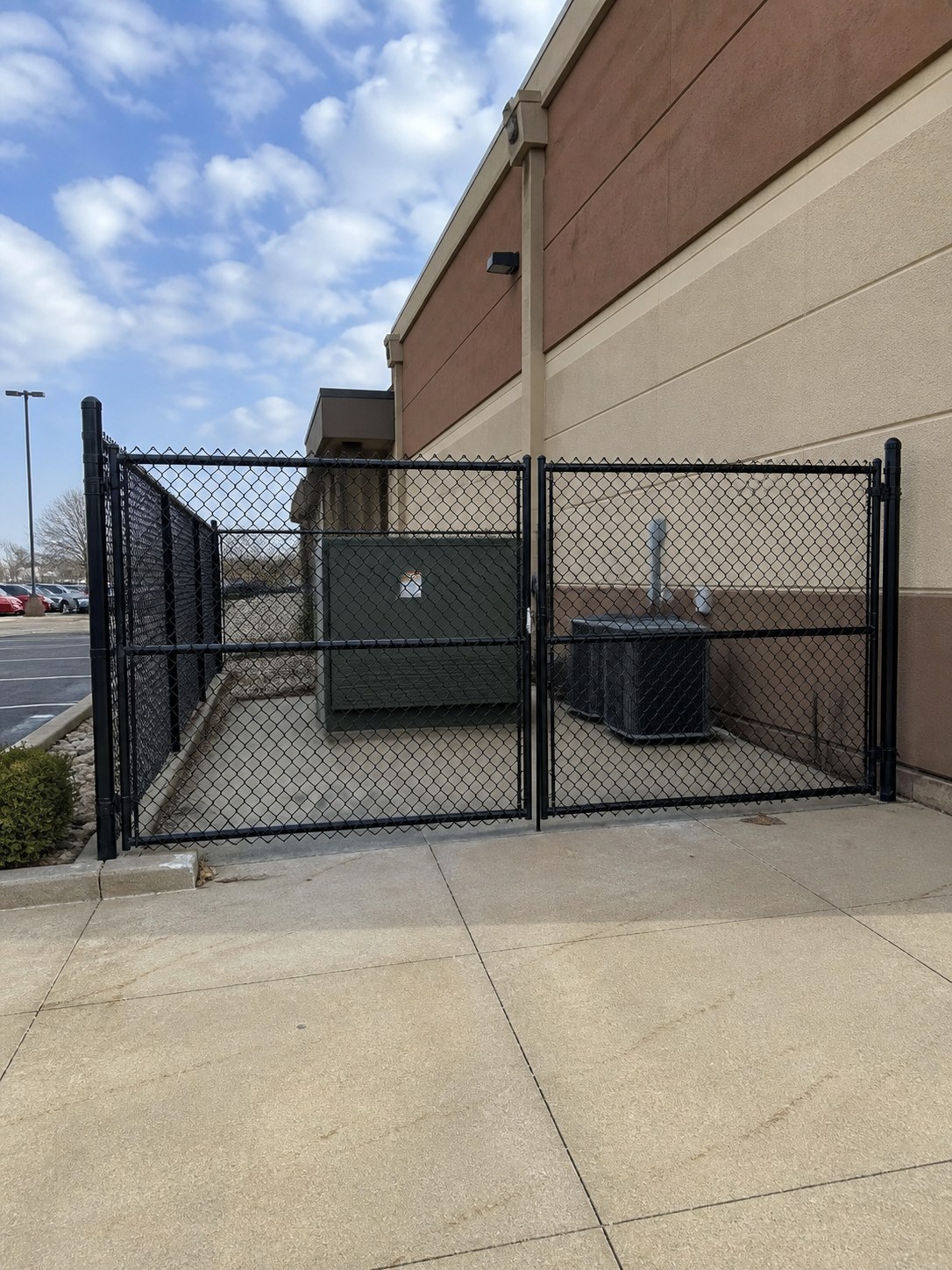
9-Gauge Galvanized Residential by RKC Wood Care Pros in Gardner, KS

9-Gauge Galvanized Residential

The fast first-fence run across new Gardner

Four- or six-foot galvanized fabric on braced corner posts — the dog run, the kids' back yard, the side line on a fresh subdivision lot. Corners and ends anchor the run, the selvage is knuckled smooth along the top and bottom, and a bottom wire pulls the fabric down tight to the grade. It's the cheapest fence that still rides out a couple of decades of Kansas winters, and the one that goes up most often on the town's new-family lots.

  • Price: $12–18/LF installed
  • Lifespan: 20–30 years
  • Maintenance: Occasional tension-wire retightening
Black Vinyl-Coated 9-Gauge by RKC Wood Care Pros in Gardner, KS

Black Vinyl-Coated 9-Gauge

Looks right beside new cedar and sod

A 9-gauge galvanized core sealed under a black PVC coat, and it'll take woven slats later if you decide to close off the view. Against a new-build's fresh landscaping it comes off as a finished line rather than a utility fence, and the coat shields the wire down at the base where an uncoated run corrodes first — good for another decade over bare steel. Brown and green run the same money; black is the standard pick on a Gardner yard people see.

  • Price: $15–22/LF installed
  • Lifespan: 25–35 years
  • Maintenance: Soap-and-water rinse
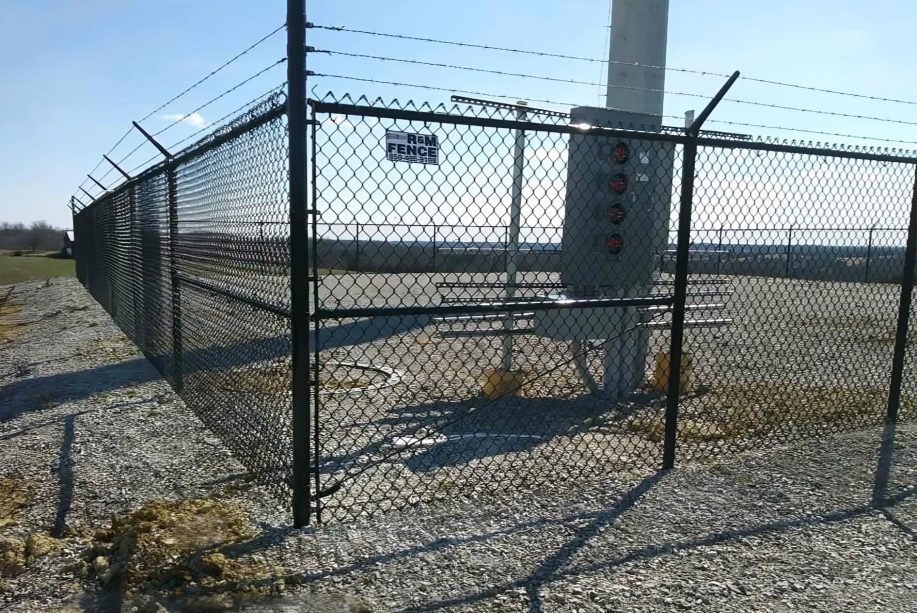
6-Gauge Commercial by RKC Wood Care Pros in Gardner, KS

6-Gauge Commercial

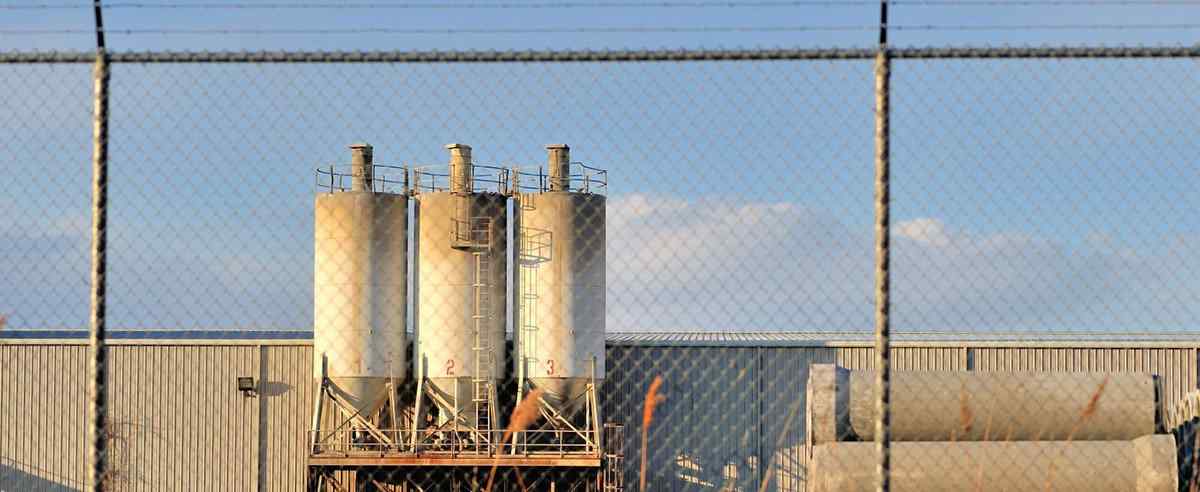
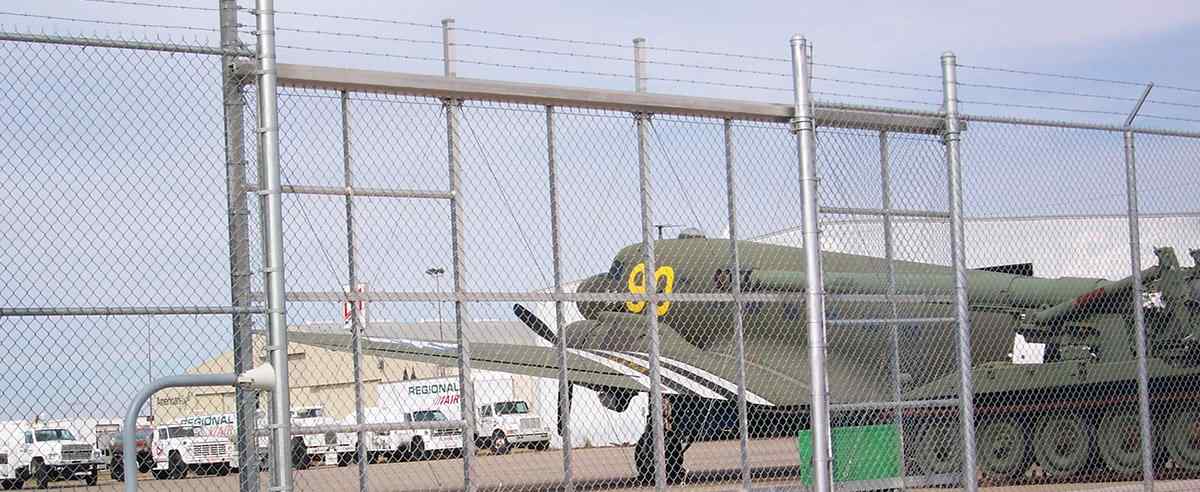
New Century AirCenter and the Edgerton intermodal corridor

Thicker mesh on heavier posts, a barbed top added where a site wants a climb deterrent — the spec for the industrial build-out around New Century AirCenter and the freight-intermodal corridor running toward Edgerton. We drop truss bracing at intervals down the run, wire it off along the top and bottom, and hang a rolling or cantilever gate sized for the truck and equipment traffic those yards see.

  • Price: $18–28/LF installed
  • Lifespan: 30+ years
  • Maintenance: Annual visual inspection
11-Gauge Light-Duty by RKC Wood Care Pros in Gardner, KS

11-Gauge Light-Duty

Garden rings and seasonal pens

Thinner wire on shorter posts set farther apart — right for a raised-bed garden, a seasonal pen, or a temporary run out toward the edge of town where the lots get bigger. It won't hold a determined dog or secure anything worth stealing; that's what the 9- and 6-gauge are for.

  • Price: $10–15/LF installed
  • Lifespan: 10–15 years
  • Maintenance: Retighten annually
9-gauge galvanized chain link fence cost comparison — Gardner, KS — RKC Wood Care Pros

GARDNER CHAIN LINK FENCE PRICING

What Chain Link Fence Installation Costs in Gardner

9-Gauge Galvanized — 4 ft

$12–16

per linear foot installed

The fast first-fence containment run.

Black Vinyl-Coated — 6 ft

$18–22

per linear foot installed

The pick for a visible new-subdivision yard.

6-Gauge Commercial — 6 ft

$22–30

per linear foot installed

AirCenter and intermodal duty; terminals braced, barbed top optional.

Gates, old-fence removal, coating upgrades, and re-fabric work on older runs are itemized separately on every Gardner estimate — call (913) 286-1091 or request an on-site walkthrough.

OUR PROCESS

How a Chain Link Fence Install in Gardner Actually Happens

1

Walk the lot — footage, gauge, gates, and how exposed it is

We pace the boundary, take the footage, and match the wire to the work — a new-build dog line and an AirCenter equipment perimeter are two different fences. We also read how open the yard is and where the wide gates land, because on a bare Gardner lot the gate takes the wind harder than the mesh does. The coating, every gate's size and swing, the terminal count, and the corner-lot layout all land on a written, line-by-line quote before anyone signs. Nothing quoted out loud.

2

Call the locate, snap the line, flag the load posts

No auger touches the ground until the free 811 locate has cleared the yard. Then we snap the boundary line and flag every post that takes load — the corners, the ends, the gate jambs — and shoot a true line on the corner lots so a two-sided run finishes dead straight. On Gardner's level, rock-free ground that step goes quick, which is half the reason these jobs move faster than a rocky or sloped lot.

3

Sink the posts, cure the concrete, draw the mesh tight

Each line post drops a full 36 inches into wet-poured concrete under the frost line, crowned at the top so rain runs off it. The terminals go up a gauge with belled footings and truss bracing, so a wide gate stays square when the open lot takes a gust. We give the footings a day or two to set — longer in the cold — then pull the fabric taut with come-alongs, tie it to every line post, and string the tension wire along the top and bottom.

4

Set the gates, retension the run, walk it together

The gates hang last — walk gates, double-drives, and rolling commercial leaves, all on deep posts with hardware we can bring back to square years later, which matters where the wind is this hard on a gate. We make a final tension pass over the whole fence, work every latch and swing, and walk the finished line with you before an invoice goes out. Posts and structural hardware carry our workmanship warranty on every Gardner job.

RECENT GARDNER INSTALLS

9-gauge galvanized chain link fence with tension wire in Gardner, KS — RKC Wood Care Pros
Chain Link Fence · Gardner
Black vinyl-coated chain link mesh fabric fence in Gardner, KS — RKC Wood Care Pros
Chain Link Fence · Gardner
Residential chain link fence with terminal post bracing in Gardner, KS — RKC Wood Care Pros
Chain Link Fence · Gardner
Galvanized chain link perimeter fence with knuckle-twist selvage in Gardner, KS — RKC Wood Care Pros
Chain Link Fence · Gardner

REVIEWS

What Kansas City Homeowners Say About RKC

4.9 ★ · 85 Google reviews

Every review is on our Google Business Profile — read them there, unedited.

Read all 85 reviews on Google

GARDNER CHAIN LINK FENCE QUESTIONS

Chain Link Fence Installation Questions Gardner Homeowners Ask Most

Black vinyl-coated chain link fence — Gardner, KS installation FAQ — RKC Wood Care Pros

Gauge & Material

What gauge chain link should a new Gardner backyard use?
For a house, 9-gauge — galvanized or coated — is the residential wire, tough enough for a family dog, kids, and Kansas weather without flexing. 11-gauge is thinner and cheaper, right for a garden ring but not an animal that leans on it. 6-gauge is commercial weight, more than a backyard needs unless you're fencing an AirCenter lot or an intermodal yard. We match the gauge to the load, not the price sheet.
Does chain link really hold up better than a privacy fence in Gardner's wind?
For wind load, yes — and it comes down to physics, not brand. A solid cedar or vinyl panel is a sail: on Gardner's flat, open lots the gust hits the full face and works the posts loose over time, which is why leaning fences are the town's most common complaint. Chain-link mesh lets the air pass through, so the fabric barely feels the same gust. The catch is the posts still have to be set 36 inches deep — the wind edge is real, but only on a fence that was dug right.
Is vinyl-coated worth the extra over galvanized here?
On a run you look at, usually. In Gardner's weather — 40-plus inches of rain, hard freeze-thaw winters, open sun — coated 9-gauge keeps its finish 25 to 35 years against bare galvanized's 20 to 30, and the black skin looks deliberate next to a new-build's fresh cedar instead of utilitarian. On a hidden back line or a dog run nobody sees, bare galvanized does the same structural job for less.

Pricing & Lifespan

What does chain link fence installation cost in Gardner?
Residential 9-gauge galvanized runs $12 to $18 a foot installed here; black, brown, or green coated 9-gauge runs $15 to $22; commercial 6-gauge runs $18 to $30 depending on height and terminal count. A typical 175-foot new-build backyard in 6-foot galvanized lands between $2,100 and $3,150 — the cheapest durable fence going once you spread it over a 20-to-30-year life. Gates, coating, and old-fence removal each show up as their own line. Every Gardner estimate is free, itemized, and written.
How long does chain link last in Gardner, and what fails first?
Galvanized 9-gauge runs 20 to 30 years here, coated 25 to 35, commercial 6-gauge 30 or more. When one goes early it's rarely the fabric — it's a post that never reached depth, so an open-lot wind and the freeze-thaw slowly worked it loose, or a wide gate that dropped out of square. Both trace to how it was set. When the frame is still sound we re-tension and re-hang rather than tear the run out — and over near the fairgrounds we often just re-fabric tired old chain link on posts that are still good.
Is chain link cheaper than the cedar everyone puts up in Gardner?
By roughly 40 to 50 percent per foot before gates. The 6-foot dog-ear cedar that's the Gardner default runs $25 to $35 a foot; 9-gauge chain link runs $12 to $22. What you trade is the sightline — mesh shows the yard unless a hedge or woven slats close it. For a dog run, a fast first fence, or a back line on a new-build budget, chain link wins the value math. If a solid privacy screen is the goal, price cedar or vinyl on the Gardner wood and vinyl pages instead.

Ready when you are

Get a free estimate — we usually respond the same day.

Call (913) 286-1091