Skip to content
Vinyl Fence Installation in Gardner, KS — The First Fence for a New-Build Backyard, Built to Stand the Open-Prairie Wind

Vinyl Fence Installation in Gardner, KS — The First Fence for a New-Build Backyard, Built to Stand the Open-Prairie Wind

In Gardner the fence goes up the week the sod goes down. On flat, wide-open former farmland, the one thing that decides whether it stays standing is post depth — so every vinyl post we set here goes 36 inches into concrete, below the frost line, braced against the prairie wind. Most Gardner yards are fresh new-build lots — level, straightforward, and open to the neighbors on day one. We close them in with co-extruded PVC panels — CertainTeed, Bufftech, and Veka in white, tan, and woodgrain — each carrying a galvanized channel down the rail so a long run on an exposed lot doesn't flex. No staining, no rot, no annual weekend lost to a brush, and one owner-operated crew from the first tape measure to any warranty call years later. For a busy family, that's the whole appeal: set it and forget it.

★★★★★
4.9
from 85 reviews
Licensed
& Insured · KS + MO
400+
fences installed
A+ BBB Rating 400+ Fences Installed Since 2021 Owner-Operated Free On-Site Estimates
Browse vinyl options ↓

WHY GARDNER FAMILIES CHOOSE THIS INSTALL

Waverly Hills to Kill Creek Station — Vinyl for a New-Build Backyard

A quote is a number on paper. What you actually buy in Gardner is a wide-open new-build yard turned into a private, finished backyard — one that's safe for the kids and the dog and never asks for a weekend back. Nobody moves to Gardner for the fence. They call because the sod just went down and the yard is open to the neighbors, because a young family needs it closed in, because the budget has to do it once and do it right. As the Kansas City vinyl fence contractor that installs, repairs, and stains in-house, we build it to fit the lot and the life on it.

1

The first fence a new-build Gardner backyard has ever had

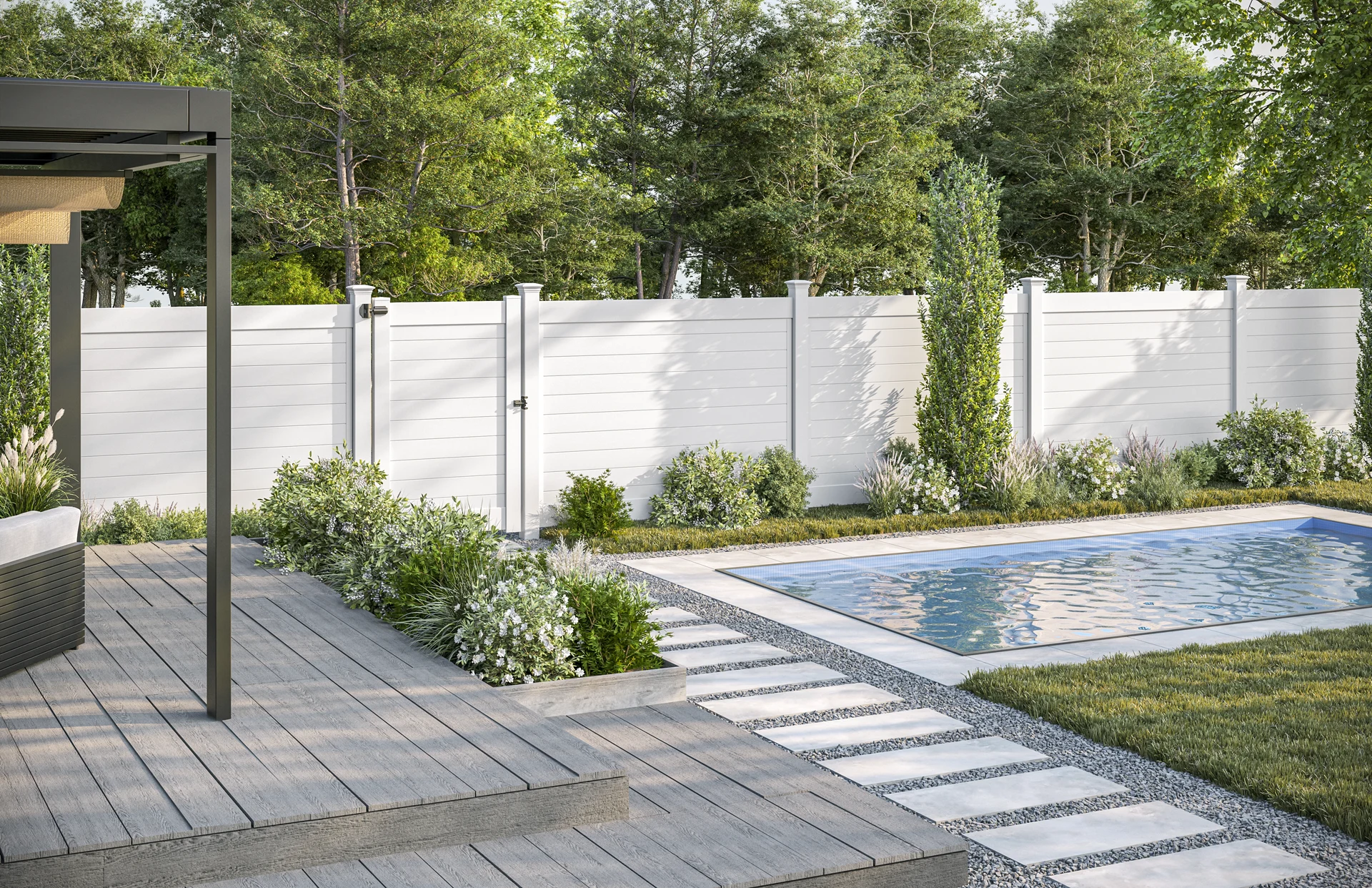
Most of Gardner is fresh subdivision — Waverly Hills, Willow Chase, Kill Creek Station — where the yards come wide open to the neighbors and the fence is the first thing on the list once the sod is down. We close that yard in for good: a private, finished perimeter that's safe for the kids and the dog the day the panels go up, with no half-measures to redo later.
2

Set it and forget it — the whole reason busy families pick it here

Vinyl has a real foothold in Gardner for one plain reason: nobody with a full house and a full calendar wants to give up a weekend to a stain brush every couple of years. A hose and a soft wash is the entire upkeep. It's the material that asks nothing of you after the crew leaves, which is exactly what a young family juggling work and school actually wants.

3

Built to take the flat-open Gardner wind

Gardner is about as flat and treeless as the metro gets — old farmland with nothing to slow a gust — and wind is the reason fences lean here. Every run we set gets posts a full yard deep and a galvanized steel spine down the rail, so a long line on an exposed lot stands straight instead of bowing. Building for the wind isn't optional in Gardner; it's the whole job.

4

Do-it-once value that fits a Gardner budget

Gardner is the affordable JoCo choice, and money matters here. Cedar is the cheaper ticket the day it goes up, but the recoats and the eventual rebuild stack up; vinyl is the one larger check and then decades of nothing. For a family planning to stay — or to move up in a few years with a fence that still looks new — the long math lands on vinyl more often than not.

LOCAL CONDITIONS · GARDNER

Flat Farmland, Open Wind & Heavy Clay — What the Gardner Ground Does to a Fence

Two conditions decide whether a Gardner fence stays standing: the flat, treeless openness that lets the wind hit a fence at full force, and the heavy KC clay under every new-build lot. Miss the post depth on an exposed Gardner lot and the fence that looked perfect at handoff is leaning by the next spring — leaning fences are the single most common problem here. Each factor gets built for by name below, because a wide-open prairie lot isn't a spec sheet borrowed from a sheltered suburb.

1

Flat, open farmland means the wind decides everything

Gardner was laid out on level former farmland, and that flatness is exactly what makes the wind such a problem — there's no hill, no tree line, nothing to break a gust before it hits your fence. A shallow-set post leans in that wind within a season or two. Every vinyl post we set here goes a full 36 inches down, below the frost line, in concrete — and Josh confirms the depth on site before any of it gets backfilled.

2

Heavy KC clay that works a post loose over the winters

Under the sod, Gardner's ground is the heavy Kansas City clay that swells when it's soaked and shrinks when it dries, and across 80-plus freeze-thaw cycles a year that push-and-pull is what walks a shallow post out of plumb. The deep footing on a widened base is what the clay holds onto instead of heaving — the reason a fence here stays true while a quick, shallow job starts to drift.

3

A reinforced rail for the long exposed run

A fence line across an open Gardner lot catches wind end to end, and a bare vinyl rail answers by shuddering until a freeze cracks it at a post. A galvanized channel rides inside the rail on every long run — under all of them, and up top at six feet — so the span holds firm when a gust hits. On a lot with nothing to block the wind, that reinforcement is what keeps the line straight for the long haul.

4

Coverage that moves on with the house

Gardner is a move-up market — a lot of families buy their first home here and trade up in a few years — so it helps that the fence's protection goes with the house. Whichever of CertainTeed, Bufftech, or Veka you pick, the panel is covered for its lifetime against fade, crack, peel, and chalk, and that coverage passes to the next buyer at closing. A fence still under warranty is one more thing working for you at resale.

THE LONG-RUN COST, NOT THE STICKER

Cedar or Vinyl on a Gardner Budget? The Fifteen-Year Picture

Cedar is the Gardner default and the cheaper ticket the day it goes up — no argument. But on a family budget, the number that matters isn't the install price; it's what the fence quietly costs you over the years you own the house. Wood wants recoating every couple of years and eventually a rebuild; vinyl takes a bigger check once and then bows out. The table sets honest dollars against a 150-foot Gardner backyard — the kind of new-build run we quote most weeks — with no glossy rounding.

Over 15 yearsCedar (wood)Vinyl
What it costs to put up (≈150 ft, 6 ft privacy)Around $4,600 for a standard dog-ear cedar run — the Gardner defaultAround $6,600, with the wind bracing already built into the rail
Upkeep spend, year 1 through 15Six or seven recoats at roughly $3,000 all told, just to keep it from graying$0 — a garden hose is the whole job
On a busy family's scheduleThe stain weekend comes due whether or not there's time between soccer and schoolNothing to plan around; it just sits there and stays sharp
Service life you actually getFifteen to twenty years, then a tear-out and a fresh startPast thirty years, coverage carrying to the next owner
The tally after fifteen yearsWell past $7,500 once the recoats are added inOnly a little above the $6,600 you spent to begin with
Who each one suitsThe owner who wants genuine wood and will keep the scheduleThe busy family that wants it done once — the reason vinyl has such a foothold in Gardner

The short version: if you want genuine wood and don't mind the sealing, cedar is the handsomer board for less up front — the Gardner wood page lays out that path. If the goal is doing it once and reclaiming the weekends, vinyl pays back its bigger sticker by dropping off your list entirely. Have us price both on the same yard and set the numbers next to each other — no pressure either way.

THE GARDNER WIND-AND-COLD QUESTION

Will the Wind and the Cold Crack Vinyl? Only the Cheap Kind

On a flat, wind-hammered Gardner lot this is the fair question to ask, and the answer splits clean: a well-built panel rides out the winter, while the bargain board is the one in every cracked-fence photo. Cold really does harden PVC, and an open lot gives the wind a free run at it — so a thin, unbraced panel really can fail. Here are the four spec choices that keep that off your yard.

The cap is what fades-proofs and freeze-proofs it

A quality panel is co-extruded — a tough, additive-rich outer cap fused onto the body — and that cap is where both the sun resistance and the cold-weather give actually live. The cut-rate single-wall boards skip it, so the same protection gets spread thin across one hollow sheet; that's the panel that chalks out and turns brittle after a couple of Kansas winters. We won't quote anything but capped.

Heft you can feel — and a kid or dog will find

Pick up a real panel and a bargain one and the difference is instant: the cheap one is light and hollow and gives under a squeeze. In a Gardner backyard full of kids and dogs, that flimsy board is the one that cracks when someone runs into it, and a hard freeze only makes it less forgiving. No label prints wall thickness, so we hand you both samples and let the weight decide it.

Steel in the rail for a wide-open Gardner lot

Gardner is flat, treeless former farmland, and the wind gets a clean, unbroken run at a fence — it's the number-one reason fences lean here. A hollow rail just shakes in a gust until a cold snap cracks it, so a galvanized channel gets set inside every long rail — the bottom on all of them, the top as well at six feet — to hold the span rigid. It's the difference between a straight fence at year ten and a wavy one at year three.

Built-in room for heat and cold

Vinyl lengthens in the July sun and draws back in a January freeze by a real, measurable amount. Bolt the rails down hard and that movement bunches into one joint and cracks it; leave the deliberate gap we set at every connection and the run just expands and contracts through the year without a mark. Small detail, and one of the quiet reasons a well-built fence outlasts a cheap one by decades.

WHAT WE INSTALL MOST

The Vinyl Builds Gardner Families Choose Most

Four vinyl builds cover most of what goes up in Gardner — each shown with a straight price, a real service life, and its actual upkeep. Which fits comes down to your budget, whether you're closing in a full backyard or just a kid-and-dog line, and how warm you want it to read from the street. Samples ride along to every estimate, so the choice happens against your own house rather than a catalog swatch.

White Privacy — 6 ft vinyl fence by RKC Wood Care Pros in Gardner, KS

White Privacy — 6 ft

The Gardner new-build default

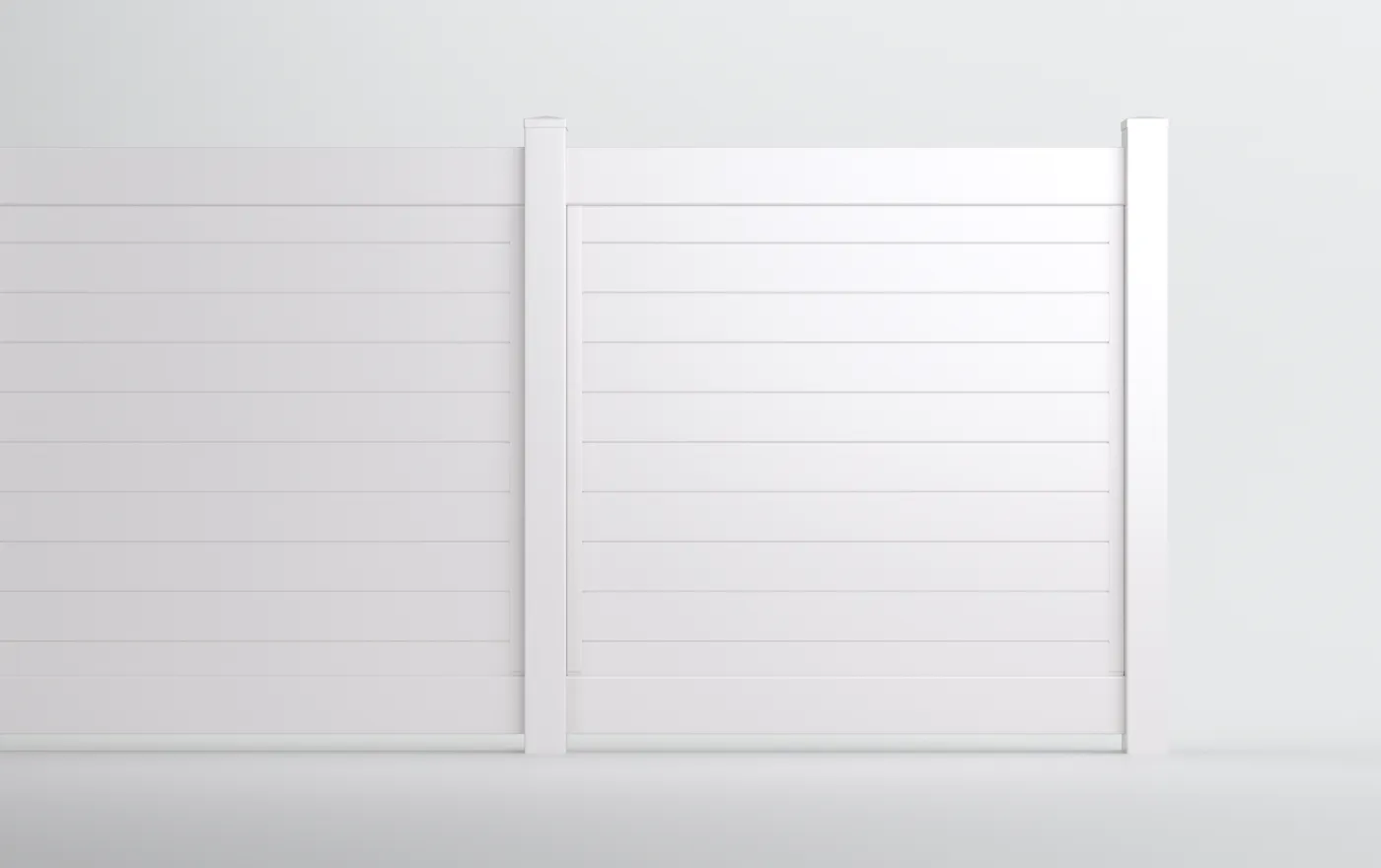
The panel that closes in a fresh subdivision backyard for good: solid interlocking boards of UV-stable white PVC on a galvanized rail and sleeved posts. It goes up fast on Gardner's flat lots, screens the neighbors from day one, and holds a bright, even white through the summers — no first-year graying, no coat ever owed.

  • Price: $40–55/LF installed
  • Lifespan: 30+ years
  • Maintenance: An annual rinse with the hose
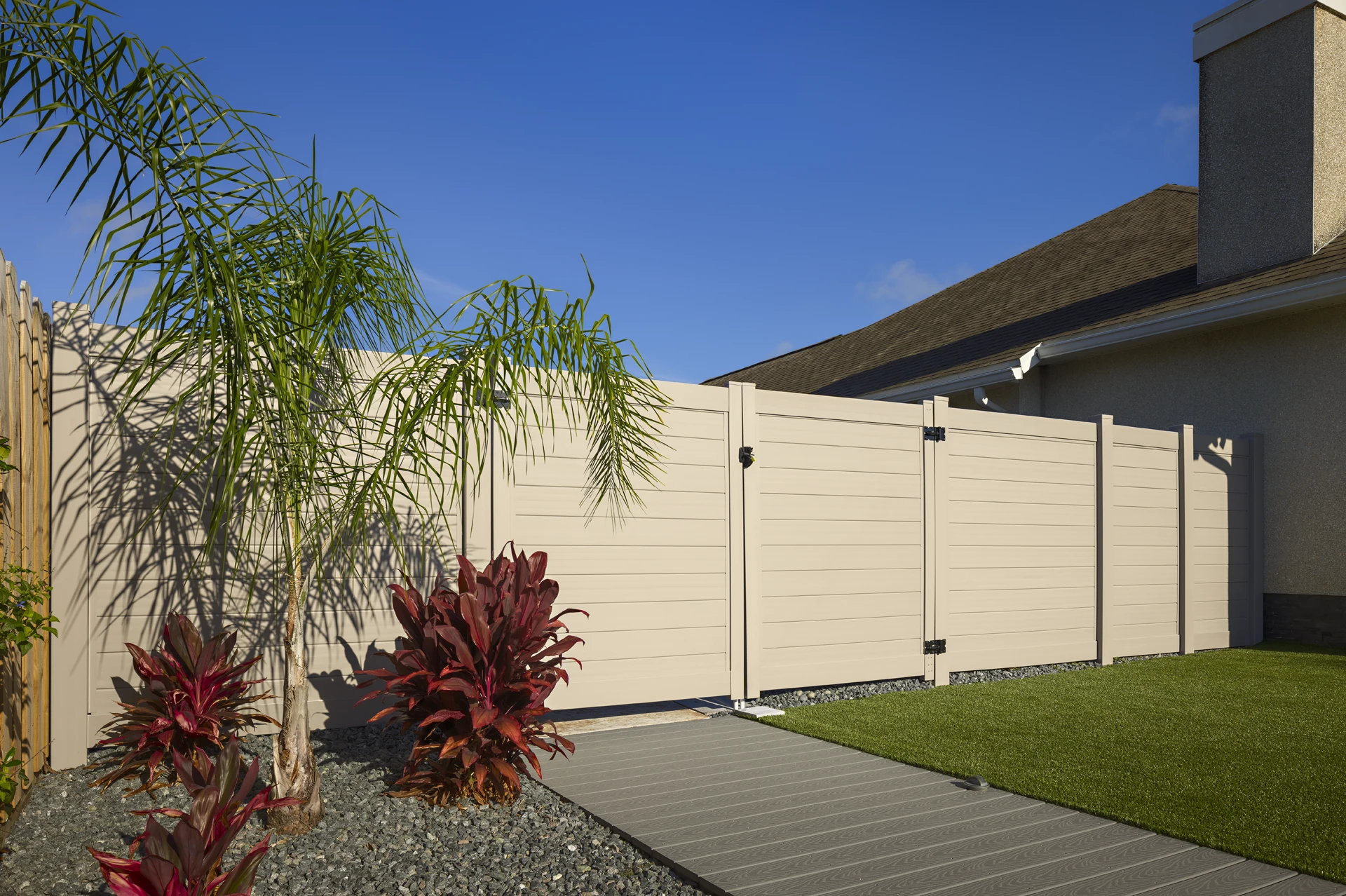
Tan / Sand Privacy — 6 ft vinyl fence by RKC Wood Care Pros in Gardner, KS

Tan / Sand Privacy — 6 ft

Warmer against the newer facades

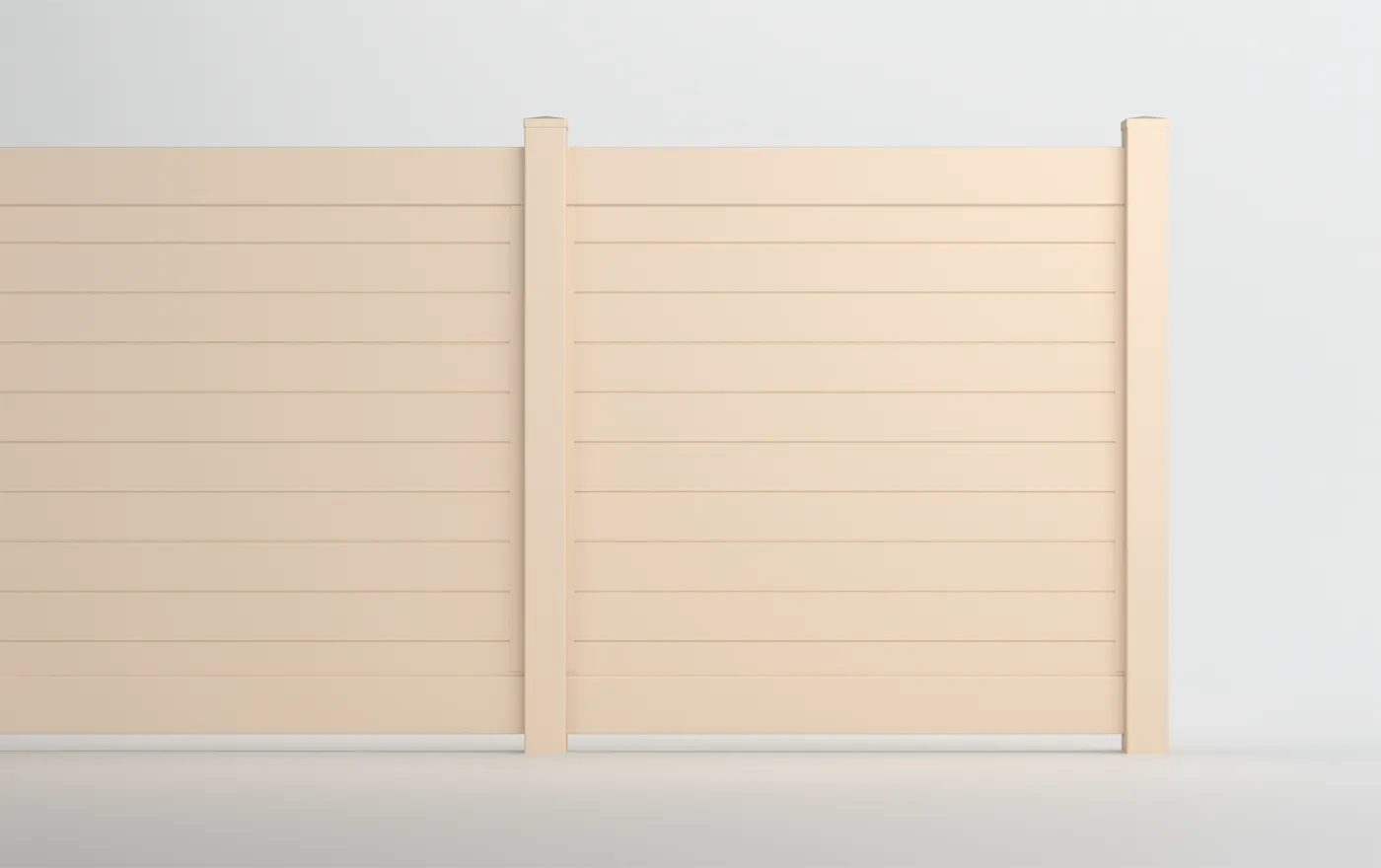
A warm sand tone that leans toward wood from the curb — a good match for the newer stone-and-siding facades going up around Stone Creek and Copper Creek where flat white can look a touch stark. Same reinforced panel, same lifetime coverage as the white; just a softer, warmer face on the street.

  • Price: $42–58/LF installed
  • Lifespan: 30+ years
  • Maintenance: A soft wash now and then
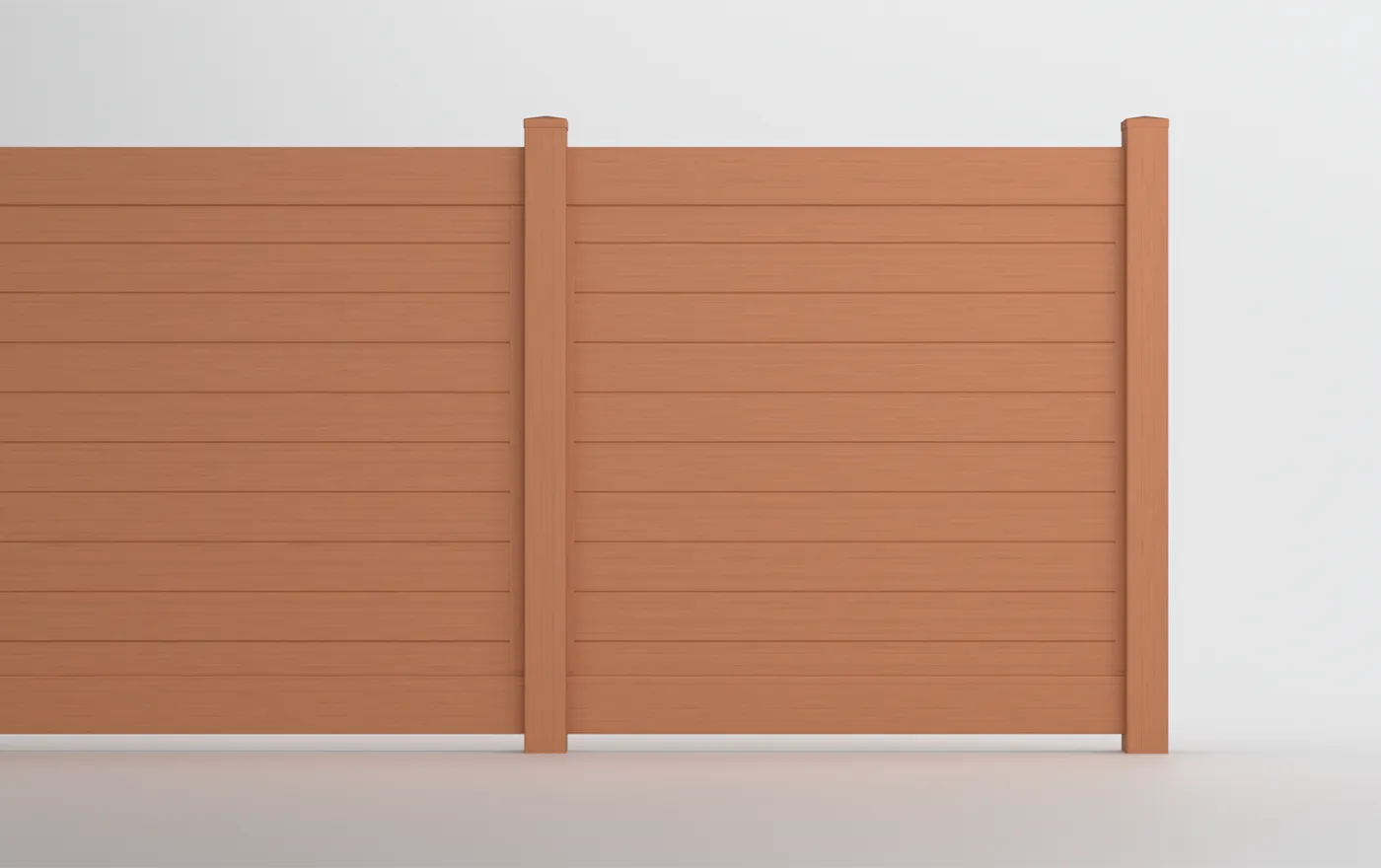
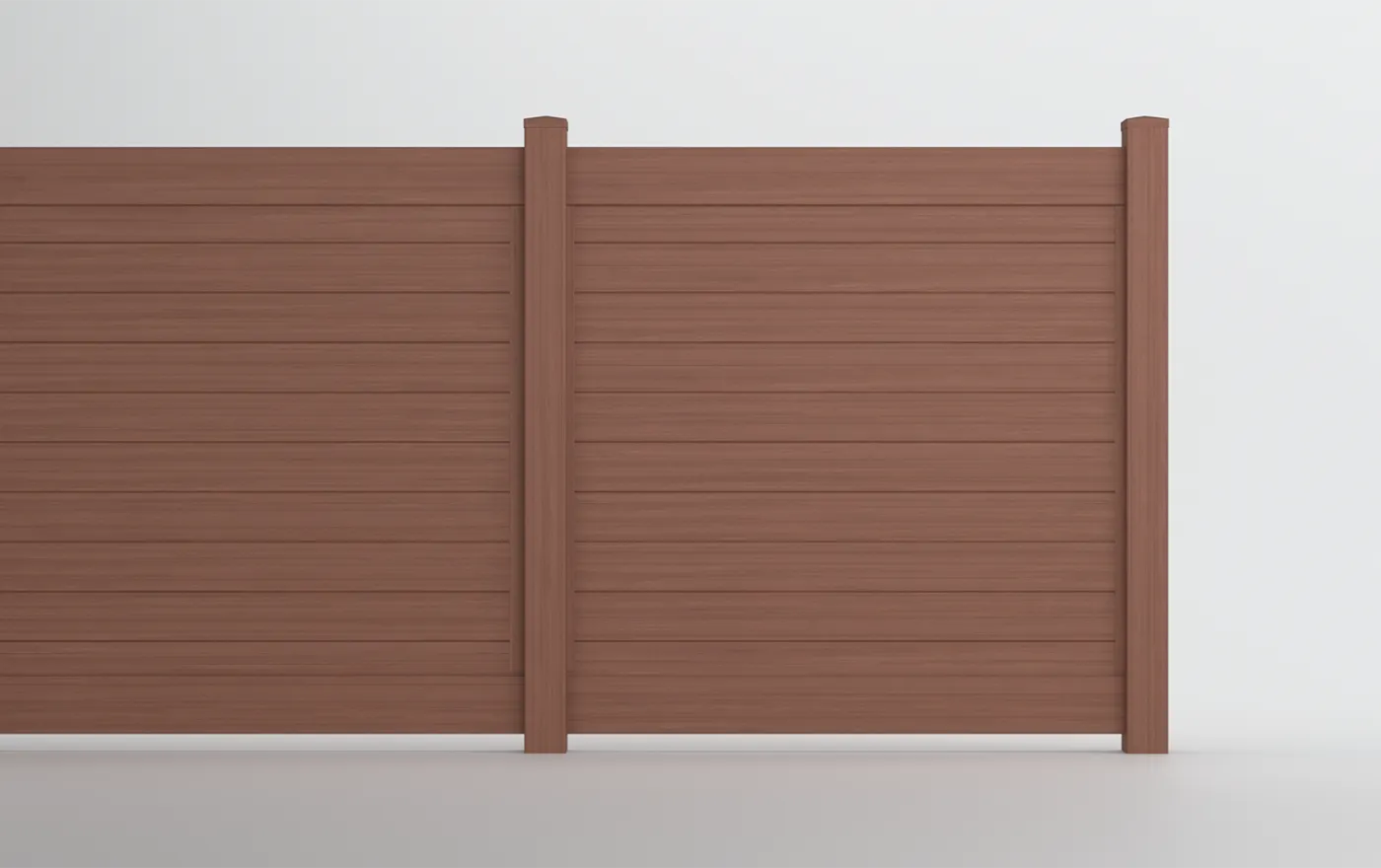
Woodgrain-Textured Privacy — 6 ft vinyl fence by RKC Wood Care Pros in Gardner, KS

Woodgrain-Textured Privacy — 6 ft

The cedar look, none of the upkeep

For the family that loved the idea of a cedar backyard but not the stain calendar, an embossed woodgrain surface carries the texture of milled boards up close. It's the closest vinyl gets to wood, and on a busy Gardner household's schedule it's the version that never once asks for a weekend back.

  • Price: $46–62/LF installed
  • Lifespan: 30+ years
  • Maintenance: Rinse when it needs it
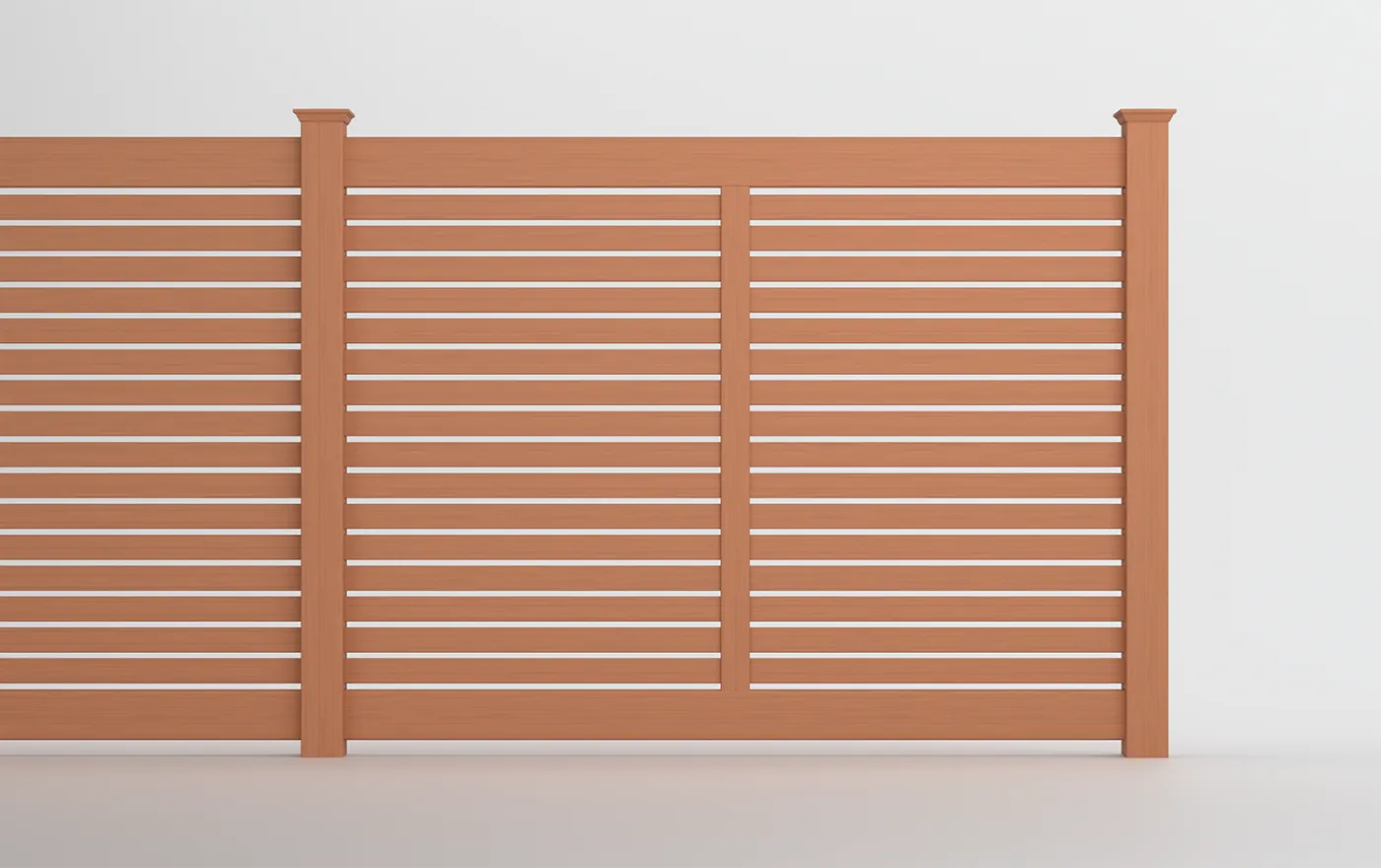
Semi-Private Picket — 4 ft vinyl fence by RKC Wood Care Pros in Gardner, KS

Semi-Private Picket — 4 ft

Kids, dogs, and airflow

A 4-foot open picket that fences a yard for the kids and the dog without walling it off — and the gaps let the flat-Gardner wind pass through instead of shoving a solid panel. A common pick for a front line or a corner lot, and it ties straight into a 6-foot privacy run on the sides where you want it closed.

  • Price: $30–45/LF installed
  • Lifespan: 30+ years
  • Maintenance: Little beyond a rinse
White vinyl privacy fence pricing — Gardner, KS — RKC Wood Care Pros

GARDNER VINYL FENCE PRICING

What to Budget for a Gardner Fence

Vinyl lands between $30 and $62 a foot in Gardner, set by the profile you pick and how the run is configured — and because the lots here are flat and regular, there's rarely a grade charge to add. The three below are the builds we bid most often around town. A standard Gardner backyard works out to roughly 150 feet of fence. Old-fence removal, gates, and a step up in profile each carry their own line. The whole quote comes to you on paper, itemized, before the crew shows up — no verbal guess, no surprise partway through.

White Privacy — 6 ft

$40–55

per linear foot installed

Our most-quoted Gardner build — the standard new-subdivision privacy run, galvanized steel spine in the rail.

Tan / Woodgrain Privacy — 6 ft

$42–62

per linear foot installed

A warm sand tone or an embossed woodgrain for the family that wants the cedar look off the maintenance calendar.

Semi-Private Picket — 4 ft

$30–45

per linear foot installed

A kid-and-dog line for a front yard or corner lot; ties into 6-foot privacy on the sides.

An old fence to haul off, a gate or two, a step up in profile — each shows on its own line of a Gardner estimate, nothing buried — call (913) 286-1091 or book an on-site walkthrough.

OUR PROCESS

A Gardner Vinyl Install, Start to Finish

Four stages carry a Gardner project from the first call to a finished fence — and on the flat new-build lots the crew moves fast, with a typical backyard done in one to three days on site. The part that decides the next thirty years is underground — depth, concrete, steel — so it's the part we won't rush, wind-exposed lot or not.

1

The estimate visit — a quick read on a flat, open lot

Gardner lots are mostly new-build and level, which makes this the easy part — we measure the run, mark where the utilities sit, and confirm the line against your stakes. Because the ground is flat farmland, there's rarely a grade to plan around, so the quote comes back clean and itemized: footage, gate count, the brand and profile you chose, and the underground concrete and steel.

2

Locate call, color and profile, and a date before school starts

First we call in the 811 utility locate. Then you settle the color and style — bright white, a warm sand, or an embossed woodgrain — and we place the panel order. A lot of Gardner families want the yard fenced and settled before the school year, especially with a new move behind them, so we set the install to your calendar and get it on the board.

3

Augering the footings and standing the panels

On the flat lots here the crew moves efficiently — typically one to three days on a Gardner backyard. The auger sinks a full 36 inches into the clay, concrete goes around each sleeved post with a widened base, and once it firms up — a day or so, longer if it's cold or wet — the panels go on. Level ground means fewer step-downs and a fast, clean run of fence.

4

The walkthrough and your warranty paperwork

We finish by walking the line with you and swinging each gate to be sure it latches square. The CertainTeed, Bufftech, or Veka coverage gets filed in your name and the paperwork is yours to keep — nothing to recoat on a calendar again. If a post or panel moves in that first year, the same crew that built it is back to set it right, no runaround.

VINYL WE'VE RAISED · KC METRO

Vinyl fence installation by RKC Wood Care Pros, Kansas City metro
Vinyl install · KC metro
Vinyl fence installation by RKC Wood Care Pros, Kansas City metro
Vinyl install · KC metro
Vinyl fence installation by RKC Wood Care Pros, Kansas City metro
Vinyl install · KC metro
Vinyl fence installation by RKC Wood Care Pros, Kansas City metro
Vinyl install · KC metro

REVIEWS

What Kansas City Homeowners Say About RKC

4.9 ★ · 85 Google reviews

Every review is on our Google Business Profile — read them there, unedited.

Read all 85 reviews on Google

GARDNER VINYL FENCE INSTALLATION QUESTIONS

What Gardner Homeowners Want to Know

The questions that come up on a Gardner estimate — sorted by subject, each answer tied to local prices, the flat wind-swept lots, and the way families here actually use a backyard. Don't see yours? Call (913) 286-1091 and ask.

Vinyl fence installation in Gardner, KS by RKC Wood Care Pros

Vinyl Materials & Lifespan

How long does a vinyl fence last in Gardner?
Thirty years is the floor. What buys that is a capped, UV-rated panel, a galvanized channel stiffening the rail, and posts driven a full 36 inches into concrete — which on Gardner's wind-swept flat lots is the piece that matters most. CertainTeed, Bufftech, and Veka all cover the panel against fade, crack, peel, and chalk, and the coverage passes to the next owner if you sell. Depth is what makes or breaks it: get it right and the fence stands for decades; go shallow on an open lot and the wind and freeze-thaw lean it within a couple of seasons. And there's no wood at the ground to rot, the way the cedar it replaces does.
Why do so many Gardner families end up choosing vinyl?
Because it fits how people here actually live. Gardner runs young and busy — new families, a lot of them settling in after a move — and vinyl is the fence that asks for nothing once it's up. No two-year stain weekend, no graying, no rot, just a hose-down when it's dusty. On a flat, wind-hammered lot it also holds up better than a quick cedar job when the posts are set deep and the rail is braced. Between the low upkeep and the do-it-once value, it's earned a real foothold in the newer subdivisions here.
Cedar or vinyl for a new-build family on a budget?
Both are honest choices and it comes down to time and horizon. Cedar is the cheaper ticket up front and the warmer board, but it commits you to recoating every couple of years and a rebuild down the line. Vinyl is a bigger check once, then decades of quiet — which is why the math tends to favor it for a family planning to stay, or to move up with a fence that still looks new. We're glad to write both quotes side by side so you can weigh them against your own yard and budget.
Will Gardner's wind or a hard winter crack a vinyl panel?
Not a well-built one. The brands we hang bake UV inhibitors right into the outer cap so the summer sun doesn't fade it, and the cracking people worry about is really a thin, unbraced panel flexing loose at the post until a cold snap finishes it off. Gardner's open lots make that flex worse, which is the whole reason a galvanized channel goes into every long rail we set. It's the flimsy, hollow warehouse panels that split in the cold — we don't carry them, period.

Pricing & Warranty

What does a vinyl fence cost in Gardner?
Figure $40–$55 a foot for 6-foot white privacy with the steel spine built in, which puts a standard 150-foot Gardner backyard somewhere around $6,000 to $8,500. A warm sand or embossed woodgrain runs a bit higher at $42–$62, and a 4-foot kid-and-dog picket lands lower at $30–$45. Because the lots here are flat and regular, there's rarely a grade charge — one of the reasons a Gardner install prices out cleanly. Old-fence removal, gates, and profile upgrades show on their own lines, and every estimate is free and written before we set a post.
Is the warranty real, and does it transfer if we move up?
Both — and the transfer matters in a move-up market like Gardner's. CertainTeed, Bufftech, and Veka each back their panels for life against fading, cracking, peeling, and chalking, and each rolls into prorated coverage for the next owner when the house sells. We register it in your name the day we finish and hand you the paperwork. If you trade up in a few years, the fence goes to the next family still covered — a small point in your favor at closing. A maker that won't put that in writing doesn't get installed here.
How does vinyl handle the open Gardner wind and hail?
The wind is handled at install: posts a full yard deep and a galvanized steel spine in every long rail, sized to the panel height, so an exposed run doesn't flex or lean. On hail, most of the profiles we hang are impact-rated to class 4 — the same grade that earns a roof an insurance break — so a spring storm that would pockmark cheap PVC tends to shrug off the panels we install. On a flat, weather-exposed Gardner lot, building for both is just part of doing the job right.

OTHER GARDNER FENCE OPTIONS

All Your Gardner Fence Options

Vinyl isn't the only option — RKC installs and repairs every type of fence in Gardner: wood, vinyl, chain link, ornamental iron, aluminum, and commercial security, plus gates and in-house staining. Each card here opens a dedicated Gardner page — local pricing, the ground it's built on, and photos from around your city.

Ready when you are

Get a free estimate — we usually respond the same day.

Call (913) 286-1091