Skip to content
Chain Link Fence Installation in Grain Valley, MO — Central-Town Dog Lines, Ranch Rail & Deep-Set Posts

Chain Link Fence Installation in Grain Valley, MO — Central-Town Dog Lines, Ranch Rail & Deep-Set Posts

Chain link has always been the working fence of central Grain Valley and the farm edge east of town — an affordable way to close a yard for the kids and the dog for roughly half what cedar costs per foot. The new western subdivisions lean cedar, and we're straight about that — but in the established heart of town chain link has been the practical fence for decades, and out east toward the farmland it's split rail and wire on the bigger lots. Grain Valley sits on the open edge of the metro, so its number-one fence complaint is the shallow-set run that leans within three years as the prairie wind works it. The fix is depth, not fancier wire: we set every post a full 36 inches down so the line stays plumb where the cheap installs tip. Want the farm-edge look that still holds a dog? We back ranch rail with welded wire. RKC installs and repairs every type of fence — wood, vinyl, chain link, ornamental iron, aluminum, and commercial security — plus gates and in-house staining. Built for Every Storm. 400+ fences installed since 2021.

★★★★★
4.9
from 85 reviews
Licensed
& Insured · KS + MO
400+
fences installed
A+ BBB Rated 400+ Fences Installed Since 2021 Kansas City Fence Contractor Free On-Site Estimates
Browse chain link options ↓

WHERE CHAIN LINK BELONGS IN GRAIN VALLEY

The Working Fence for the Old Core and the Farm Edge

1

The working fence central Grain Valley already runs

Drive the older blocks off Main Street and along the Sni-A-Bar corridor and chain link is everywhere — it's been the practical fence of central Grain Valley for decades. When a run there finally gives out, replacing it in kind keeps the cost down and matches the neighborhood, and a fresh 9-gauge line does the same job the old one did for half what a solid fence runs. The new western subdivisions lean cedar, and we're straight about that — but in the town's established heart, chain link is still the honest, affordable choice.
2

An affordable dog line for a first-time-owner budget

Grain Valley draws a lot of first-time buyers who want their kids and dog secured without spending what a full cedar perimeter costs. Chain link closes the yard for a fraction of the price per foot, goes up fast once the sod's down, and holds for decades. It's the sensible boundary for a family stretching a new-mortgage budget: put the money into a fence that just contains, and save the cedar upgrade for when the yard's ready for a showpiece. We build the value fence to the same depth standard as the premium one.

3

The farm-edge look on the rural east side of town

East of the subdivisions, where Grain Valley trails back into farmland, split rail and wire has always been the fence. Owners on those bigger transitional lots often want that agricultural look kept — the trouble is an open rail fence leaves gaps a dog threads right between. Our fix is to line the rails with welded wire mesh: the two- or three-rail frame keeps the farm silhouette the acreage calls for, and the mesh behind it closes every gap into a barrier that holds. It's the honest middle ground for the town's rural edge — farm character up front, real containment behind it.

4

Set 36 inches deep so it doesn't lean in three years

Grain Valley's most common fence complaint is a run that leans, and it turns up fast — a shallow-set fence on this exposed metro edge often starts tipping inside three years as the prairie wind keeps working at it. The cure isn't fancier wire; it's depth. Each post is bedded a full 36 inches in concrete, past the frost line, deep enough that the standard KC clay and the prairie wind can't lever it over. RKC holds an affordable Grain Valley fence to the identical footing spec as a premium install — the Kansas City fence contractor whose 'Built for Every Storm' is a spec, not a slogan.

THE LEAN, THE THREE GRAIN VALLEYS & THE FINISH

What Grain Valley's Open Edge Means for Your Chain Link

1

The three-year lean is a depth problem, not a wire problem

Ask around Grain Valley and you'll hear the same story — a fence that started leaning a couple of winters after it went up. Sitting on the open edge of the metro, the town catches the full prairie wind, and a post that didn't go deep enough gradually loosens its bite in the clay and drags the whole line over. The fabric is rarely what gives. We drive every post a full 36 inches down, deep enough that the bulk of it sits beneath the moving ground and out of reach of the wind's leverage — the whole difference between a run still plumb at year ten and one tipping by year three.

2

Older core, newer subs, and the farm edge — three different runs

Grain Valley isn't one kind of fence town. In the established center it's the working chain link that's always been there; in the new western subdivisions closer to Blue Springs it's cedar, and we don't pretend otherwise; out east toward the farmland it's split rail and wire on bigger lots. We read which Grain Valley your lot sits in before we quote — a central-block dog line, a back run behind a new subdivision home, and a rural-edge ranch fence are three different builds, and matching the fence to the neighborhood is half of getting it right.

3

Galvanized in the core, black-coated by the new build

Plain galvanized is the everyday choice — the cheapest per foot, and the right call for a central-town replacement, a back line, or a dog run nobody's grading on looks. Add a black PVC jacket for $3 to $6 more a foot and it pays off where the run faces a street or shares a lot line with a newer subdivision home: the dark wire recedes into the yard instead of flashing bright silver, and the coating shrugs off the moisture that pits raw steel at ground level. Slats can go in later to screen a run. Underneath, it's the identical wire on the identical deep-set posts — the jacket is a finish, not a different fence.

WHICH FINISH FOR A GRAIN VALLEY LOT

Galvanized or Black-Coated on a Grain Valley Run?

The steel and the footings are identical between them — the coating is the whole call, and in a town with an old core, new subs, and a farm edge it comes down to which Grain Valley the run sits in. Galvanized keeps the cost down on a central-town or working line; a black jacket earns its keep beside a new subdivision home and seals the wire against moisture. Both ride the same 36-inch posts. Here's each against the Grain Valley runs it suits.

On a Grain Valley lotGalvanizedBlack Vinyl-Coated
A 200-ft galvanized dog line, hung$2,400–3,600 — the floor for closing a yard$3,000–4,400 with the $3–6 jacket added; slat-ready
Where it fits in Grain ValleyCentral-town lines, back runs, dog runsBy a new subdivision home or facing a street
How it holds up out here20–30 years; rust starts at the base where water pools25–35 years; the jacket locks moisture off the steel
How it reads on the lotPlain silver — a frank, utilitarian lookA slim dark line that fades into a hedge or trees
Pick it whenThe run works hard and the budget leadsIt fronts a fresh build or a sightline

Short version: galvanized on the central-town and working lines, black where the run sits by a new build, ranch rail where you want the farm-edge look to still contain. If a solid cedar or vinyl screen is the goal — the new-subdivision standard — price it on the metro privacy fencing page. Either way it comes back on one written estimate with the numbers laid out to compare.

HOLDING A YARD ON A WINDY METRO EDGE

Containing a Grain Valley Yard the Wind Can't Beat

Grain Valley chain link mostly closes a yard for a dog and the kids — and doing that on an open edge where shallow fences lean is where the install has to be right. Four things decide whether the run truly holds, and the gauge of the wire is only where the list starts.

Depth first, so it isn't a leaning fence by year three

Containment in Grain Valley begins with a post that won't tip, because the town's signature fence failure is the shallow-set run that goes crooked within a few winters on this exposed metro edge. We drive every post a full 36 inches down — under the frost line, clear of the wind's leverage — so the line holds plumb where the cheaper installs around town lean. A tipped fence opens a gap along the bottom a dog finds fast; a deep, plumb one just doesn't. Every other part of containment rides on getting that footing right first.

Height and gauge sized to the animal

Once the posts are deep, containment is height and gauge. Nine-gauge is the residential wire for anything that leans and digs; the light 11-gauge is a garden pick, not a dog fence. Four feet holds most breeds, five or six for a jumper, and a bottom tension wire pins the fabric to grade so nothing worms under along a long Grain Valley run. We size the fence to the animal you're actually keeping in, not to a one-size sheet — the point is the dog stays in the yard, and that starts with the right wire at the right height.

The farm-edge fence that still holds

Out on the rural east side, an open split-rail fence suits the acreage but leaves gaps a dog slips straight through. Lining the two- or three-rail frame with welded wire keeps the farm-edge look the transitional lots want while closing those gaps into a real barrier. It lands between a bare wire run and a solid wall — the honest choice for the town's edge — and with the posts down a full 36 inches against the clay and the open wind, both the rails and the mesh stay true.

A bottom line pinned tight against a digger

A determined dog doesn't climb a chain-link fence — it digs, and it looks for the low spot first. On a Grain Valley lot that rolls a little, a run built straight down the grade leaves gaps at the high points where a digger gets started. We step the fabric to the grade and string a bottom tension wire that pins it hard to the ground the whole way, and for a serious digger we can bury the bottom or run a concrete mow strip. Depth keeps the fence standing; a tight bottom keeps the dog from going under it.

THE RUNS WE PUT UP

Chain-Link Builds for a Grain Valley Property

9-Gauge Galvanized Residential by RKC Wood Care Pros in Grain Valley, MO

9-Gauge Galvanized Residential

The central-Grain-Valley dog line and replacement

Four- or six-foot galvanized fabric on braced corners — the low-cost way to close a yard in central Grain Valley or swap a tired old run for a fresh one. The ends and corners carry the pull, the selvage is knuckled smooth top and bottom, and a bottom tension wire tacks the fabric to grade so nothing burrows beneath it. It's quick to stand once the sod's in, and with each post bedded a full 36 inches in the clay it holds plumb where the shallow-set fences around town have started to tip. Two decades and more of eastern-Jackson-County weather won't faze it, at a sliver of what cedar runs per foot.

  • Price: $12–18/LF installed
  • Lifespan: 20–30 years
  • Maintenance: Occasional tension-wire retightening
Black Vinyl-Coated 9-Gauge by RKC Wood Care Pros in Grain Valley, MO

Black Vinyl-Coated 9-Gauge

Where the run sits by a new subdivision home

A 9-gauge core wrapped in a bonded black PVC jacket — the choice for a run that faces the street or sits along a newer Grain Valley subdivision home. The dark wire settles quietly into the yard where raw silver would announce itself, and the jacket keeps ground moisture off the steel. Want a run screened for privacy? Slats thread in later. Brown and green run the same price; on a lot where the fence shares a view with a fresh build, black is what most owners choose. The posts below it are set just as deep as on any galvanized run.

  • Price: $15–22/LF installed
  • Lifespan: 25–35 years
  • Maintenance: Soap-and-water rinse
White Ranch Rail with Welded Wire by RKC Wood Care Pros in Grain Valley, MO

White Ranch Rail with Welded Wire

The farm-edge look east of town

On the bigger transitional lots along the rural east side, where the farmland has always worn split rail and wire, we build a two- or three-rail line and thread welded wire mesh behind the rails. The silhouette stays agricultural; the mesh makes it tight enough that a dog can't work between the rails. It's the edge-of-town fence brought up to a genuine containment standard — and with each post bedded a full 36 inches down against the clay and the open wind, the rails hold dead-level through the seasons.

  • Price: $16–26/LF installed
  • Lifespan: 20–30 years
  • Maintenance: Occasional rail check; wire retension
6-Gauge Commercial by RKC Wood Care Pros in Grain Valley, MO

6-Gauge Commercial

The I-70 logistics and light-industrial growth

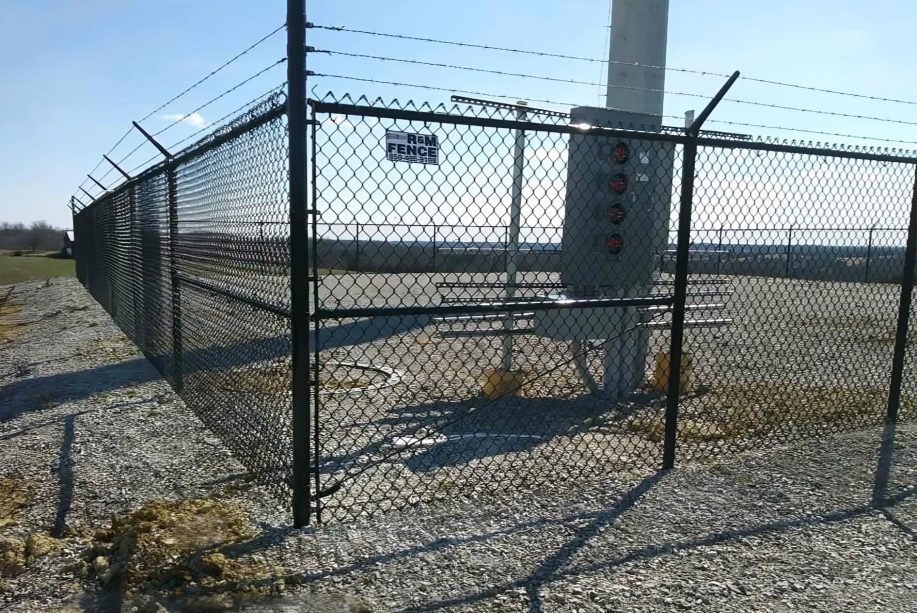
Thicker mesh on heavier posts, truss-braced, with a barbed top where a site needs a climb deterrent — the spec for the logistics and light-industrial development spreading along the I-70 corridor as Grain Valley grows. We fence a yard, secure a lot, and hang rolling or swing gates sized for truck traffic. As the freight and warehouse growth fills in along the interstate, this is the commercial-grade fence going up with it, on the same deep-set posts as every residential run we build in Grain Valley.

  • Price: $18–30/LF installed
  • Lifespan: 30+ years
  • Maintenance: Annual visual inspection
9-gauge galvanized chain link fence cost comparison — Grain Valley, MO — RKC Wood Care Pros

GRAIN VALLEY CHAIN LINK FENCE PRICING

What Chain Link Fence Installation Costs in Grain Valley

9-Gauge Galvanized — 4–6 ft

$12–18

per linear foot installed

The central-town dog line and in-kind replacement.

White Ranch Rail + Welded Wire

$18–26

per linear foot installed

The rural-east farm look that still contains a dog.

6-Gauge Commercial — 6–8 ft

$22–30

per linear foot installed

I-70 logistics and light-industrial duty; gates optional.

Ranch-rail upgrades, wide gates, coating, and old-fence removal are each itemized on every Grain Valley estimate — call (913) 286-1091 or request an on-site walkthrough.

OUR PROCESS

How a Chain Link Fence Install in Grain Valley Actually Happens

1

Walk the lot — footage, gauge, gates, and which Grain Valley it's in

We walk the boundary, measure the footage, and fit the wire to the work — a central-block dog line, a new-subdivision back run, and a rural-east ranch fence are three separate builds. We size up how open the lot is to the prairie wind and where the gates land, since on Grain Valley's edge it's the shallow post that leans. Coating, each gate's width and swing, the ranch-rail option, and where the fabric has to step on a rolling lot all get written into a line-by-line quote before a signature — nothing guessed over the phone.

2

Call the locate, string the line, flag the load posts

The auger stays parked until the free 811 locate clears the lot. Then we pull the boundary line tight and mark every load-bearing post — corners, ends, and gate jambs, the ones that shoulder the most on an exposed lot. A bigger rural-east perimeter needs a careful layout pass so a long run comes out straight, and on a gently rolling subdivision lot we map where the fabric will step to grade. Getting those load posts placed right is what lets us beef them up exactly where the wind and clay pull hardest.

3

Sink the posts deep, cure the concrete, draw the mesh tight

Every line post is bedded a full 36 inches in wet-poured concrete under the frost line — deep enough that the prairie wind can't lever it and the run doesn't join the leaning ones around town. Corners and gate posts step up a gauge, belled and braced. We let the footings cure a day or two, longer when it's cold, then draw the fabric taut with come-alongs, tie it off at every post, step it wherever the lot rolls, and run tension wire along the top and bottom so the base stays pinned to the ground end to end.

4

Hang the gates, re-tension, and walk it together

Gates hang last — walk gates, drive gates, and the wide openings a rural-east lot calls for, all on deep posts with hardware we can dial back to square, which counts where the wind works a gate hard. We run one final tension pass over the whole line, cycle every latch and swing, and walk the finished fence with you before any invoice goes out. There's a reason late summer, past the storm season, is our busiest repair stretch — we build deep the first time so a Grain Valley fence stays out of that queue. Posts and structural hardware carry our workmanship warranty on every job here.

RECENT GRAIN VALLEY INSTALLS

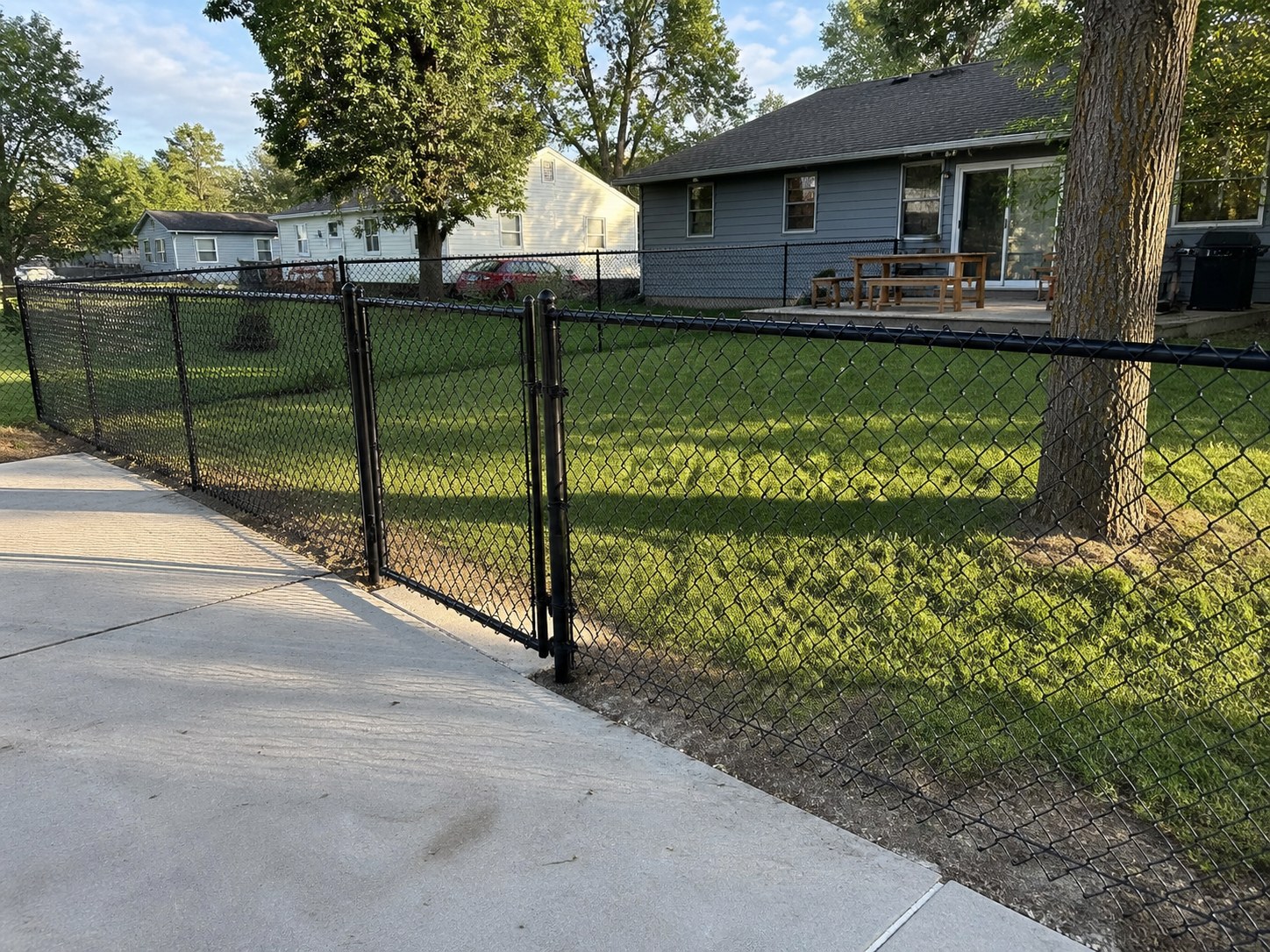
Galvanized chain link dog line in central Grain Valley, MO — RKC Wood Care Pros
Chain Link Fence · Grain Valley
Black vinyl-coated chain link run beside a new subdivision home in Grain Valley, MO — RKC Wood Care Pros
Chain Link Fence · Grain Valley
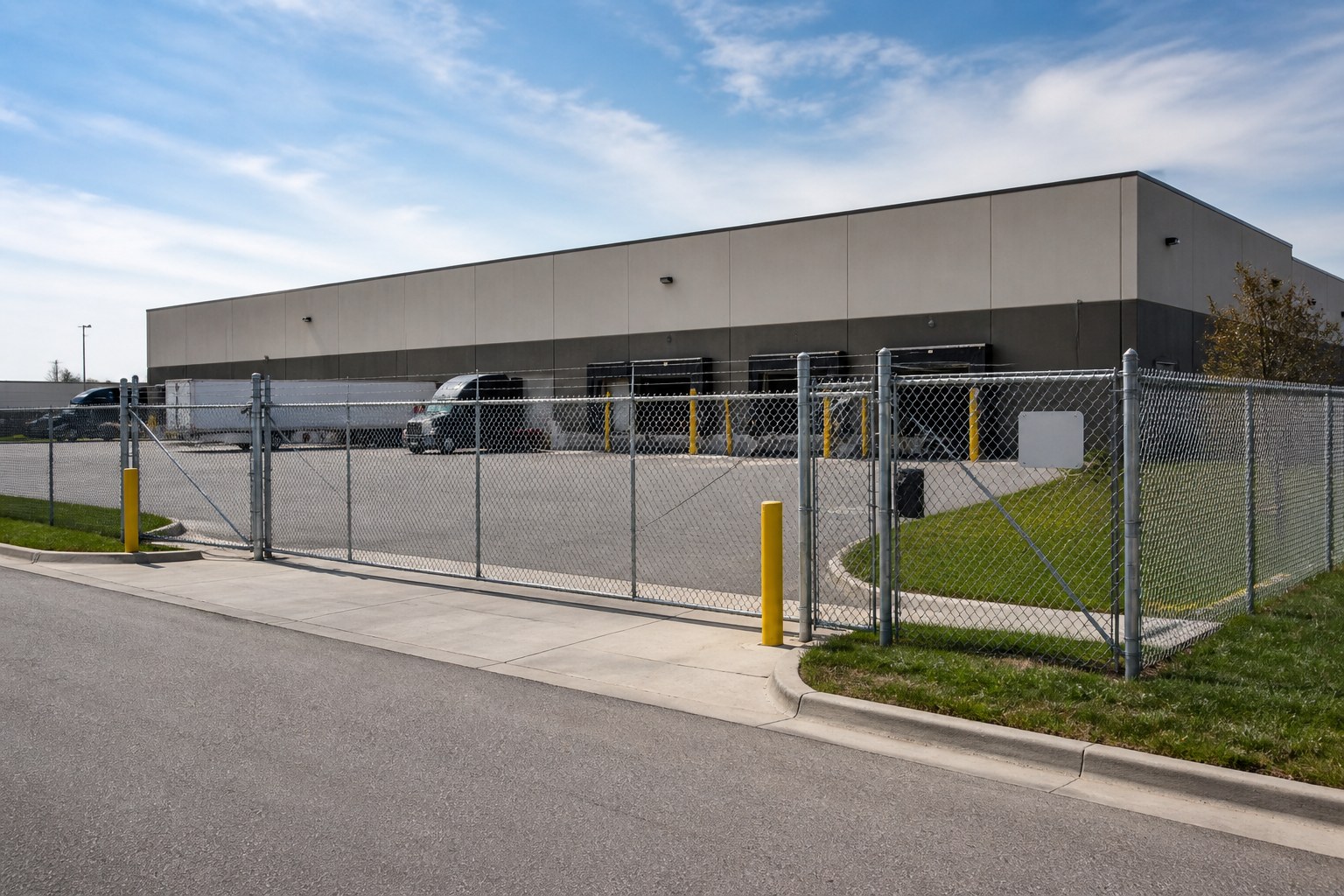
6-gauge commercial chain link along the I-70 corridor in Grain Valley, MO — RKC Wood Care Pros
Chain Link Fence · Grain Valley
Ranch rail with welded wire on a rural east-side Grain Valley lot — RKC Wood Care Pros
Chain Link Fence · Grain Valley

REVIEWS

What Kansas City Homeowners Say About RKC

4.9 ★ · 85 Google reviews

Every review is on our Google Business Profile — read them there, unedited.

Read all 85 reviews on Google

GRAIN VALLEY CHAIN LINK FENCE QUESTIONS

Chain Link Fence Installation Questions Grain Valley Homeowners Ask Most

Galvanized chain link dog line — Grain Valley, MO installation FAQ — RKC Wood Care Pros

Gauge & Containment

What gauge chain link should a Grain Valley property use?
For a house or a rural-edge lot, 9-gauge — galvanized or coated — is the residential wire, tough enough for a dog and the open prairie wind without flexing over a long run. 11-gauge is thinner and cheaper, fine for a garden ring but not an animal that leans and digs across a bigger lot. 6-gauge is commercial weight, the spec for the I-70 logistics sites, not a backyard. In central Grain Valley and out on the east-side acreage, 9-gauge galvanized is the workhorse that fences real ground affordably. We match the gauge to the job, not the price sheet.
Everyone's fence leans out here — how do you keep mine from tipping?
In Grain Valley the leaning fence tops the complaint list, and it usually turns up within three years. The culprit is a post set too shallow on an exposed metro edge that catches the full prairie wind — over a couple of winters it loses its bite in the clay and drags the whole line over. The answer is depth, not heavier wire: we drive every post a full 36 inches down, under the frost line and clear of where the wind gets leverage, and upsize the braced corner and gate posts. That's what separates a fence still plumb at year ten from one tipping at year three.
Can I keep the farm look on my east-side lot and still contain a dog?
Yes — the ranch-rail-with-wire build is made for exactly that. The rural east side has run split rail and wire for generations, but an open rail fence leaves gaps a dog threads right through. Threading welded wire mesh behind a two- or three-rail frame keeps the agricultural profile the acreage calls for and turns it into a barrier that genuinely holds the animal. The posts drive a full 36 inches down against the clay and the wind, so the rails hold their line. It's the country look with real containment engineered in.

Pricing & Lifespan

What does chain link fence installation cost in Grain Valley?
Installed here, residential 9-gauge galvanized runs $12 to $18 a foot; coated 9-gauge, $15 to $22; ranch-rail-with-wire, $18 to $26; commercial 6-gauge, $22 to $30. A 200-foot galvanized dog line in 4-foot fabric lands around $2,400 to $3,600 — spread across a couple of decades, the cheapest way to lock down a Grain Valley yard for the kids and the dog. Gates, ranch-rail upgrades, coating, and old-fence removal each land on their own line. Every Grain Valley estimate is free, itemized, and put in writing.
How long does chain link last in Grain Valley, and what fails first?
Galvanized 9-gauge lasts 20 to 30 years here, coated 25 to 35, commercial 6-gauge 30-plus. An early failure is almost never the fabric — it's a post that tipped in the prairie wind because it went in too shallow, or a wide gate sagging out of square on an undersized post. Both come back to the set. As long as the line's true we'd rather re-tension, re-hang, and reset the one post the wind loosened than pull a whole run — fix the footing and you keep the fence. That's most of what our late-summer repair calls turn out to be.
Isn't cedar the standard fence in Grain Valley now?
In the new western subdivisions, absolutely — 6-foot cedar privacy rules that market, and we build a great deal of it. No argument there; chain link isn't the fence that fronts a fresh Grain Valley development. But in the town's established center it's been the working fence for decades, out east the acreage runs split rail and wire, and for an affordable dog line anywhere in town it closes the ground for a sliver of cedar's cost. Different jobs, different tool. When the solid look is what you're after, the Grain Valley wood and privacy pages have the cedar numbers.

OTHER GRAIN VALLEY FENCE OPTIONS

Considering Other Materials or Services for Your Grain Valley Fence?

Ready when you are

Get a free estimate — we usually respond the same day.

Call (913) 286-1091